Spain
Updated October 16, 2026
Spain is the second most visited country on Earth, welcoming a record 96.8 million international tourists in 2025. People come for 8,000 km of coastline, Moorish palaces, late-night tapas and a calendar of fiestas that rarely pauses. The country stretches from the green Atlantic cliffs of Galicia to…


Must-See Places in Spain

Toledo
Toledo, 70 km south of Madrid and 33 minutes away by AVE train, packs Christian, Jewish and Muslim monuments onto one rocky hill wrapped by the Tagus River. Its whole old town became a UNESCO World Heritage Site in 1986 and holds El Greco's The Burial of the Count of Orgaz. Ideal for history lovers and day-trippers from Madrid.

Picos de Europa National Park
Spain's first national park, created in 1918, protects limestone peaks that rise to 2,648 m only 20 km from the Atlantic coast. Hikers walk the Cares Gorge trail, 12 km cut into vertical cliffs, and finish with Cabrales blue cheese in mountain villages. Ideal for adventurers and families who like walking.

Santiago de Compostela
Santiago de Compostela is the goal of the Camino de Santiago, and nearly 500,000 pilgrims received their Compostela certificate here in 2024. The Romanesque cathedral, finished in 1211, swings a 53 kg incense burner, the Botafumeiro, across the transept on special occasions. Ideal for solo travellers and anyone ending a walking pilgrimage.

Ronda
Ronda sits on a cliff split by the El Tajo gorge, crossed by the Puente Nuevo, a stone bridge completed in 1793 that drops 98 m to the river. Its bullring, opened in 1785, is one of the oldest in Spain. The town is 100 km from Málaga, which makes it ideal for couples and road-trippers through the white villages.

Teide National Park
Mount Teide on Tenerife reaches 3,715 m, making it the highest point in Spain and the third-tallest volcano in the world measured from the ocean floor. A cable car climbs to 3,555 m, and a free permit is needed for the final path to the summit crater. Ideal for adventurers and stargazers.
La Rioja Wine Country
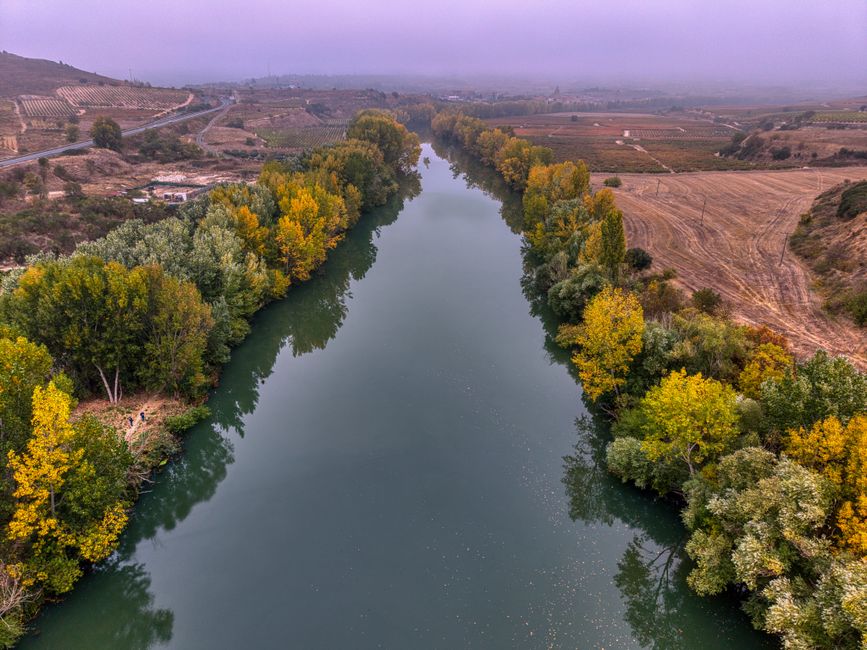
La Rioja produces Spain's best-known red wines from more than 60,000 hectares of vineyards along the Ebro River. In Haro, centenary bodegas such as López de Heredia offer cellar tours, and on 29 June the town fights a wine battle on the hills of the Riscos de Bilibio. Ideal for food lovers and couples.

Cadaqués and Cap de Creus
Cadaqués is a whitewashed fishing village on the Costa Brava, at the end of a winding road on Spain's easternmost peninsula, Cap de Creus. Salvador Dalí lived next door in Portlligat, and his house is now a museum that admits small groups by reservation. Ideal for art lovers, snorkellers and couples.

Caminito del Rey
The Caminito del Rey is a 7.7 km walkway bolted onto the walls of the Desfiladero de los Gaitanes gorge, up to 100 m above the river. Once known as the most dangerous path in the world, it reopened in 2015 after a complete rebuild and now needs a timed ticket. Ideal for adventurers without a fear of heights.
Must-Visit Attractions in Spain

The Basílica de la Sagrada Família is Antoni Gaudí's unfinished master
5 million visitors a year. In February 2026 its central Tower of Jesus Christ reached its final height of 172.5 m, making it the tallest church in the world. Construction began in 1882, Gaudí took over a year later, and he devoted the last 43 years of his life to it until his death in 1926. Inside, columns branch like trees, and the stained glass by Joan Vila-Grau floods the nave with green and blue light in the morning and red and orange in the afternoon. The Nativity Façade and the crypt are part of the UNESCO site Works of Antoni Gaudí. Tickets start at about €26, and tower access costs extra. Insider tip: book the last slot of the day in late autumn, when the low western sun sets the Passion Façade windows on fire.

The Museo Nacional del Prado in Madrid is one of the world's greatest
It opened in 1819 and displays around 1,700 works, including Diego Velázquez's Las Meninas (1656), Francisco de Goya's Black Paintings and Hieronymus Bosch's The Garden of Earthly Delights. The Paseo del Prado, together with the Retiro Park, became a UNESCO World Heritage Site in 2021 as a Landscape of Light. General admission costs €15, and entry is free in the last two hours of the day: 18:00–20:00 from Monday to Saturday and 17:00–19:00 on Sunday. Insider tip: the free-entry queue forms 30 minutes before, so go straight to the Velázquez rooms in Room 12 and the Goya rooms on the lower floor before the crowds catch up. Pair the visit with the Museo Reina Sofía, a 10-minute walk away, to see Picasso's Guernica.

The Alhambra in Granada is the best-preserved palace complex of mediev
Built mostly in the 13th and 14th centuries by the Nasrid dynasty, it became a UNESCO World Heritage Site in 1984. The Nasrid Palaces are the highlight: the Court of the Lions with its 124 marble columns, and the Hall of the Abencerrajes, whose ceiling of more than 5,000 muqarnas cells looks like a honeycomb carved from plaster. The Generalife gardens add terraces of roses, cypress and running water. Daily visitor numbers are capped, and tickets cost around €20 and often sell out a month ahead in spring. Insider tip: watch the sunset over the Alhambra from the Mirador de San Nicolás in the Albayzín, or from the quieter Mirador de San Cristóbal, when the red walls glow against the snow of the Sierra Nevada.
The Real Alcázar of Seville is a royal palace still used by the Spanis
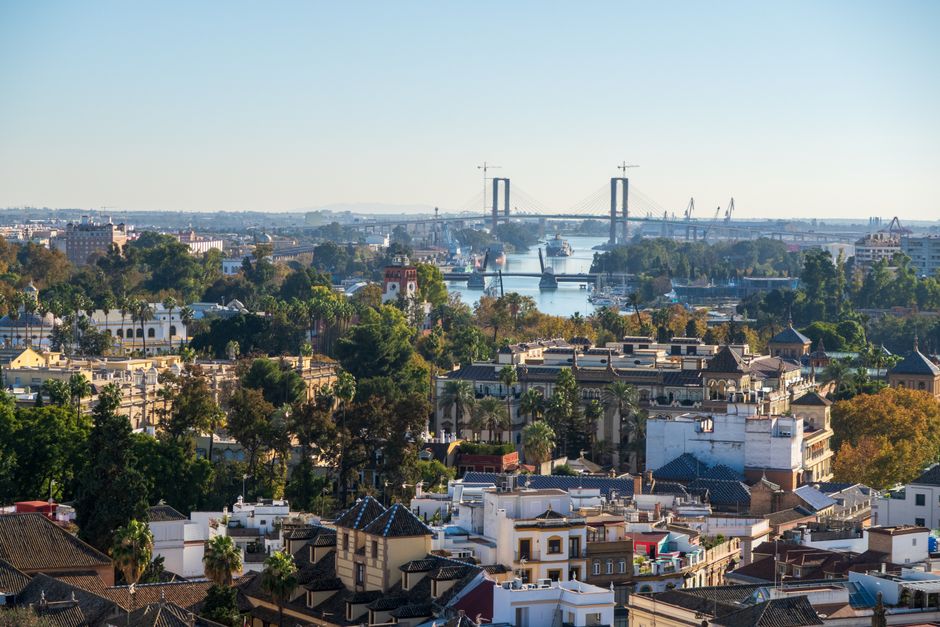
Its oldest walls date to the 10th century under the Caliphate of Córdoba, but its showpiece is the Mudéjar Palace built for King Peter of Castile in 1364 by craftsmen from Granada and Toledo. Tiled patios, carved cedar ceilings and the Patio de las Doncellas pool lead into 7 hectares of gardens filled with peacocks and orange trees. Together with the Cathedral and the Archivo de Indias, it has been a UNESCO site since 1987, and fans of Game of Thrones will recognise it as the Water Gardens of Dorne. Tickets cost around €15. Insider tip: take the first entry slot at 9:30 and head straight to the Baños de Doña María de Padilla, the vaulted rainwater cisterns that fill with reflected light before the tour groups arrive.

The Mosque-Cathedral of Córdoba, the Mezquita-Catedral, is a forest of
Abd al-Rahman I began it in 785 on the site of a Visigothic church, and successive caliphs enlarged it for two centuries. After the Christian conquest of 1236 it became a cathedral, and in 1523 a Renaissance nave was built in its centre, a move King Charles V is said to have regretted. Its gilded mihrab, decorated with Byzantine mosaics, still glows in the dim prayer hall. The building is part of the Historic Centre of Córdoba UNESCO site, first listed in 1984. Insider tip: visit in May, when the Patios Festival opens private flower-filled courtyards around the Mezquita, and climb the bell tower in the early morning for views across the Guadalquivir to the Roman Bridge.
The City of Arts and Sciences, Ciutat de les Arts i les Ciències, is a
It was built in the old bed of the Turia River, diverted after a catastrophic flood in 1957, and the first building opened in 1998. The Oceanogràfic is the largest aquarium in Europe, with around 45,000 animals from 500 species, including beluga whales and sharks in an underwater tunnel. The Hemisfèric looks like a giant eye whose lid opens over a reflecting pool, and the Museu de les Ciències shelters a skeleton of a whale. Insider tip: rent a bicycle and ride the 9 km Jardí del Túria park from the old town to the complex, arriving at dusk when the buildings are lit blue and white. Entry to the outdoor areas is free; only the museums and aquarium need tickets.

The Alcazaba of Málaga is an 11th-century Moorish fortress-palace clim
It was built by the Hammudid dynasty and remains one of the best-preserved Moorish fortifications in Spain, with patios of fountains, horseshoe arches and fragrant jasmine. At its foot lie the ruins of a Roman theatre from the 1st century BC, rediscovered only in 1951. Pablo Picasso was born a few streets away in 1881, in Plaza de la Merced, and the Museo Picasso Málaga holds more than 200 of his works. A combined ticket for the Alcazaba and Gibralfaro costs under €6, and entry is free on Sunday afternoons. Insider tip: take bus 35 up to Gibralfaro and walk down, so the whole descent offers views of the bullring, the cathedral and the Mediterranean.
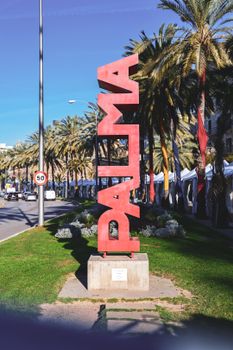
The Cathedral of Santa María of Palma, known in Mallorca as La Seu, is
King James I of Aragon ordered it after he conquered the island in 1229, and its nave rises 44 m, one of the tallest Gothic naves in Europe. The main rose window, almost 14 m wide, holds more than 1,200 pieces of coloured glass. Antoni Gaudí redesigned the interior between 1904 and 1914, adding a floating iron canopy over the altar, and artist Miquel Barceló covered a side chapel in ceramic sea creatures in 2007. Insider tip: on 2 February and 11 November, at around 8:30, the morning sun projects the main rose window onto the wall directly below the opposite window, creating a double rose of light that locals call the Festa de la Llum. Arrive early, because the spectacle lasts only a few minutes.
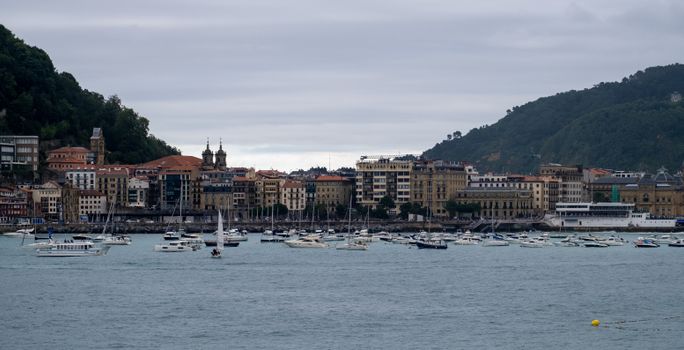
San Sebastián, known in Basque as Donostia, combines the shell-shaped
Its Parte Vieja has dozens of bars in a few blocks, and the city and its surroundings hold more than a dozen Michelin-starred restaurants, including three-star Arzak, Akelarre and Martín Berasategui. La Concha beach curves for 1.3 km, with the island of Santa Clara floating in the middle of the bay. The Monte Igueldo funicular, running since 1912, climbs to a viewpoint and a vintage amusement park at the top. The International Film Festival, founded in 1953, fills the city every September. Insider tip: order the house speciality in each bar rather than filling your plate from the counter, because the best pintxos are made to order and written on the chalkboard.

The Guggenheim Museum Bilbao is a curving titanium museum designed by
It opened in 1997 on the site of an old shipyard on the Nervión River, and its walls are covered with around 33,000 titanium sheets as thin as 0.5 mm. The term Bilbao Effect was coined to describe how one building helped turn a declining industrial city into a cultural destination. Outside stand Jeff Koons' Puppy, a 12 m terrier covered in flowers, and Louise Bourgeois' giant spider, Maman. Inside, Richard Serra's The Matter of Time fills a 130 m gallery with steel spirals. The museum draws more than a million visitors a year. Insider tip: cross the La Salve Bridge or walk the riverside promenade at dusk, when the titanium turns gold and silver with the changing light.
Unique Experiences in Spain
Walk the Last 100 km of the Camino de Santiago
Join pilgrims from 150 countries on the medieval route to Santiago de Compostela, sleeping in stone villages and earning your Compostela certificate at the end.
Las Fallas in Valencia
Watch giant satirical sculptures, some taller than a five-storey building, go up in flames across Valencia in one night of fire and fireworks.
Flamenco in an Andalusian Peña
Hear flamenco the way Andalusians do, in a small club where the guitar, the singing and the stamping feet are close enough to feel through the floor.
Stargazing Above the Clouds on Tenerife
Stand at 2,000 m inside a volcanic crater as the Milky Way rises above a sea of clouds, under one of the clearest skies in the Northern Hemisphere.
A Cooking Class in a Basque Gastronomic Society
Cook a Basque dinner behind the doors of a txoko, the private dining clubs where locals have gathered to cook and eat together for more than 150 years.
Travel Tips for Spain
Eat on Spanish Time
Restaurants serve lunch from 13:30 to 16:00 and dinner rarely before 20:30, with locals arriving around 21:30 or later. …
Book Timed Monuments Weeks Ahead
The Alhambra in Granada, the Sagrada Família in Barcelona and the Caminito del Rey sell out days or weeks ahead from Apr…
Travel by High-Speed Train
Spain has around 4,000 km of high-speed track, the largest network in Europe, and three companies compete on the main ro…
Avoid Inland Andalusia in July and August
Seville and Córdoba regularly reach 40–44°C in midsummer, which makes walking tours exhausting and even dangerous for ol…
Respect Local Pushback Against Mass Tourism
Barcelona, Palma and the Canary Islands have seen large protests against mass tourism, mostly about housing costs. Barce…
Learn a Few Words of the Local Language
Spain has four widely spoken languages: Spanish, Catalan, Basque and Galician, and street signs in Barcelona, Bilbao or …
Must-Try Local Dishes

Paella Valenciana
A wide pan of saffron-gold rice with a crust so crisp it crackles under the spoon is Spain's most famous dish. The original paella valenciana comes from the rice fields of the Albufera lagoon near Valencia and uses chicken, rabbit, flat green beans and garrofó white beans, never seafood. The crisp layer at the bottom, the socarrat, is the prize. Locals eat it at lunchtime, often on Sundays, and never for dinner.

Jamón Ibérico de Bellota
Paper-thin slices of deep red ham that melt on the tongue like butter are the taste most Spaniards miss abroad. Jamón ibérico de bellota comes from black Iberian pigs that roam the oak pastures of Extremadura and Andalusia and eat acorns during the autumn montanera. The legs cure for 36 months or more. Look for the black label, which guarantees 100% Iberian breed, and expect €80–150 per kilogram.

Tortilla de Patatas
A thick golden wedge of potato omelette, still slightly runny in the centre, is the snack every Spanish bar serves at breakfast. The tortilla de patatas is made with eggs, potatoes slow-cooked in olive oil and, for most Spaniards, onion, although the onion question splits families. Order a pincho de tortilla with a café con leche for about €3–4 and you are eating the way Spain starts its mornings.

Gazpacho and Salmorejo
On a 40°C afternoon in Seville, a glass of ice-cold gazpacho tastes like a garden in liquid form. This Andalusian soup blends raw tomatoes, cucumber, green pepper, garlic, olive oil and sherry vinegar. Its thicker cousin from Córdoba, salmorejo, uses bread for a creamy texture and comes topped with chopped egg and jamón. Both were peasant food for farm labourers and are eaten only in the hot months.

Pulpo a la Gallega
Tender octopus on a wooden plate, dusted with smoked paprika and glistening with olive oil, is Galicia's gift to the Spanish table. Pulpo a la gallega, also called pulpo á feira, is boiled in copper pots, snipped with scissors and served over sliced potatoes. It was originally cooked by pulpeiras at village fairs. The town of O Carballiño holds a festival in its honour every August, serving tonnes of octopus in one day.

Pintxos
A counter lined with dozens of tiny bites on bread, from anchovy and pepper to seared foie gras, is the Basque Country's answer to tapas. Pintxos are eaten standing, two or three per bar, with a small glass of txakoli white wine or a zurito of beer. The classic Gilda, an olive, anchovy and guindilla pepper on a toothpick, was named in the 1940s after Rita Hayworth's film character.

Cocido Madrileño
A clay pot of chickpeas, beef, chorizo, pork belly and cabbage, simmered for hours, is the dish that keeps Madrid warm in winter. Cocido madrileño is served in three courses, called vuelcos: first the broth with thin noodles, then the chickpeas and vegetables, and finally the meats. It comes from a medieval Sephardic stew. Taberna La Bola has cooked it over wood fires in individual pots since 1870.

Churros con Chocolate
Hot ridged dough sticks dipped into a cup of chocolate thick enough to hold a spoon upright are Spain's favourite sweet ending to a long night. Churros are fried to order and dusted with sugar, while their thicker cousins, porras, are popular in Madrid. Chocolatería San Ginés has served them around the clock since 1894, and New Year's morning is the busiest time of the year.
History
Cave Painters, Phoenicians and Roman Hispania
People have been leaving their mark on the Iberian Peninsula for at least 36,000 years. The bison painted in ochre and charcoal on the ceiling of the Cave of Altamira in Cantabria are among the oldest masterpieces of human art, and the cave was so fragile that it closed to the public in 2002.
Traders and colonists
Around 1100 BC Phoenician sailors founded Gadir, today's Cádiz, which makes it one of the oldest continuously inhabited cities in Western Europe. Greeks and Carthaginians followed, drawn by silver, tin and salted fish.
Two centuries of Roman conquest
Rome landed in 218 BC during the Second Punic War, yet it took until 19 BC to subdue the last Cantabrian tribes. Hispania then gave the empire olive oil, wine and two emperors, Trajan and Hadrian, both born in Itálica near Seville.
- The Aqueduct of Segovia still stands on 167 arches built without a drop of mortar.
- The Roman Theatre of Mérida, opened around 16 BC, hosts a classical theatre festival every summer.
- Tarraco, now Tarragona, was the capital of the largest Roman province in Hispania.
Walk Mérida at dusk and you hear the same stone echo that Roman audiences heard two thousand years ago.
Climate & Best Time to Visit
Spring
10–24°C
March to May is the sweet spot for city breaks and hiking, with daytime highs of 18–24°C in Seville, Madrid and Barcelon…
Summer
20–38°C
June to August belongs to beach lovers and island-hoppers, with sea temperatures of 24–27°C in the Mediterranean and alm…
Autumn
12–26°C
September and October keep the warm sea of summer without the crowds, which makes them a favourite for couples and food …
Winter
2–16°C
December to February is quiet, cheap and surprisingly bright, with Málaga and Valencia often reaching 16–18°C at midday.…
Fascinating Fun Facts
Spain runs on the wrong clock
Geographically, most of Spain sits in the same longitude as London and Lisbon, so it should share their time zone. In 19…
The national anthem has no words
The Marcha Real, one of the oldest national anthems in Europe, has no official lyrics. Several sets of words were used u…
Almost half the world's olive oil is Spanish
Spain produces around 40–45% of the world's olive oil in a normal harvest, far ahead of Italy and Greece. Most of it com…
Christmas brings the world's biggest lottery
El Gordo, the Spanish Christmas lottery held every 22 December, pays out more money than any other lottery draw on the p…
Spain's tooth fairy is a mouse
Spanish children leave their lost teeth under the pillow for Ratoncito Pérez, a small mouse who swaps them for a coin or…
The world's oldest restaurant is in Madrid
Sobrino de Botín, a few steps from Plaza Mayor, has served food continuously since 1725, and Guinness World Records list…
Traveler Reviews (0 reviews)
Sign in to leave a review and share your experience.
Sign InNo reviews yet. Be the first to share your experience!