San Sebastián
Updated October 16, 2026
Also known as: Donostia, Donostia-San Sebastián, Donosti
Main Landmarks in San Sebastián

Playa de La Concha
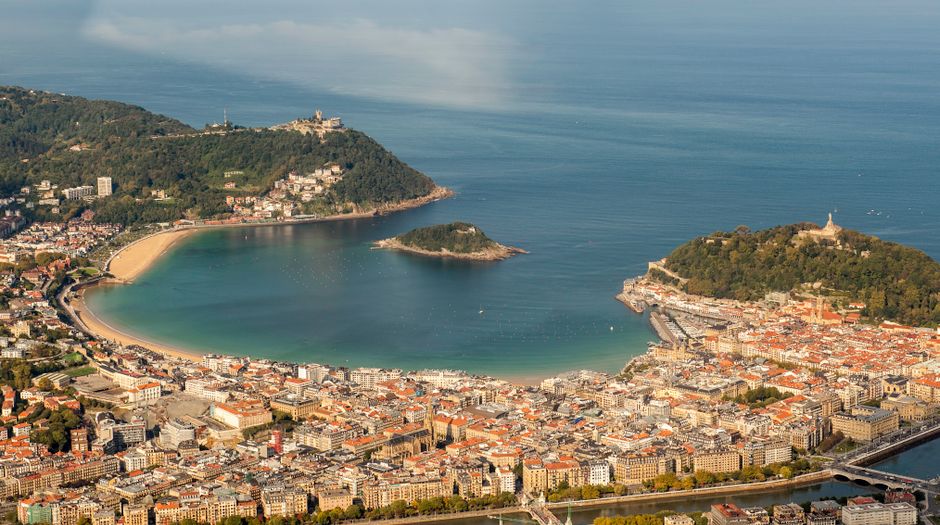
La Concha is a 1.3 km crescent of golden sand curving around a shell-shaped bay, with the island of Santa Clara in the middle. Its white railings, iron lampposts and Belle Époque buildings along the Paseo de La Concha are icons of the city. The beach is busy in summer, but locals swim here all year. At low tide, walk along the sand from the old town to Ondarreta. In summer, a small boat crosses to Santa Clara island for about €5, with a tiny beach and a bar.

Parte Vieja
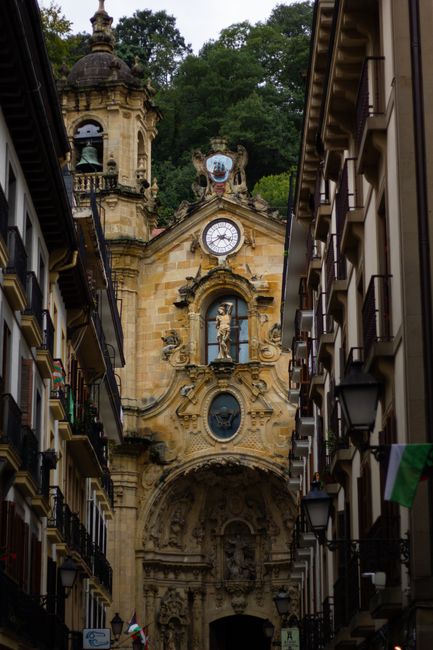
The Parte Vieja, the old town, rebuilt after 1813, is a grid of narrow streets packed with pintxo bars, small shops and two great churches: the Baroque Basilica of Santa María del Coro and the Gothic church of San Vicente. The arcaded Plaza de la Constitución, with its numbered balconies once used to watch bullfights, is the centre of festivals. The best time to visit is from 19:00 to 22:00, when locals move between bars. On Sundays and Mondays some bars close, so check before going.
Monte Igueldo
Monte Igueldo rises 181 m at the western end of La Concha Bay and offers the classic postcard view of San Sebastián. The wooden funicular, running since 1912, climbs to the summit in about 3 minutes, with tickets around €4.50 return. At the top, a small vintage amusement park, a lighthouse and a hotel overlook the bay. Visit at sunset for the best light. On clear days you can see the coast of France to the east and the mountains of Gipuzkoa inland.

Monte Urgull
Monte Urgull is the green hill behind the old town, once the city's fortress, crowned by the Castillo de la Mota and a 12 m statue of Christ known as the Sagrado Corazón. Footpaths wind through woods, past old cannons, the English Cemetery for soldiers killed in 1813 and viewpoints over the bay and the open sea. The small museum in the castle, the Casa de la Historia, explains the city's history, and entry is free. Allow one to two hours and wear comfortable shoes.
Peine del Viento
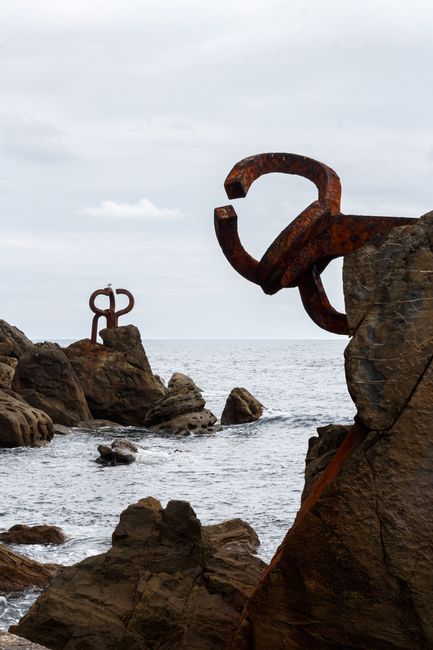
The Peine del Viento, the Comb of the Wind, is a group of three steel sculptures by Eduardo Chillida, installed in 1977 on the rocks at the end of Ondarreta beach. Architect Luis Peña Ganchegui designed the granite platform with blowholes that shoot jets of seawater and air into the air during storms. It is one of the most powerful places to experience the Cantabrian Sea. Visit at high tide on a stormy day for the most dramatic effect, but stay back from the edge. Entry is free.
San Telmo Museoa
San Telmo Museoa, the museum of Basque society and citizenship, is housed in a 16th-century Dominican convent at the foot of Monte Urgull, with a striking modern extension covered in a perforated metal skin overgrown with plants. Its collections explain Basque history, from prehistoric tools to modern art. The cloister church contains huge golden murals by Catalan painter Josep Maria Sert, painted in 1930. Entry costs about €6, free on Tuesdays. Allow about 90 minutes. The museum shop sells good Basque design.

Kursaal and Zurriola Beach
The Kursaal Congress Centre, designed by Rafael Moneo and opened in 1999, is formed by two translucent glass cubes standing like stranded rocks at the mouth of the Urumea River. It hosts the Film Festival and concerts. In front of it, Zurriola beach, in the Gros district, is the city's surfing beach, with surf schools offering lessons for €30–50. Gros has excellent pintxo bars and a more local atmosphere than the old town. Cross the Zurriola Bridge from the old town in five minutes.
History
San Sebastián began as a small fishing and whaling port at the foot of Monte Urgull, and King Sancho VI of Navarre granted it a town charter around 1180. Its harbour exported wool from Castile and iron from the Basque valleys, and its sailors hunted whales as far as Newfoundland. The town was walled and fortified many times, and on 31 August 1813, during the Peninsular War, British and Portuguese troops besieged and burned it to drive out Napoleon's army. Only one street, now called Calle 31 de Agosto, survived the fire. The old town was rebuilt on a grid plan, and in 1864 the city walls were demolished, allowing elegant Romantic expansion. In the late 19th century Queen Maria Christina chose San Sebastián as the royal summer residence, building the Miramar Palace in 1893, and the city became Spain's most fashionable seaside resort, with its casino, grand hotels and promenades. The International Film Festival was founded in 1953. San Sebastián was European Capital of Culture in 2016, and today about 188,000 people live here.
Culture
San Sebastián is a bilingual city where Basque, Euskara, and Spanish are both spoken; locals call it Donostia. Its identity is built around food: dozens of pintxo bars in the old town, a large concentration of Michelin-starred restaurants and more than 100 private gastronomic societies, called txokos, where members cook and eat together. The sea is everywhere: surfers ride the waves at Zurriola, swimmers cross La Concha Bay in all seasons and rowing crews compete in traditional trainera boats every September. The year's biggest party is the Tamborrada on 20 January, when thousands of people dressed as cooks and soldiers march through the city for 24 hours beating drums and barrels. Culture is strong: the International Film Festival in September and the Jazzaldia jazz festival in July, founded in 1966, are among the oldest in Spain. Basque sports such as pelota, stone lifting and wood chopping are still practised at local festivals.
Climate
Spring
9–20°C
March to May is mild and green, with 14–20°C days and frequent showers, typical of the Atlantic coast. It is a quiet, pl…
Summer
16–26°C
June to September is warm but rarely hot, with 22–26°C days and sea temperatures of 19–22°C. It is beach season at La Co…
Autumn
10–23°C
September and October are often the best months, with 18–24°C days, a warm sea and the International Film Festival in la…
Winter
5–13°C
December to February is cool and rainy, with 9–13°C days and frequent drizzle, called sirimiri locally. It is the best t…
Fun Facts
A whole town was burned and rebuilt in 1813
On 31 August 1813, Anglo-Portuguese troops under the Duke of Wellington stormed San Sebastián to drive out French forces…
The city drums for 24 hours non-stop
The Tamborrada begins at midnight on 20 January, the feast of Saint Sebastian, when the mayor raises the city flag in th…
Cooking clubs once barred women
San Sebastián has more than 100 txokos, private gastronomic societies where members cook elaborate meals for friends in …
Chillida's sculptures fight the waves
At the western end of Ondarreta beach, three giant steel sculptures by Basque artist Eduardo Chillida, each weighing abo…
One of Europe's oldest amusement parks sits on a hill
The amusement park on the summit of Monte Igueldo opened in 1912, the same year as the wooden funicular that still carri…
The Film Festival brought Hitchcock to the city
The San Sebastián International Film Festival, founded in 1953, is one of the most prestigious in Europe and awards the …
Local Cuisine in San Sebastián
Txuleta
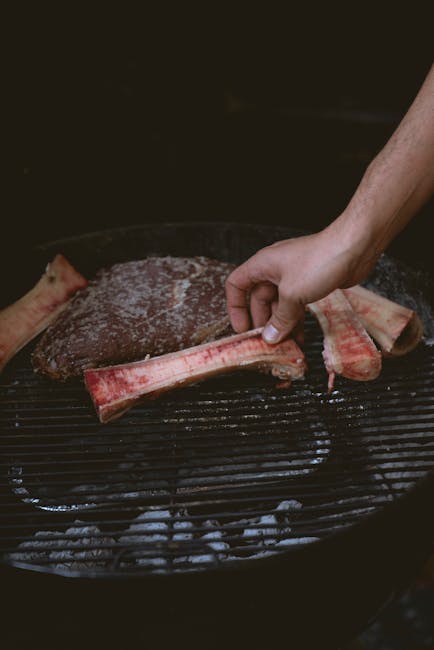
A thick bone-in steak from older Basque or Galician cows, grilled over charcoal until charred outside and rare inside, sliced and seasoned only with coarse salt. It is the centrepiece of meals in cider houses and grill restaurants called asadores. A txuleta for two costs about €50–90, depending on the weight and the restaurant.

Bacalao al pil-pil
Salt cod cooked slowly in olive oil and garlic while the pan is gently swirled, until the gelatine from the fish turns the oil into a thick, pale emulsion called pil-pil. It is a symbol of Basque cooking. Traditional restaurants serve it for €18–26, and it is also served in cider houses as part of the set menu.

Gilda
The most famous pintxo of San Sebastián: a toothpick threaded with a green olive, a salted anchovy and pickled guindilla peppers. It was created in the 1940s at Casa Vallés bar and named after the film character played by Rita Hayworth, because it was green, salty and a little spicy. A Gilda costs about €2–3.

Tarta de queso de La Viña
The famous burnt Basque cheesecake from La Viña bar in the old town, baked at high heat so the outside caramelises almost black while the inside stays creamy. It has been copied worldwide since the bar created it in 1990. A slice costs about €6, and La Viña sells whole cakes to take away.
Pintxos
Small, creative bites served on bread or skewers along the counters of bars in the Parte Vieja and Gros. Classics include the Gilda, with olive, anchovy and chilli pepper, while modern bars cook hot pintxos to order, such as foie gras, grilled octopus or risotto. Each costs €2.50–5, and locals eat one or two per bar with a small glass of wine.

Txakoli
A fresh, slightly sparkling white wine from the Basque coast, with low alcohol and high acidity. Waiters pour it from a height into wide glasses to release its bubbles. It pairs perfectly with pintxos and seafood. Vineyards in Getaria, 25 km west, produce the Getariako Txakolina variety. A glass costs €2.50–4.
Practical Travel Information
Transport & Accessibility
International Transport
San Sebastián Airport in Hondarribia, 20 km east, has mainly domestic flights to Madrid and Barcelona. Most international visitors fly into Bilbao Airport, about 100 km west, with direct buses to the city, or Biarritz Airport in France, about 50 km away. Renfe trains connect San Sebastián with Madrid in about 5 hours and Barcelona in about 6 hours. The Euskotren line known as the Topo runs to Hendaye on the French border in about 35 minutes, where you can connect with French TGV trains to Paris. Long-distance buses leave from the station next to the Renfe station.
Local Transport
San Sebastián is compact and walkable: from the old town to Ondarreta beach along La Concha takes about 30 minutes. Dbus city buses cover all districts, with single tickets around €2, cheaper with the Mugi card. The city has more than 30 km of cycle lanes along the seafront and the river, and the dBizi bike-sharing system is available to visitors through an app. The Igueldo funicular and city buses connect the hills. Driving in the centre is difficult, and parking is expensive, so leave the car in an underground car park.
Safety & Health
Personal Safety
San Sebastián is one of the safest cities in Spain, with very low crime. Pickpocketing can occur in crowded pintxo bars in the old town, on the beaches in summer and during the Film Festival and Tamborrada. Keep phones and wallets secure in busy bars. The sea at Zurriola and Ondarreta can have strong currents, so swim only in areas watched by lifeguards and follow the flag system. During winter storms, stay away from the seafront walls and the Peine del Viento, where waves can be dangerous. Dial 112 in an emergency.
Medical Services
Hospital Universitario Donostia is the main public hospital, with a 24-hour emergency department, and the Policlínica Gipuzkoa is a leading private hospital. EU visitors can use the European Health Insurance Card in public hospitals; others should have travel insurance. Pharmacies are common, and night-duty pharmacies are listed on their doors. Tap water is excellent. In summer, lifeguards cover the main beaches, and first-aid posts are located at La Concha, Ondarreta and Zurriola. Bring sunscreen, as the Atlantic sun can burn even on cloudy days.
Budget & Costs
Travel Costs
San Sebastián is among the most expensive cities in Spain. A hostel bed costs €35–60, a mid-range hotel €130–220 and a seafront hotel on La Concha €250–450 in summer. Pintxos cost €2.50–5 each, a glass of txakoli €2.50–4 and a menú del día €16–25. A dinner at a traditional asador costs €50–80 per person, while a Michelin three-star tasting menu costs €300 or more. The Igueldo funicular costs about €4.50 return and San Telmo Museoa about €6. A mid-range traveller should budget €160–220 per day.
Budget Tips
Make pintxos your main meals, as a crawl of four or five bars can replace a restaurant dinner for €25–40. Eat a menú del día at lunch, which is often excellent value in Gros and Amara. Visit in spring or late autumn for lower hotel prices. Use the Mugi card for buses, and walk or rent a bike instead of taking taxis. Many attractions are free, including Monte Urgull, the Peine del Viento and the beaches. Consider staying in Gros or Amara, which are cheaper than the old town and La Concha.
Culture & Traditions
Social Norms
Basques are often described as reserved at first but very warm once you get to know them. Greet with kaixo or a simple hola, and two kisses among friends. In pintxo bars, it is normal to throw napkins on the floor in some traditional places, but follow what locals do. Pay at the end and be honest about what you ate. Basque identity is important: avoid political debates and respect the Basque language. Lunch is from 13:30 and dinner from 20:30, slightly earlier than in southern Spain. Tipping is optional.
Cultural Activities
Join the Tamborrada on 20 January, when the city drums for 24 hours. In September, attend the International Film Festival and watch the trainera rowing races in La Concha Bay. In July, enjoy the Jazzaldia festival, with free concerts on Zurriola beach. Visit a cider house, a sagardotegi, from January to April. Watch a game of Basque pelota at a fronton. Take a cooking class in a txoko, and explore San Telmo Museoa to learn about Basque history and identity.
Unique Experiences in San Sebastián
Ride the wooden funicular up Monte Igueldo at sunset for the classic view of La Concha Bay, then walk down to the Peine del Viento as the lights of the city come on. The funicular costs about €4.50 return and runs until evening in summer.
Join a pintxo crawl through the Parte Vieja from 19:00, ordering one speciality per bar: the Gilda at Casa Vallés, grilled foie at La Cuchara de San Telmo and the burnt cheesecake at La Viña. Expect to spend €25–40 per person for five or six stops.
Visit a traditional cider house, a sagardotegi, in nearby Astigarraga from January to April, during the txotx season, when you fill your glass straight from giant barrels and eat salt-cod omelette, txuleta steak and cheese. Menus cost €40–55, with unlimited cider.
Take a surf lesson at Zurriola beach in the Gros district, one of the most consistent surf spots in Spain, with waves for beginners most of the year. A two-hour lesson with board and wetsuit costs about €30–50, and schools operate all year.
Book a cooking class inside a txoko, a private Basque gastronomic society, where a local chef teaches you to make pintxos and classic dishes such as bacalao al pil-pil, followed by dinner with wine. Classes last about four hours and cost €120–180.
Travel Recommendations for San Sebastián
Use San Sebastián as a base for day trips. Getaria, with its txakoli vineyards and grilled fish, is 30 minutes by bus, H…
Book accommodation early, especially for July, August and the Film Festival in late September, when prices soar and room…
Plan your pintxo crawl like a local. Start around 19:30, order one or two pintxos per bar, ask for the hot specialities …
If you want a Michelin-starred meal, book well ahead. Restaurants such as Arzak, Akelarre and Martín Berasategui often f…
Bring layers and a waterproof jacket in any season. The Basque coast is green because it rains often, and the weather ca…