Palma
Updated October 16, 2026
Also known as: Palma de Mallorca, Ciutat de Mallorca
Main Landmarks in Palma
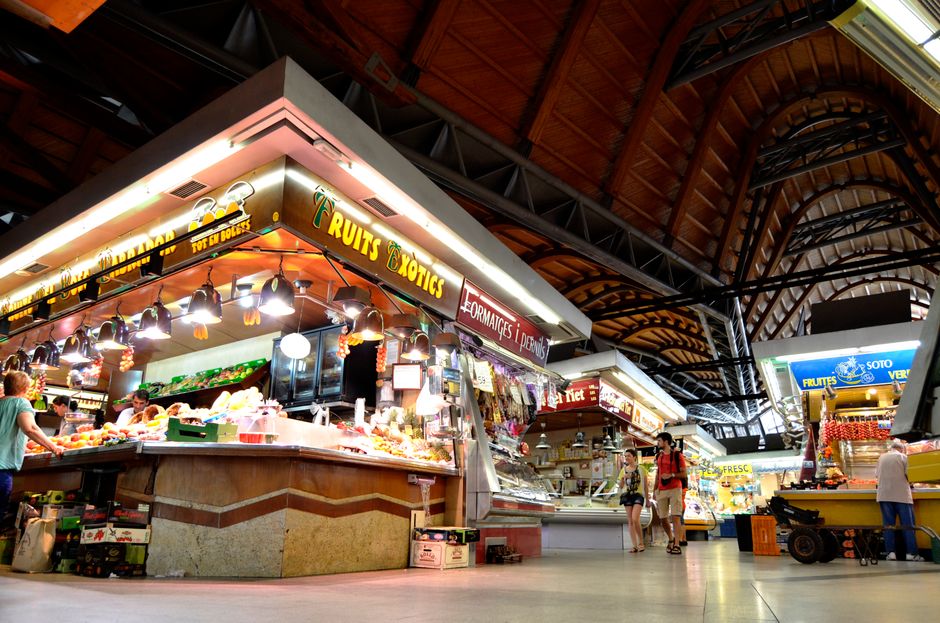
Mercat de l'Olivar
The Olivar Market, opened in 1951, is Palma's main food market, with stalls selling fresh fish, cured sobrassada, cheeses, olives and island fruit. Its tapas bars serve oysters, seafood and wine from mid-morning, and locals stop for a lunchtime snack among the stalls. Come before 14:00, as it closes in the afternoon and on Sundays. It is a great place to buy sobrassada and local olive oil to take home, often vacuum-packed for travel. Several stalls sell prepared food for picnics.

Catedral de Mallorca (La Seu)
La Seu is a Gothic cathedral rising from the old sea wall, begun after the conquest of 1229 and completed in 1601. Its nave reaches 44 m, one of the tallest Gothic naves in Europe, and the main rose window is almost 14 m wide. Inside, Gaudí's iron canopy and Miquel Barceló's ceramic chapel contrast with medieval stained glass. Entry costs about €10 with audio guide, and a rooftop tour is available in summer. Visit in the morning for the best light through the windows.

Palau de l'Almudaina
The Royal Palace of La Almudaina, next to the cathedral, was originally a Moorish fortress and was transformed into a Gothic royal residence by the kings of Majorca after 1229. Today it is the official residence of the Spanish royal family in the Balearic Islands, used for ceremonies. Visitors see the Gothic royal chapel of Santa Ana, tapestries and the throne room. Entry costs about €7, free for EU citizens at certain times. Combine it with the cathedral, as they share the same terrace.

Castell de Bellver
Bellver Castle, built between 1300 and 1311, is one of Europe's few circular Gothic castles, standing on a pine-covered hill 3 km west of the centre. Its round courtyard and towers house the city history museum. The terrace offers panoramic views of the bay, the cathedral and the Serra de Tramuntana. Entry costs about €4, and it is free on Sundays. Walk up through the pine woods in about 30 minutes, or take a taxi up and walk down. Allow one hour.

Old Town and Banys Àrabs
Palma's old town is a maze of narrow streets, Gothic churches and noble houses with hidden patios, many of which can be glimpsed through open gates. The 10th-century Arab Baths, one of the few Moorish buildings to survive, have a domed room supported by 12 columns and a quiet garden. Entry costs about €3. Visit the Gothic Basilica of Sant Francesc, with the tomb of philosopher Ramon Llull. The best way to explore is on foot, early in the morning or in the evening.
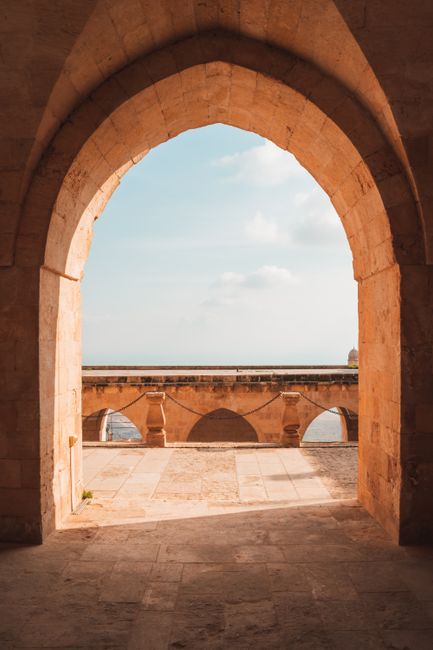
Es Baluard Museu d'Art Contemporani
Es Baluard is a modern art museum built into a 16th-century Renaissance bastion of the city walls, overlooking the harbour. Its collection includes works by Miró, Picasso and Barceló, as well as contemporary Balearic artists. The open-air terraces on top of the walls offer great views of the cathedral and the marina, especially at sunset. Entry costs about €6, and visitors can choose their own price on certain days. The museum café is a popular spot for a drink. Allow about 90 minutes.

Fundació Miró Mallorca
The Fundació Miró Mallorca preserves the studios and home where Joan Miró worked from 1956 until 1983, in the hills of Cala Major, 5 km west of the centre. Visit Sert's light-filled studio, preserved with unfinished canvases, and the Son Boter farmhouse, whose walls Miró covered with charcoal sketches. A modern building by Rafael Moneo displays rotating exhibitions of his work. Entry costs about €10. Take bus 4 or 46 from the centre. The garden has sculptures too, and the site is quiet in the mornings.
History
Palma was founded by the Romans in 123 BC, when the consul Quintus Caecilius Metellus conquered the Balearic Islands and built a military camp called Palmeria on the bay. After the fall of Rome, the island passed through Vandal and Byzantine hands before the Moors arrived in 902 and named the town Medina Mayurqa. Under Moorish rule it became a prosperous trading city with gardens, baths and irrigation systems; the 10th-century Arab Baths survive in the old town. On 31 December 1229, King James I of Aragon conquered the city, an event Palma still commemorates every year with the Festa de l'Estendard. James I founded the Kingdom of Majorca and ordered the construction of the Gothic cathedral, La Seu, by the sea. In the 14th century Palma's merchants and cartographers were famous across the Mediterranean, and the Llotja, a Gothic trade exchange, was built between 1426 and 1448. From the 1950s, mass tourism transformed Mallorca. Today Palma has about 430,000 inhabitants, almost half of the island's population.
Culture
Palma is the capital of the Balearic Islands, and its people speak Mallorquín, a variety of Catalan, as well as Spanish. Life combines Mediterranean city routines with island traditions: morning coffee with an ensaïmada pastry, lunch at the Mercat de l'Olivar and an evening walk along the Passeig del Born. Locals take pride in the Gothic cathedral, which they call La Seu, and in Joan Miró, who lived and worked in Palma from 1956 until his death in 1983. The main festivals include Sant Sebastià in January, with bonfires, grilled sausages and free concerts across the old town, and the Nit de Sant Joan on 23 June on the beaches. Palma has a growing contemporary art scene, with galleries in Santa Catalina and the Es Baluard museum. In recent years, many residents have protested against mass tourism and high housing costs, and the city now restricts new holiday rentals in apartment buildings.
Climate
Spring
10–24°C
March to May brings 17–24°C days, almond blossom fading into wildflowers and the best conditions for exploring the old t…
Summer
20–31°C
June to August is hot and sunny, with 29–32°C afternoons and sea temperatures of 24–27°C. This is peak season: hotels an…
Autumn
13–26°C
September and October keep the sea warm at 22–25°C and the days pleasant at 22–28°C, making them ideal for beaches witho…
Winter
6–16°C
December to February is mild, with 14–17°C afternoons and around 6–7°C at night. Many beach hotels close, but Palma stay…
Fun Facts
Bellver Castle is perfectly round
Bellver Castle, built between 1300 and 1311 for King James II of Majorca, is one of the few circular Gothic castles in E…
Gaudí redesigned the cathedral's interior
Between 1904 and 1914 Antoni Gaudí worked on the interior of Palma Cathedral, moving the choir stalls to open up the nav…
Two rose windows of light appear twice a year
On 2 February and 11 November, at around 8:30, the rising sun shines through the main rose window of Palma Cathedral and…
Joan Miró's studio is open to visitors
Joan Miró, the Catalan surrealist painter, settled in Palma in 1956 and lived there until his death in 1983. His studio,…
A wooden train still runs to Sóller
The Ferrocarril de Sóller, opened in 1912, still runs vintage wooden carriages from Palma to the town of Sóller, 27 km a…
The ensaïmada has protected status
The ensaïmada, a spiral-shaped pastry made with flour, sugar, eggs and pork lard, is Mallorca's most famous sweet and ha…
Local Cuisine in Palma
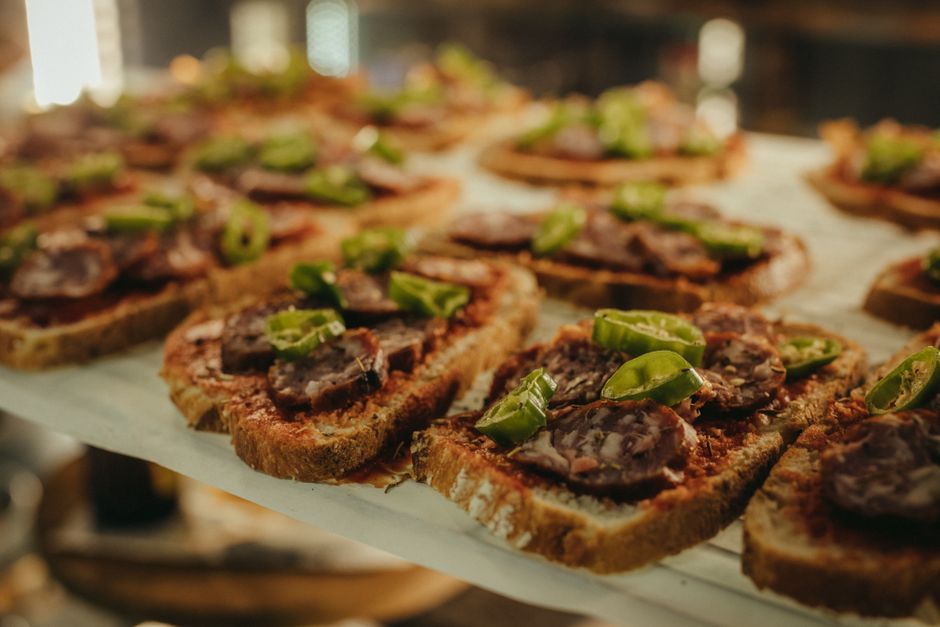
Sobrassada
A soft, spreadable cured sausage made from pork, paprika and salt, bright red and slightly spicy. It is spread on bread, grilled with honey or used in stews. Sobrassada de Mallorca has protected geographical indication status. Buy it at the Mercat de l'Olivar, where a piece costs €5–15, or try it on toast at any bar.

Pa amb oli
Mallorca's simplest and most beloved dish: toasted country bread rubbed with tomato, drizzled with local olive oil and topped with ham, cheese or sobrassada, served with pickled capers and olives. It is eaten at any time of day. A plate costs €6–12 in traditional bars in the old town and Santa Catalina.

Tumbet
A Mallorcan vegetable bake of layered fried potatoes, aubergines and red peppers, topped with a thick tomato sauce. It is served alone or with fish or meat, and it tastes even better the next day. Tumbet is a summer dish, when vegetables are at their best. Traditional restaurants serve it for €8–14.

Frit mallorquí
A rustic fry-up of lamb or pork offal, potatoes, peppers, onions and fennel, flavoured with garlic and spices. It was once a dish for slaughter days on farms and is now a classic in traditional taverns. It is rich and fragrant, best with local red wine. Expect to pay €10–14 a plate.
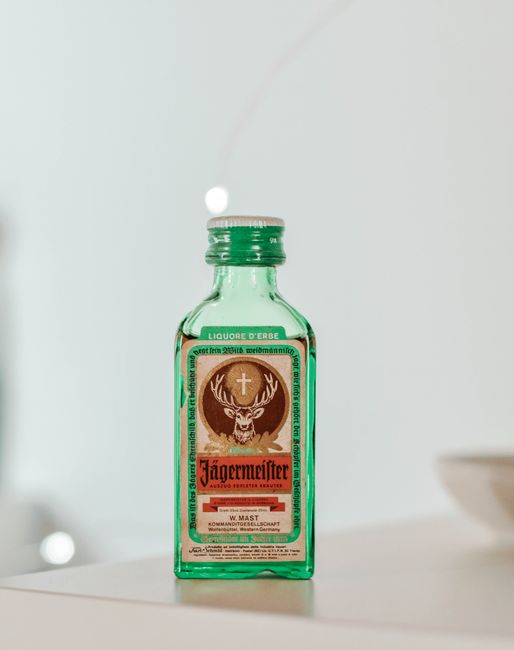
Herbes de Mallorca
A traditional aniseed-based liqueur infused with island herbs such as fennel, rosemary, lemon verbena and camomile, served as a digestif after meals. It comes in sweet, mixed and dry versions. Many restaurants offer a small glass for free after dinner, and bottles cost €12–20 in shops. Serve it chilled over ice.
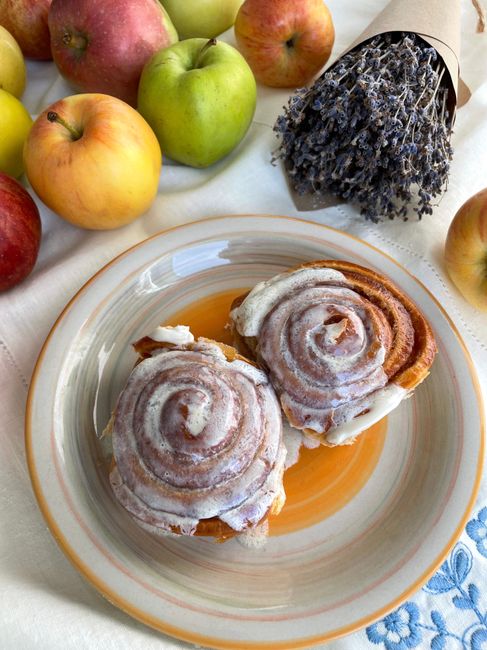
Ensaïmada
A light, spiral-shaped pastry made with lard, dusted with icing sugar, sometimes filled with cabell d'àngel, pumpkin jam, or cream. It is eaten for breakfast with coffee or hot chocolate. Can Joan de s'Aigo, open since 1700, and Forn Fondo are classic bakeries. A small ensaïmada costs €1.50–3, and large boxes to take home €10–25.
Practical Travel Information
Transport & Accessibility
International Transport
Palma de Mallorca Airport, 8 km east of the centre, is Spain's third-busiest airport and handles more than 30 million passengers a year, with direct flights to most European cities, especially Germany and the UK. Ferries from the Port of Palma connect with Barcelona in about 7–8 hours, Valencia in about 7.5 hours and Ibiza and Menorca in a few hours, with overnight crossings available. Cruise ships dock at the port near the cathedral, and on busy days several ships arrive at once. There are no rail connections with the mainland.
Local Transport
Palma's old town is compact and best explored on foot. EMT city buses cover the whole city, including the A1 to the airport, with single tickets around €2 and cheaper rates with a rechargeable card. The Palma metro has two lines but is mainly used by residents. The Sóller train and the TIB intercity bus network connect Palma with the rest of the island. BiciPalma public bikes and a long seafront cycle lane make cycling easy. To explore beaches and villages, a rental car is useful, but parking in the centre is difficult and expensive.
Safety & Health
Personal Safety
Palma is a safe city with low violent crime. Pickpockets operate in crowded areas such as the cathedral, the Passeig del Born and the main shopping streets, and around the beach at Playa de Palma. Be careful with bags and phones on terraces and beaches. Nightlife areas such as Playa de Palma and Magaluf, outside the city centre, can be rowdy in summer, and local rules now restrict drinking in the street. Respect neighbourhoods in the old town, where residents are sensitive to noise. For emergencies, dial 112.
Medical Services
Hospital Universitari Son Espases, north of the centre, is the main public hospital in the Balearic Islands, with a 24-hour emergency department. Private clinics such as Clínica Juaneda and Quirónsalud Palmaplanas have English-speaking staff. EU visitors can use the European Health Insurance Card in public hospitals; others should have travel insurance. Pharmacies are widespread, and night-duty pharmacies are listed on every door. Tap water is safe but tastes of minerals, so many people drink bottled water. In summer, sunburn and heatstroke are the most common issues.
Budget & Costs
Travel Costs
Palma is one of the most expensive cities in Spain, especially in summer. A hostel bed costs €35–60, a mid-range hotel €120–220 and a boutique hotel in the old town €200–400 in high season, plus the tourist tax. A menú del día costs €14–20, tapas €3–7 and dinner for two with wine €50–90. A coffee costs €1.80–2.50 and an ensaïmada €1.50–3. La Seu costs about €10, Bellver Castle about €4 and the Sóller train about €30 return. A mid-range traveller should budget €150–200 per day in summer.
Budget Tips
Visit in spring, autumn or winter, when hotel prices drop by up to half. Eat a menú del día at lunchtime and snack on pa amb oli and tapas at the Mercat de l'Olivar. Visit Bellver Castle on Sunday, when entry is free. Use EMT buses instead of taxis and the A1 bus from the airport. Stay in districts such as Santa Catalina or Son Armadams, close to the centre but cheaper than the old town. Pack a picnic for beach days, as beach bars are expensive.
Culture & Traditions
Social Norms
Mallorcans are friendly but more reserved than people on the mainland, and they appreciate visitors who respect the island's culture and neighbourhoods. Greet with bon dia in Mallorquín or buenos días in Spanish. Meal times are late: lunch from 13:30 to 15:30 and dinner from 20:30. Do not walk around the old town in swimwear or shirtless, as this can be fined. Keep noise low in residential areas at night, especially in rented apartments. Tipping is optional; rounding up or 5–10% is generous. Respect local protests against overtourism.
Cultural Activities
See the Festa de la Llum in the cathedral on 2 February or 11 November. Join Sant Sebastià in January, when bonfires, grilled meat and free concerts fill the squares. Visit the Fundació Miró and Es Baluard for modern art, and the Palau March for sculptures by Rodin and Henry Moore. Take the Sóller train through the mountains. Attend a concert at the Teatre Principal. In late December, watch the Festa de l'Estendard commemorating the conquest of 1229. Check the city agenda for open-air events.
Unique Experiences in Palma
Take the vintage wooden train from Palma to Sóller, opened in 1912, crossing the Serra de Tramuntana through 13 tunnels, then ride the old tram to Port de Sóller for a seafood lunch. Return tickets cost around €30, and morning trains fill fast in summer.
Watch the Festa de la Llum inside Palma Cathedral on 2 February or 11 November at about 8:30, when the sun projects the main rose window directly below the opposite window, creating a double rose of light for a few minutes. Entry is free for this event.
Explore hidden patios of the old town on a guided walk, peeking into the courtyards of noble houses such as Can Oleza and Can Vivot, normally closed to the public. Tours cost about €15–25 and are best in spring or autumn.
Kayak or sail along the coast of the Bay of Palma at sunset, with the cathedral glowing behind you. Sailing trips with drinks cost around €50–80 per person and depart from the marina near the Paseo Marítimo, best from May to October.
Hike in the Serra de Tramuntana, a UNESCO World Heritage cultural landscape since 2011, about 30 minutes from Palma. Walk the trails around Valldemossa or Deià, past olive terraces and stone villages with sea views. Many routes are free, and guided hikes cost €40–70.
Travel Recommendations for Palma
Visit Palma outside July and August if you can. In May, June, September and October the weather is warm, the sea is good…
Respect local rules and residents. Palma has seen large protests against overtourism and the lack of affordable housing.…
Rent a car for a day or two to explore the island beyond the city. Drive the mountain road through the Serra de Tramunta…
Start your day like a local with coffee and an ensaïmada at a historic bakery such as Can Joan de s'Aigo. For lunch, try…
Book the Sóller train, popular restaurants and boat trips ahead in summer. On days when several cruise ships are in port…