Kitzbühel
Updated October 19, 2026
Also known as: Kitzbuehel, Kitz, Gamsstadt
Main Landmarks in Kitzbühel

Hahnenkamm and the Streif
The Hahnenkamm, a mountain about 1,712 m high above Kitzbühel, reached by the Hahnenkammbahn cable car from the town centre, is home to the Streif, the legendary downhill course of the Hahnenkamm Race, held each January since 1931. In winter, the Hahnenkamm is part of the ski area, and in summer, visitors can hike the Streif course, about 3.3 km, to experience its steepness, and visit the Streif museum in the top station. A summer return ticket costs about €30–40. Wear sturdy shoes, as the descent is very steep.

Kitzbühel Old Town
Kitzbühel's medieval old town, with two main streets, the Vorderstadt and the Hinterstadt, has colourful houses with painted façades, wooden balconies and flower boxes, built with mining wealth in the 15th and 16th centuries. It is lined with luxury boutiques, cafés, restaurants and bars. Highlights include the Parish Church of St Andrew, the Liebfrauenkirche, with frescoes, and the Jochberger Tor, the only surviving town gate. Entry is free. Explore in the evening, when the town is lit, and enjoy après-ski in winter.

Kitzbüheler Horn
The Kitzbüheler Horn, about 1,996 m high, east of the town, is reached by cable car and offers panoramic views of the Kitzbühel Alps, the Wilder Kaiser and the Hohe Tauern, including the Grossglockner. At the top are the Alpine Garden, with about 400 species of Alpine plants, open in summer, a church and a mountain hut. In winter, it is part of the ski area. In summer, a scenic road leads to the summit for cyclists. A summer return ticket costs about €30–40. Visit on a clear morning.
KitzSki Ski Area
The KitzSki ski area, one of the largest in Austria, has about 230 km of slopes and 57 lifts across the Hahnenkamm, the Kitzbüheler Horn, the Pengelstein, the Resterhöhe and Jochberg, connected by the 3S-Bahn cable car. It has slopes for all levels, from gentle beginners' runs to steep black runs, as well as freeride areas and snow parks. The season runs from about October, with early skiing on the Resterhöhe, to April. A day pass costs about €70–80. Book lessons and rental in advance.

Schwarzsee
The Schwarzsee, a small moor lake about 2 km north-west of the town, is known for its warm, dark, mineral-rich water, reaching about 24–27°C in summer, and views of the Wilder Kaiser mountains. A lido has a restaurant, sunbathing areas and boat rentals, and a walking path circles the lake, about 2 km. In winter, the lake freezes for skating and curling. Entry to the lido costs about €5–8. Visit in the morning or at sunset. Trains stop at Schwarzsee station.
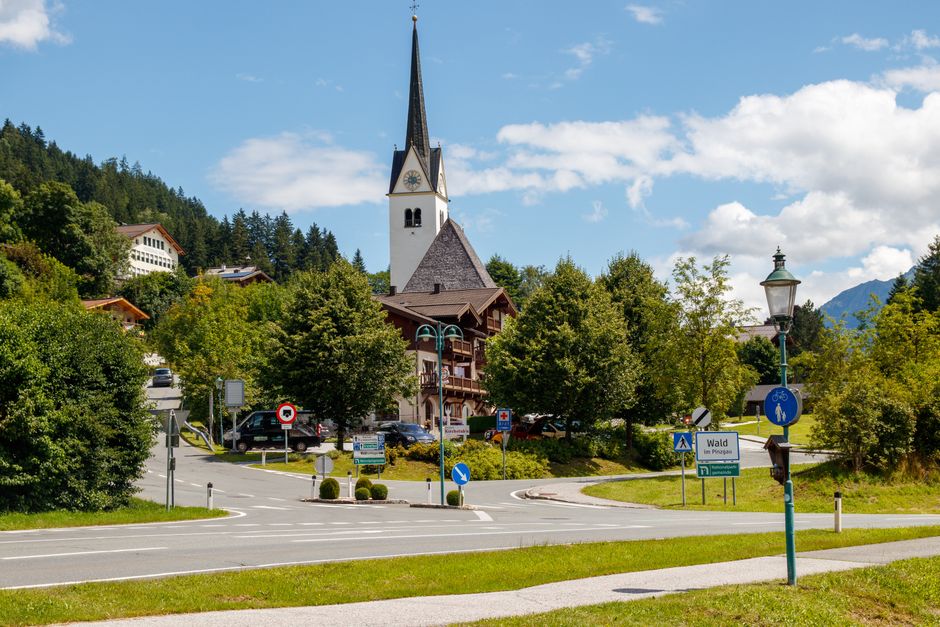
Museum Kitzbühel
The Museum Kitzbühel, in a 16th-century granary in the old town, tells the history of the town, from Bronze Age copper mining to the silver mining boom and the rise of skiing, with exhibits on the Hahnenkamm Race, local ski heroes, such as Toni Sailer, and the painter Alfons Walde, whose paintings of skiers and Tyrolean landscapes are famous. The rooftop terrace offers views over the town. Tickets cost about €8–10. Allow about one hour. It is a good option on a rainy day.

Wilder Kaiser
The Wilder Kaiser, a dramatic limestone mountain range north of Kitzbühel, with peaks over 2,300 m, is popular for hiking, climbing and via ferrata routes in summer. Its jagged peaks form a striking backdrop to the Kitzbühel area. The Kaisertal valley, near Kufstein, is a car-free valley with traditional farms and inns. Hiking trails range from easy walks to challenging climbs. Entry is free. Bring hiking boots, water and a map, and check the weather. The SkiWelt ski area lies at its foot in winter.
3S-Bahn Cable Car
The 3S-Bahn, opened in 2004, is a three-cable gondola connecting the Pengelstein and the Wurzhöhe across the Saukaser valley, about 2.5 km long, carrying cabins about 400 m above the valley floor, one of the highest cable car spans in the world. It links the Kitzbühel and Jochberg ski areas. In summer, it is used by hikers and mountain bikers, offering spectacular views of the Kitzbühel Alps. It is included in ski passes, and summer tickets are available. Go on a clear day.
History
Kitzbühel, in the Tyrolean Alps between the Hahnenkamm and the Kitzbüheler Horn, was first mentioned around 1165 as Chizbuhel, possibly named after the Chizzo family, and the area had been inhabited since the Bronze Age, when copper was mined in the surrounding mountains. In 1271 the Duke of Bavaria granted Kitzbühel town rights, and it became a market town on trade routes between Bavaria and Italy. In the 15th and 16th centuries, silver and copper mining brought great wealth, and Kitzbühel became one of the richest towns in Tyrol, with elegant houses and churches. In 1504 Emperor Maximilian I took Kitzbühel from Bavaria and made it part of Tyrol. When mining declined, the town became a quiet farming community. Skiing arrived in 1893, when Franz Reisch, a local, read about skiing in Norway and became the first person to ski down the Kitzbüheler Horn. The first ski race took place in 1895, and the Hahnenkamm Race began in 1931, becoming one of the world's most famous downhill races. In the 20th century, Kitzbühel attracted royalty, aristocrats and celebrities, such as the Prince of Wales, later Edward VIII, and Hollywood stars. Today about 8,200 people live in the town.
Culture
Kitzbühel is one of the world's most famous and glamorous ski resorts, combining a medieval town centre of colourful houses with painted façades, cobbled streets and church towers, with luxury shops, fine restaurants and lively après-ski bars. Its culture is shaped by Tyrolean traditions and a long history of winter sports. The Hahnenkamm Race, held each January since 1931 on the Streif, one of the most dangerous downhill courses, is the highlight of the year, attracting about 85,000 spectators and celebrities, with parties throughout the town. Local heroes include Toni Sailer, who won three gold medals at the 1956 Winter Olympics. The town's symbol is the chamois, Gams, and Kitzbühel is nicknamed Gamsstadt, the chamois town. Tyrolean traditions remain strong, with brass bands, traditional costumes, Tracht, worn on special occasions, and festivals, such as the Almabtrieb in autumn. In summer, Kitzbühel is a destination for hiking, mountain biking and golf, with several golf courses, and it hosts the Generali Open tennis tournament. The region's farms produce cheese, butter and meat, sold in local shops. The town has a relaxed elegance, with a mix of local families, international visitors and wealthy second-home owners.
Climate
Spring
-3–15°C
March and April bring sunny spring skiing, with 5–12°C days and good snow on higher slopes, and the season usually ends …
Summer
9–24°C
June to August is mild, with 18–24°C days and cool nights, ideal for hiking, mountain biking, golf and swimming in the S…
Autumn
0–17°C
September and October bring 8–17°C days, golden forests, clear views and the Almabtrieb, when cattle decorated with flow…
Winter
-9–3°C
December to February is cold, with -4 to 3°C days and snow, though Kitzbühel's slopes are relatively low, so snowmaking …
Fun Facts
The world's most dangerous downhill
The Streif, on the Hahnenkamm, is one of the most famous and dangerous downhill courses in the world, about 3.3 km long,…
A local who copied Norway
In 1893 Franz Reisch, a resident of Kitzbühel, read Fridtjof Nansen's book about crossing Greenland on skis, ordered a p…
An Olympic hero
Toni Sailer, born in Kitzbühel in 1935, won all three alpine skiing gold medals, downhill, slalom and giant slalom, at t…
A warm bog lake
The Schwarzsee, a small lake just outside Kitzbühel, is a moor lake whose dark, mineral-rich waters warm up quickly in s…
Wealth from silver and copper
In the 15th and 16th centuries, silver and copper mining in the mountains around Kitzbühel made the town one of the rich…
A cable car ride over 400 m above the ground
The 3S-Bahn cable car, opened in 2004, connects the Pengelstein and the Wurzhöhe across the Saukaser valley, about 2.5 k…
Local Cuisine in Kitzbühel

Tiroler Gröstl
Fried potatoes with onions and pieces of pork or beef, seasoned with marjoram and caraway and topped with a fried egg, a hearty Tyrolean dish served in mountain huts and inns. It is a favourite lunch on the slopes. A portion costs about €14–18, perfect for refuelling after a morning of skiing.

Kaspressknödel
Flattened cheese dumplings made with bread, mountain cheese, eggs and herbs, fried until golden and served in clear beef broth or with sauerkraut and salad. They are a typical Tyrolean dish, found in mountain huts and inns. A portion costs about €10–15, a comforting meal on cold days. Ask locals for their favourite place to try it.

Fine Dining
Kitzbühel has many high-end restaurants, some with Gault&Millau toques, serving refined Alpine and international cuisine using local ingredients, such as Tyrolean beef, lamb, venison and mountain cheese. Restaurants in historic houses and mountain huts offer gourmet menus. A tasting menu costs about €100–200 per person. Book well in advance in winter.
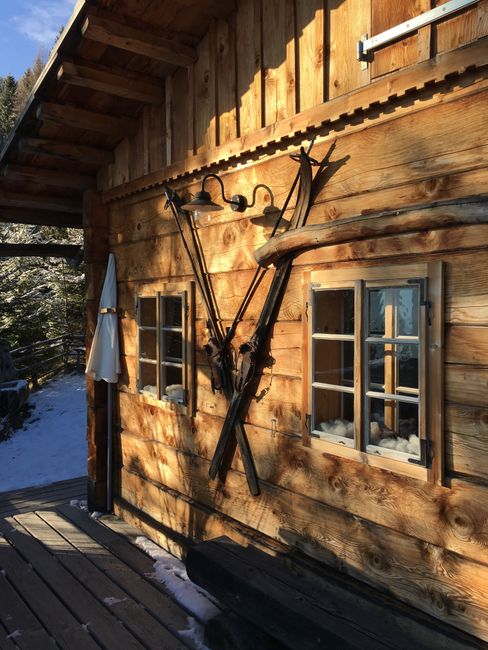
Kaiserschmarrn
A fluffy, caramelised shredded pancake with raisins, dusted with icing sugar and served with plum compote or apple sauce, the most popular dessert in Kitzbühel's mountain huts, often enough to share. A portion costs about €12–16. Enjoy it on a sunny terrace with views of the Wilder Kaiser. Ask locals for their favourite place to try it.
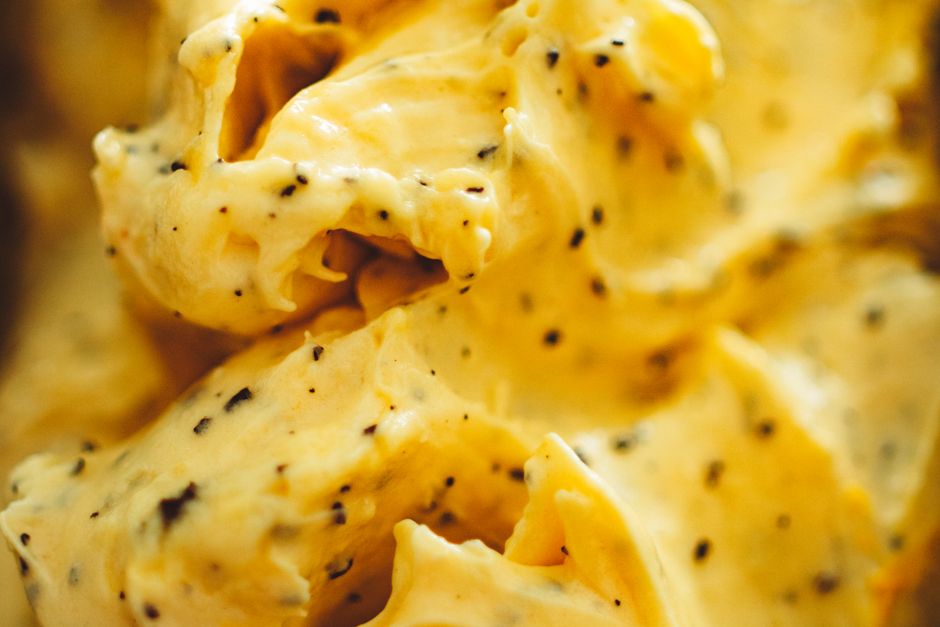
Tyrolean Cheese and Speck
Local farms produce mountain cheeses, such as Tiroler Bergkäse and Graukäse, a sour, low-fat grey cheese, and Tiroler Speck, smoked ham, served on wooden boards, Brettljause, with bread and pickles. Shops and markets in Kitzbühel sell them. A board costs about €14–20. Buy them as souvenirs. Ask locals for their favourite place to try it.

Après-Ski Drinks
Kitzbühel's après-ski bars, such as those at the bottom of the Hahnenkamm, serve Glühwein, mulled wine, Jagertee, tea with rum, schnapps and champagne, with live music and dancing. The atmosphere is lively, especially during the Hahnenkamm Race. A Glühwein costs about €6–8, and a beer about €5–7. Ask locals for their favourite place to try it.
Practical Travel Information
Transport & Accessibility
International Transport
Kitzbühel has no airport. The nearest airports are Innsbruck, about 1.5 hours away, Salzburg, about 1 hour 15 minutes, and Munich, about 2 hours. Airport shuttles and transfers run in winter. Kitzbühel railway station, on the line between Wörgl and Zell am See, has trains to Innsbruck in about 1.5 hours and Salzburg in about 2.5 hours, with connections to Vienna and Munich. By car, Kitzbühel is reached via the Inntal motorway and the Pass Thurn road. A vignette is required on Austrian motorways.
Local Transport
Kitzbühel's old town is compact and walkable, and the Hahnenkamm cable car starts at the edge of the town. In winter, free ski buses connect the town with the lifts and nearby villages. In summer, guests with the KitzAlps card can use local buses and lifts for free or at discounts. Taxis are available. Trains stop at Kitzbühel, Kitzbühel Hahnenkamm and Schwarzsee stations. Renting a car is useful for exploring the region, though parking in the centre is limited and expensive. Bike rental is popular in summer.
Safety & Health
Personal Safety
Kitzbühel is very safe, with very low crime rates. The main risks are related to skiing and the mountains: ski within your ability, wear a helmet, follow the slopes' rules and never go off-piste without proper equipment and a guide, checking avalanche warnings. In summer, check the weather before hiking, start early to avoid thunderstorms and stay on marked trails. During the Hahnenkamm Race, the town is extremely crowded, and drinking is common, so keep valuables secure. Make sure your insurance covers skiing and mountain rescue. In an emergency, call 112 or 140 for mountain rescue.
Medical Services
Kitzbühel has a small hospital, the Krankenhaus St Johann, about 10 km away, with an emergency department and specialists in winter sports injuries, and private doctors and clinics in town experienced with ski injuries. For serious problems, patients may be transferred to Innsbruck. EU citizens can use the European Health Insurance Card, but private clinics may charge, so travel insurance with skiing and rescue cover is essential. Pharmacies are in the town centre. Tap water is excellent and safe to drink.
Budget & Costs
Travel Costs
Kitzbühel is one of the most expensive resorts in Austria. A guesthouse room costs about €100–180, a mid-range hotel €180–300 and a luxury hotel from €400 per night in winter, with much higher prices during the Hahnenkamm Race. A lunch in a mountain hut costs about €18–30, and dinner at a mid-range restaurant €35–60 per person. A day ski pass costs about €70–80, a week pass €350–420, ski rental €40–60 per day and a summer cable car ticket €30–40. A mid-range traveller should budget about €200–350 per day in winter.
Budget Tips
Stay in nearby villages, such as Kirchberg, Jochberg, Aurach or St Johann in Tirol, which are cheaper than Kitzbühel. Visit in early December, January or March, outside the busiest periods, for lower prices. Buy multi-day ski passes, which are cheaper per day. Bring snacks to the slopes, and eat in mountain huts rather than upscale restaurants. Visit in summer, when prices are lower and the KitzAlps card includes free lifts and buses. Walking is free and often the best way to explore.
Culture & Traditions
Social Norms
Kitzbühel is relaxed but stylish, and locals value politeness and traditions. Greet people with Grüß Gott or Servus. On the slopes, follow the FIS rules of conduct, such as giving way to skiers below you. In mountain huts, sharing tables is common. Tip about 5–10% by rounding up. Dress smart casual in upscale restaurants. Respect quiet hours in residential areas. In saunas, nudity is common and swimwear is often not allowed. On hiking trails, greet other hikers. A few words of the local language are always appreciated.
Cultural Activities
Watch the Hahnenkamm Race in January. Visit the Museum Kitzbühel and see paintings by Alfons Walde. Attend the Generali Open tennis tournament in summer. Watch the Almabtrieb in autumn. Listen to brass band concerts in the town in summer. Visit the Christmas market in the old town. Attend the Kitzbühel Snow Polo World Cup in January. Explore the Alpine Garden on the Kitzbüheler Horn. Play golf on one of the area's courses. Visit local farms to see cheese making. Check local listings for free events during your stay.
Unique Experiences in Kitzbühel
Watch the Hahnenkamm Race in January, standing at the finish area or along the Streif as racers fly down the world's most dangerous downhill at about 140 km/h, then join the parties in town. Tickets cost about €20–60 per day. Book accommodation many months in advance.
Hike down the Streif in summer, the legendary downhill course, from the Hahnenkamm top station, experiencing the steep Mausefalle section, about 85% gradient, and understanding why racers fear it. It is free, plus the cable car about €30–40. Wear sturdy hiking boots, and take your time.
Ski across the KitzSki area, about 230 km of slopes, riding the 3S-Bahn cable car, about 400 m above the valley floor, between the Pengelstein and the Wurzhöhe, with views of the Kitzbühel Alps. Day passes cost about €70–80. Go on a sunny day, and stop at a mountain hut for lunch.
Swim in the Schwarzsee, a warm moor lake reaching about 24–27°C in summer, with views of the Wilder Kaiser, then walk around the lake and have dinner at the lakeside restaurant. Entry to the lido costs about €5–8. Visit in the late afternoon, when the light is golden.
Explore the Alpine Garden on the Kitzbüheler Horn, with about 400 species of Alpine plants, such as edelweiss and gentians, at about 1,880 m, with views of the Grossglockner and the Wilder Kaiser. It is free with the cable car ticket. Visit from June to September, when the flowers are in bloom.
Travel Recommendations for Kitzbühel
Book accommodation many months in advance if you plan to visit during the Hahnenkamm Race in January, Christmas, New Yea…
Buy multi-day ski passes for the KitzSki area, which are cheaper per day and include free ski buses. Book ski rental and…
Visit Kitzbühel in summer for hiking, mountain biking, golf and swimming, with lower prices and fewer crowds. Many hotel…
Explore the medieval old town, with its colourful houses, churches and the Jochberger Tor, and visit the Museum Kitzbühe…
Respect mountain safety rules, check avalanche warnings in winter and weather forecasts in summer, ski and hike within y…