Hallstatt
Updated October 19, 2026
Also known as: Hallstadt, Salzkammergut village
Main Landmarks in Hallstatt

Hallstatt Village and Viewpoint
Hallstatt's village centre, around the Marktplatz, has pastel wooden houses, flower-covered balconies, narrow lanes and a Trinity column, with the Protestant church spire on the lakeshore. The famous postcard view, with the church and houses reflected in the lake and mountains behind, is from a viewpoint on the road north of the village, near the Gosaumühle. Entry is free. Visit early in the morning, before 9:00, or in the evening, when day-trippers have left. Respect residents' privacy, and do not enter private gardens or fly drones.
Salzwelten Salt Mine
The Salzwelten Hallstatt salt mine, about 7,000 years old, one of the oldest in the world, is reached by a funicular from Lahn to the Rudolfsturm, followed by a short walk. Guided tours of about 1.5 hours lead through tunnels, with two wooden miners' slides, including one of about 64 m, an underground salt lake with light shows and exhibits about prehistoric miners. Tickets, including the funicular, cost about €45–50. Wear warm clothing, as it is about 8°C inside. It is open from about April to November. Book online in advance.
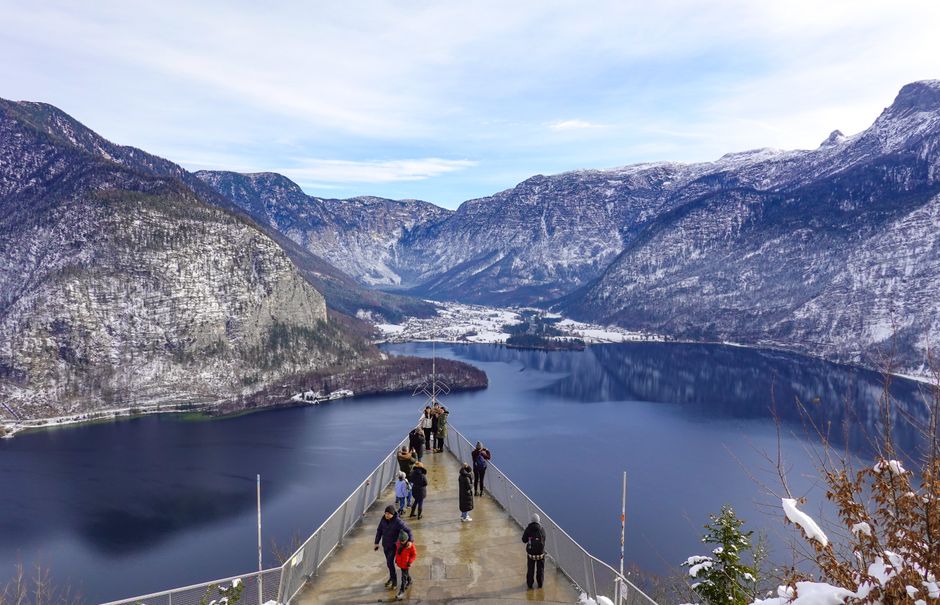
Hallstatt Skywalk
The Hallstatt Skywalk, World Heritage View, is a viewing platform about 360 m above the village, next to the Rudolfsturm, near the upper station of the salt mine funicular. It extends over the cliff, offering a spectacular view over Hallstatt's rooftops, the lake and the Dachstein mountains. A restaurant at the Rudolfsturm, a medieval tower, offers views from its terrace. The funicular costs about €22 return without the mine tour. Visit on a clear morning, and combine it with the salt mine or a hike down.

Beinhaus (Bone House)
The Beinhaus, in the St Michael's Chapel next to the Catholic Parish Church on a hill above the village, displays about 1,200 skulls, about 600 of them painted with names, dates and decorations, a tradition from the 18th century, when lack of space in the small cemetery forced bones to be exhumed. The Catholic church, with Gothic winged altars from the 15th century, and the cemetery, with views over the lake, are also worth visiting. Entry to the Beinhaus costs about €2–3. Visit respectfully, and keep quiet.

Dachstein Five Fingers and Ice Caves
The Dachstein Krippenstein cable car, in nearby Obertraun, about 5 km from Hallstatt, leads to the Dachstein Giant Ice Cave and the Mammoth Cave, and to the 5fingers viewing platform, five steel fingers extending over a cliff about 400 m above the valley, with views over the Hallstätter See and the Alps. The ice cave has frozen waterfalls and ice formations. Combined tickets cost about €50–70. Bring warm clothing, as the ice cave is about 0°C. It is open from about May to October. Go early, and check the weather.

Hallstatt Museum
The Hallstatt Museum, in the village centre, tells the history of Hallstatt and salt mining over about 7,000 years, from prehistoric miners and the Hallstatt culture to the Celts, Romans and the modern village. Exhibits include finds from the prehistoric cemetery, tools, jewellery and reconstructions. It is a good introduction before visiting the salt mine. Tickets cost about €12–15. Allow about one hour. It is a good option on a rainy day. Opening hours are shorter in winter. Allow extra time in the high season.
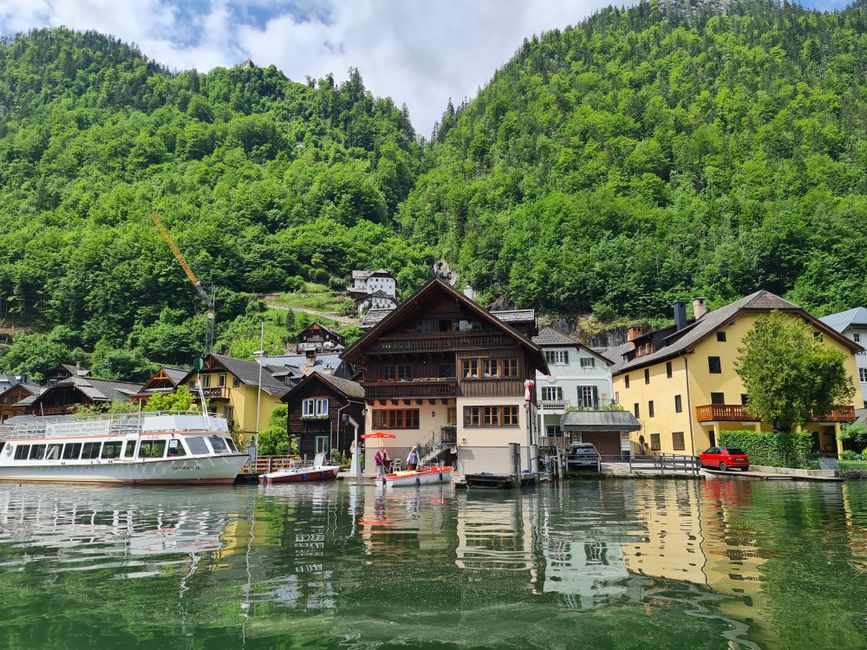
Lake Hallstatt Boat Ride
The Hallstätter See, a lake about 8 km long at the foot of the Dachstein mountains, can be explored by ferry, which connects Hallstatt with the railway station at Hallstatt Bahnhof, on the opposite shore, in about 10 minutes, offering one of the most beautiful views of the village. Visitors can also rent electric boats, rowing boats or pedal boats, or take a lake cruise. The ferry costs about €3–4 each way, and boat rentals about €15–30 per hour. Take the ferry when arriving by train for a dramatic first view.

Echern Valley and Waldbachstrub Waterfall
The Echern Valley, Echerntal, behind Hallstatt, is a peaceful valley with forest trails leading to the Waldbachstrub waterfall, a powerful waterfall fed by the Dachstein glaciers, and the Gletschergarten, a glacier garden with rocks shaped by ice. The walk from the village takes about one hour each way along a gentle path. It offers a quiet escape from the crowds of the village centre. Entry is free. Wear comfortable shoes, and bring water. It is especially impressive after rain or in spring, when snow melts.
History
Hallstatt, a village on the western shore of the Hallstätter See in the Salzkammergut, has been inhabited for about 7,000 years thanks to its salt deposits, making its salt mine one of the oldest in the world. Prehistoric miners dug tunnels deep into the mountain, and the salt preserved tools, clothing and even a leather backpack about 3,000 years old. In the 19th century, archaeologists excavated a large prehistoric cemetery in the High Valley above the village, with more than 1,000 graves rich in bronze, iron, gold and amber objects, which gave its name to the Hallstatt culture, from about 800 to 450 BC, an important period of the European Iron Age. The Celts and Romans also mined salt here. In the Middle Ages, the Habsburgs controlled the salt trade, which brought great wealth to the region, and in 1311 Hallstatt received market rights. Salt was transported by boat and through a wooden brine pipeline, built in 1595, considered one of the oldest pipelines in the world. Until the road was built in 1890, the village could only be reached by boat or narrow paths. In 1997 the region became part of the Hallstatt-Dachstein/Salzkammergut UNESCO site. Today only about 750 people live in the village.
Culture
Hallstatt is a tiny village squeezed between a steep mountain and a lake, with pastel wooden houses, flower-covered balconies, narrow lanes and church spires reflected in the water, and it is often described as one of the most beautiful villages in the world. Life in Hallstatt was shaped for thousands of years by salt mining, and miners' traditions, such as brass bands and processions, continue today. Because land is scarce, the village's cemetery is very small, and from the 18th century bones were exhumed after about 10–20 years, cleaned, decorated and placed in the Beinhaus, the bone house, where about 600 painted skulls are displayed, decorated with names, dates and flowers. Catholic traditions are strong, with the Corpus Christi procession on boats on the lake, a custom dating back to 1623. The village gained huge popularity in Asia, and in 2012 a replica of Hallstatt was built in Guangdong, China. The village has struggled with overtourism, with up to 10,000 visitors a day in peak periods compared with about 750 residents, leading to measures such as limiting tour buses and asking visitors to respect residents' privacy. The surrounding Salzkammergut region is known for lakes, mountains, folk music and traditional costumes.
Climate
Spring
0–17°C
March to May brings cool 8–17°C days, snow on the surrounding peaks and blossoming meadows, with fewer tourists than sum…
Summer
11–25°C
June to August is mild, with 20–25°C days, frequent afternoon showers and the busiest crowds, especially from tour group…
Autumn
1–18°C
September to November brings 6–18°C days, golden forests, morning mist on the lake and fewer crowds after mid-September.…
Winter
-6–3°C
December to February is cold, with -2 to 3°C days and snow covering the village and mountains, creating a fairy-tale atm…
Fun Facts
One of the world's oldest salt mines
Salt has been mined in Hallstatt for about 7,000 years, making the Salzwelten Hallstatt salt mine one of the oldest in t…
A culture named after the village
In 1846 the mine official Johann Georg Ramsauer began excavating a prehistoric cemetery in the High Valley above Hallsta…
A house of 600 painted skulls
The Beinhaus, the bone house, in the small chapel next to the Catholic church, displays about 1,200 skulls, about 600 of…
A copy of the village in China
In 2012 a Chinese mining company built a replica of Hallstatt in Huizhou, in Guangdong province, copying the village's h…
One of the oldest pipelines in the world
In 1595 a wooden pipeline about 40 km long was built to transport brine, salt water, from Hallstatt to Ebensee, where th…
A lake procession since 1623
Each year on Corpus Christi, in May or June, Hallstatt holds a procession on the lake, a tradition since 1623, in which …
Local Cuisine in Hallstatt
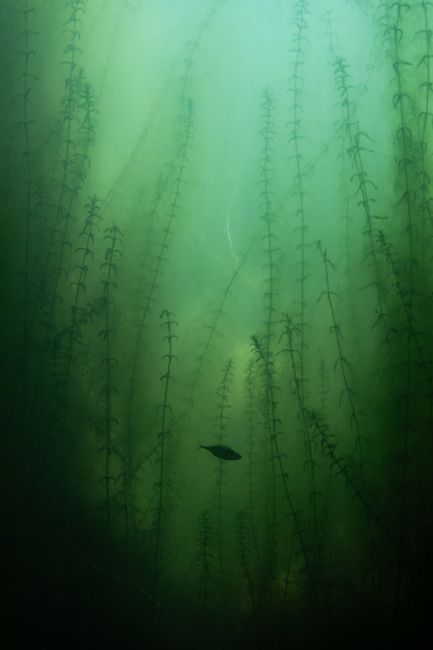
Reinanke and Char from the Lake
Fresh fish from the Hallstätter See, especially Reinanke, a whitefish, and Saibling, Arctic char, are local specialities, served grilled, fried, smoked or on a stick, Steckerlfisch, grilled over an open fire. Restaurants on the lakeshore and the local fishermen serve them. A fish dish costs about €18–28, and smoked fish is sold by local producers.
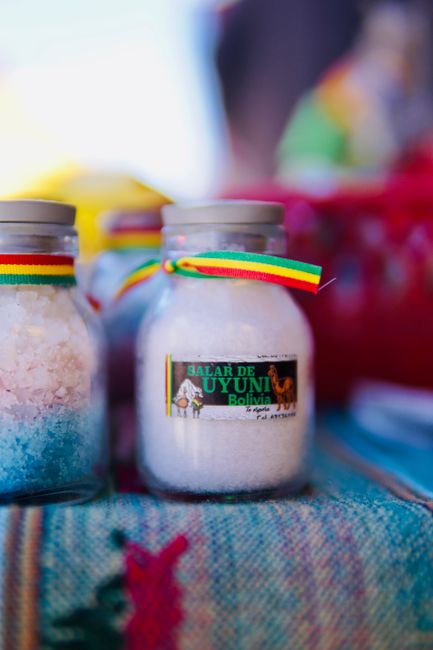
Hallstatt Salt
Salt from the Hallstatt mine, used for thousands of years, is sold in shops in the village as a souvenir, in jars, mixed with herbs, flowers or spices, and in decorative containers. It is used in local dishes and bread. A jar costs about €5–15. The salt shop in the village also sells bath salts and salt lamps.

Kaiserschmarrn
A fluffy, caramelised shredded pancake with raisins, dusted with icing sugar and served with plum compote, a classic Austrian dessert served in Hallstatt's cafés and mountain huts. It is often enough for two people. A portion costs about €10–15, a sweet treat after a hike to the waterfall or the salt mine.

Salzkammergut Krapfen
Krapfen, doughnuts filled with apricot jam, are popular in Austria, and the Salzkammergut has its own traditions, such as Bauernkrapfen, flat fried doughnuts, sometimes served with jam or sauerkraut. Bakeries and cafés in Hallstatt sell them. A Krapfen costs about €2–4, ideal with coffee. Ask locals for their favourite place to try it.

Schnitzel and Austrian Classics
Restaurants in Hallstatt serve Austrian classics, such as Wiener Schnitzel, goulash with dumplings and Tafelspitz, often with lake views. Prices are higher than elsewhere due to tourism and the small number of restaurants. A schnitzel costs about €18–26. Book a table in summer, as restaurants fill up quickly. Ask locals for their favourite place to try it.

Coffee and Strudel
Cafés in Hallstatt serve coffee and Austrian cakes, such as Apfelstrudel, Sachertorte and Linzer Torte, on terraces overlooking the lake. A coffee costs about €4–5, and a slice of cake about €5–7. Visit in the morning or late afternoon, when the terraces are quieter, and enjoy the view of the lake and mountains.
Practical Travel Information
Transport & Accessibility
International Transport
Hallstatt has no airport. The nearest airports are Salzburg Airport, about 1.5 hours away by car, Linz, about 1.5–2 hours, and Vienna, about 3.5–4 hours. Trains on the Salzkammergut line connect Hallstatt station, on the eastern shore of the lake, with Attnang-Puchheim, on the Vienna–Salzburg line, and Bad Ischl, with a ferry crossing to the village. Buses from Salzburg reach Hallstatt via Bad Ischl, with a change at Bad Ischl or Gosaumühle. Tour buses from Salzburg and Vienna also run day trips.
Local Transport
Hallstatt is tiny and best explored on foot, as the village centre is closed to cars, except for residents. Visitors arriving by car must park in the car parks outside the village, P1 and P2, connected by short walks or shuttle buses in summer. The ferry connects the village with the railway station across the lake. The salt mine funicular leaves from Lahn, at the southern end of the village. Buses connect Hallstatt with Obertraun, for the Dachstein cable car, Gosau and Bad Ischl. Boats can be rented on the lake.
Safety & Health
Personal Safety
Hallstatt is very safe, with very low crime rates. The main risks are related to crowds and nature: the narrow lanes and the lakeshore can be very crowded, so be careful, especially with children. When hiking in the mountains or visiting the Dachstein caves, wear sturdy shoes, bring warm clothing and check the weather, as conditions can change quickly. Paths can be slippery when wet or icy. The lake is cold, even in summer. Rockfalls can occur on mountain paths, so follow signs. In an emergency, call 112.
Medical Services
Hallstatt has a doctor's practice and a pharmacy, but for serious problems, patients are taken to hospitals in Bad Ischl, about 20 km away, or Salzburg. EU citizens can use the European Health Insurance Card, while others need travel insurance, especially for hiking and mountain activities. For non-urgent medical advice, call 1450. Tap water is excellent and safe to drink. Bring any personal medicines, as the village pharmacy may have limited stock. Carry your insurance details and any personal medicines.
Budget & Costs
Travel Costs
Hallstatt is expensive due to its popularity and limited accommodation. A guesthouse room costs about €100–180, a hotel €150–300 per night, and prices rise in summer. A coffee costs about €4–5, a snack €5–10, a lunch €15–25 and dinner at a lakeside restaurant €30–50 per person. The salt mine with funicular costs about €45–50, the funicular alone about €22, the Beinhaus about €2–3, the Hallstatt Museum €12–15, the ferry €3–4 and the Dachstein attractions €50–70. A mid-range traveller should budget about €150–250 per day.
Budget Tips
Stay in nearby villages, such as Obertraun, Gosau or Bad Goisern, which are cheaper and quieter, and visit Hallstatt early in the morning. Bring a picnic, as restaurants in Hallstatt are expensive. Walk to free attractions, such as the village, the viewpoint, the lakeshore and the Echern Valley waterfall. Use the train and ferry instead of driving, to avoid parking fees. Visit in spring or autumn for lower prices. Combine attractions with discount tickets, such as the Salzkammergut Card. Walking is free and often the best way to explore.
Culture & Traditions
Social Norms
Hallstatt is a living village with about 750 residents, and they ask visitors to respect their privacy. Do not enter private gardens, courtyards or houses, do not fly drones and keep noise down, especially in the early morning and evening. Greet people with Grüß Gott. Respect the church, the cemetery and the Beinhaus, which are sacred places. Dress modestly in churches. Tip about 5–10% by rounding up. Do not leave litter, and follow signs and rules introduced to manage overtourism.
Cultural Activities
Watch the Corpus Christi lake procession in May or June. Visit the Beinhaus and the Gothic Catholic church. Learn about prehistoric salt mining at the Hallstatt Museum and the salt mine. Listen to brass band concerts in summer. Visit the Advent market in December. Explore the Salzkammergut's folk traditions, such as costumes and music. Visit nearby Bad Ischl, the summer residence of Emperor Franz Joseph, with the Kaiservilla. Hike the Soleweg, along the historic brine pipeline. Take a boat on the lake.
Unique Experiences in Hallstatt
Arrive in Hallstatt by train and ferry, crossing the lake from Hallstatt station for one of the most spectacular first views of the village, with its houses and church spire against the mountains. The ferry costs about €3–4. Take an early ferry to arrive before the tour buses.
Tour the 7,000-year-old salt mine, sliding down wooden miners' slides, seeing an underground salt lake and learning about prehistoric miners, then enjoy the view from the Skywalk platform. Tickets cost about €45–50. Book online, and wear warm, comfortable clothes. Book ahead in the high season.
Stand on the 5fingers viewing platform on the Krippenstein, about 400 m above the valley, with breathtaking views over the Hallstätter See, then explore the Dachstein Giant Ice Cave, with frozen waterfalls. Combined tickets cost about €50–70. Go on a clear morning, and bring warm layers.
Visit the Beinhaus, the bone house, with about 600 painted skulls, a tradition born from the lack of space in the small cemetery, and explore the Catholic church and its lakeside cemetery. Entry costs about €2–3. Visit respectfully and quietly, early in the day.
Rent an electric boat or rowing boat on the Hallstätter See, gliding across the calm water for views of the village, the mountains and the waterfalls, away from the crowds on land. Rentals cost about €15–30 per hour. Go in the early morning or at sunset for the most beautiful light.
Travel Recommendations for Hallstatt
Stay overnight in Hallstatt or nearby villages, such as Obertraun, to enjoy the village early in the morning and in the …
Respect residents' privacy and the village's rules, as Hallstatt has struggled with overtourism. Do not enter private pr…
Arrive by train and ferry rather than by car or tour bus. The train journey along the Salzkammergut line is scenic, the …
Combine Hallstatt with other attractions of the Salzkammergut, such as the Dachstein ice caves and 5fingers, the lakes o…
Bring a rain jacket and warm layers, as the weather in the Salzkammergut can change quickly, with frequent rain, and the…