Germany
Updated October 19, 2026
Germany, in the centre of Europe, is a federal country of 16 states and about 84 million people, the most populous in the European Union. It combines vibrant cities, such as Berlin, Munich and Hamburg, with fairy-tale castles, medieval towns, Gothic cathedrals and the vineyards of the Rhine and Mose…
Popular Cities in Germany
Must-See Places in Germany
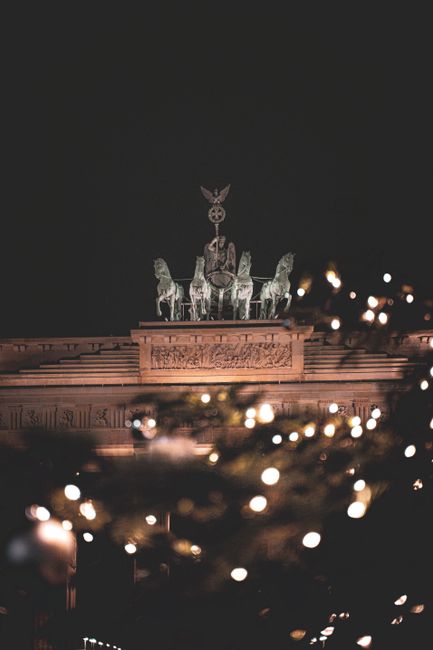
Brandenburg Gate
The Brandenburg Gate, completed in 1791, is Berlin's most famous landmark and a symbol of German unity. During the Cold War, it stood in the no man's land next to the Berlin Wall, and after the Wall fell in 1989, it became the site of celebrations. It is free to visit day and night. Visit at night, when it is lit, and walk to the Reichstag nearby.

Neuschwanstein Castle
Neuschwanstein Castle, built from 1869 for King Ludwig II of Bavaria on a rocky hill above the Pöllat gorge, is one of the most famous castles in the world, with white limestone walls, towers and lavish interiors inspired by Wagner's operas. Tickets cost about €21 and must be booked online for a timed slot. View the castle from the Marienbrücke bridge.
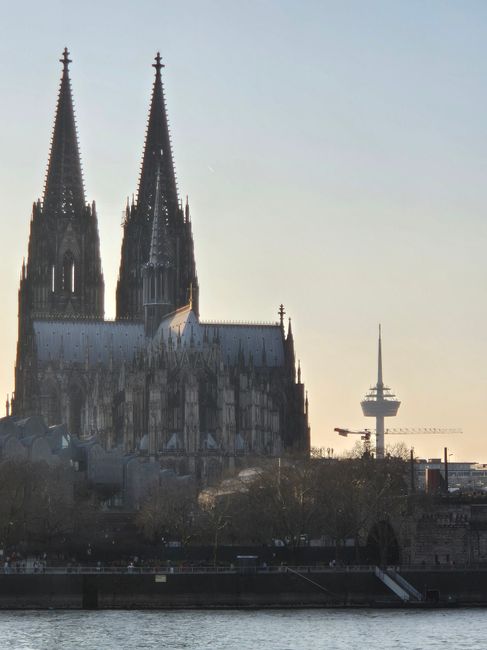
Cologne Cathedral
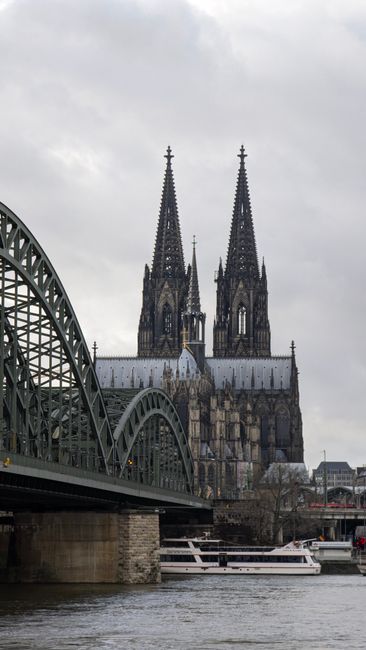
Cologne Cathedral, begun in 1248 and completed in 1880, is one of the largest Gothic cathedrals in the world and a UNESCO site, with twin spires 157 m tall. It houses the Shrine of the Three Kings, a golden reliquary. Entry is free. Climb 533 steps to the south tower viewing platform for about €6, and visit early in the morning before crowds.

Marienplatz and the Glockenspiel
Marienplatz, Munich's central square since 1158, is dominated by the neo-Gothic New Town Hall, whose Glockenspiel re-enacts a 16th-century royal wedding and a coopers' dance with 32 life-size figures at 11:00 and 12:00, and also at 17:00 in summer. Climb the tower of St Peter's Church nearby for views. Arrive a few minutes early for a good spot.
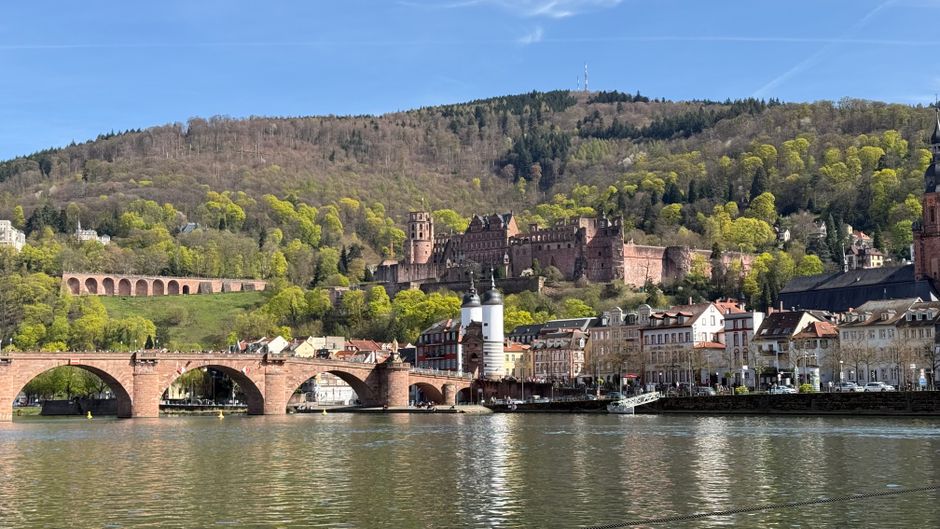
Heidelberg Castle
Heidelberg Castle, a red sandstone ruin above the Neckar River, was a residence of the Electors Palatine and was destroyed by French troops in the late 17th century. It became a symbol of German Romanticism. It holds the Heidelberg Tun, one of the largest wine barrels in the world. Tickets cost about €9–11, including the funicular. Walk the Philosophers' Way for views.

Elbphilharmonie
The Elbphilharmonie, opened in 2017 on top of a former warehouse in Hamburg's harbour, is a concert hall with a wave-shaped glass roof and some of the best acoustics in the world. Its public Plaza, 37 m high, offers views over the port and the city, free with a timed ticket or about €3 when booked online. Book concerts months in advance, as they often sell out.

Frauenkirche Dresden
The Frauenkirche in Dresden, a Baroque Lutheran church completed in 1743, collapsed after the Allied bombing of February 1945 and remained a pile of ruins for nearly 50 years. It was rebuilt between 1994 and 2005, using many original stones, and has become a symbol of reconciliation. Entry is free outside services. Climb the dome for views over the Elbe.

Rothenburg ob der Tauber Old Town
Rothenburg ob der Tauber, on the Romantic Road in Bavaria, is one of Germany's best-preserved medieval towns, with complete city walls, half-timbered houses and cobbled streets. The Plönlein, a small square with a yellow house between two towers, is one of the most photographed places in Germany. Walk the walls for free, and join the Night Watchman's tour in the evening.
Must-Visit Attractions in Germany
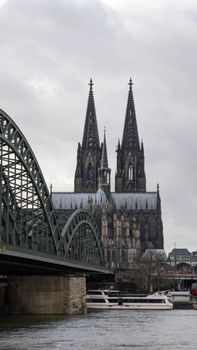
Cologne, on the Rhine, founded by the Romans in AD 50 as Colonia, is o
The city has twelve Romanesque churches, Roman remains in the Romano-Germanic Museum and the Museum Ludwig, with works by Picasso and Warhol. Cologne is famous for its Carnival, which peaks in February with parades and street parties, and for Kölsch, a light beer served in small glasses in traditional brewhouses. The Chocolate Museum on the Rhine has a chocolate fountain. Insider tip: in brewhouses, the waiter keeps bringing Kölsch until you place a coaster on your glass.
Unique Experiences in Germany
Celebrate Oktoberfest in Munich
Join millions of visitors at the world's largest beer festival, with huge beer tents, Bavarian music, traditional costumes and fairground rides on the Theresienwiese.
Explore Christmas Markets
Wander among wooden stalls selling mulled wine, gingerbread, roasted almonds and handmade decorations at Germany's famous Christmas markets, in squares lit by festive lights.
Cruise the Romantic Rhine
Sail through the Middle Rhine Valley, a UNESCO site, between Bingen and Koblenz, passing vineyards, castles and the famous Lorelei rock.
Drive the Romantic Road
Follow the Romantic Road, about 460 km from Würzburg to Füssen, through medieval towns, vineyards and Bavarian countryside, ending at Neuschwanstein Castle.
Walk Through Cold War Berlin
Trace the history of the divided city along the route of the Berlin Wall, from Checkpoint Charlie to the East Side Gallery and the Berlin Wall Memorial.
Travel Tips for Germany
Use the Deutschlandticket and Book Trains Early
The Deutschlandticket, a monthly subscription costing about €63, allows unlimited travel on regional trains, buses, tram…
Carry Cash and Learn the Rules
Although card payments are increasingly accepted, many smaller cafés, bakeries, beer gardens and Christmas market stalls…
Book Popular Sights in Advance
Book timed tickets online for popular sights such as Neuschwanstein Castle, the Reichstag dome, the Elbphilharmonie Plaz…
Respect Recycling and Bottle Deposits
Germany takes recycling seriously, with separate bins for paper, plastic, glass and general waste. Many bottles and cans…
Explore Beyond the Big Cities
Berlin, Munich and Hamburg are highlights, but Germany's medieval towns, such as Rothenburg ob der Tauber, Bamberg and Q…
Observe Etiquette and Punctuality
Germans value punctuality, so arrive on time for tours, reservations and meetings. Greet people with Guten Tag or Hallo,…
Must-Try Local Dishes

Bratwurst and Currywurst
Grilled sausages are a German staple, with regional varieties such as the small Nuremberg Rostbratwurst, served six or eight at a time on a pewter plate with sauerkraut, and Thuringian Rostbratwurst. Berlin's currywurst, a sliced pork sausage covered in curry ketchup and served with fries, was invented in 1949. A sausage in a roll costs about €3–5.

Schweinshaxe
A roasted pork knuckle with crispy crackling skin and tender meat, a Bavarian speciality served with potato dumplings, Knödel, sauerkraut or red cabbage and a dark beer gravy. It is a hearty dish found in beer halls such as the Hofbräuhaus in Munich. A portion costs about €16–24, often enough for two hungry people.
Brezel
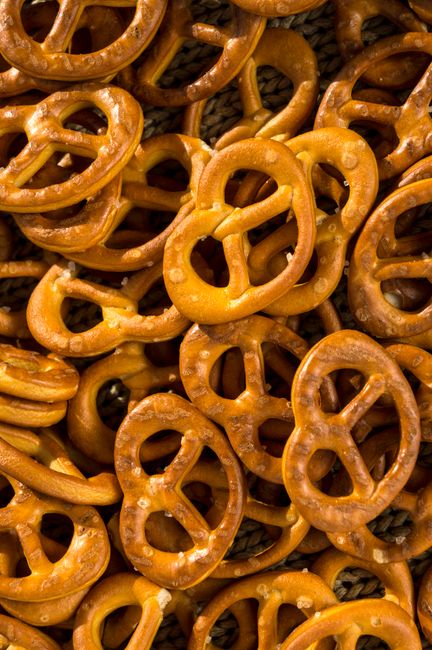
The pretzel, a twisted bread with a dark, shiny crust from being dipped in lye before baking, and sprinkled with coarse salt, is a symbol of southern German baking. In Bavaria it is eaten with Weisswurst, sweet mustard and wheat beer for a traditional second breakfast. Bakeries sell them fresh every morning. A pretzel costs about €1–2.

Sauerbraten
A pot roast of beef marinated for several days in vinegar, wine, onions and spices, then slowly braised, giving a tender, tangy meat. It is served with red cabbage, potato dumplings and a rich gravy, sometimes sweetened with raisins or gingerbread in the Rhineland. It is a classic Sunday dish. A plate costs about €15–22 in traditional restaurants.

Black Forest Cake
Schwarzwälder Kirschtorte, layers of chocolate sponge soaked in Kirschwasser, a cherry brandy, filled with whipped cream and sour cherries and decorated with chocolate shavings. It is named after the Black Forest region in the south-west, famous for its cherry brandy. Cafés across Germany serve it with coffee in the afternoon, a tradition called Kaffee und Kuchen. A slice costs about €4–6.
Spätzle
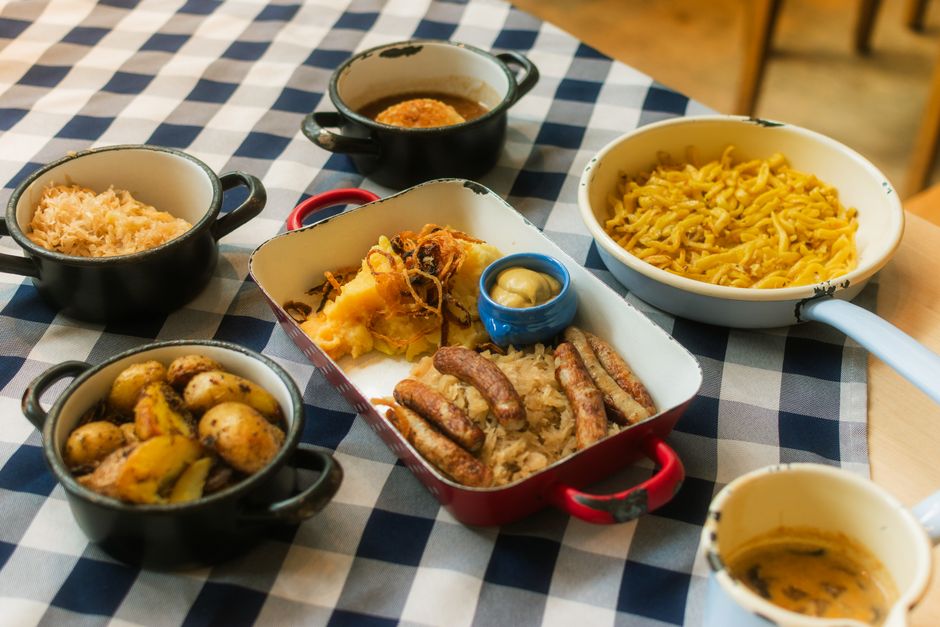
Soft egg noodles from Swabia in the south-west, made by scraping or pressing dough into boiling water. Käsespätzle, Spätzle layered with melted cheese and topped with crispy fried onions, is a German version of macaroni cheese, popular in Swabia and the Allgäu. They also accompany meat dishes with gravy. A plate costs about €10–16.

Döner Kebab
The döner kebab in bread with salad, sauce and grilled meat was popularised in Berlin by Turkish immigrants in the early 1970s and has become one of Germany's most popular fast foods, with thousands of shops across the country. It reflects the large Turkish community in Germany. A döner costs about €6–9, a filling meal at any time of day.

German Beer and Riesling
Germany is famous for its beer, from Bavarian Helles and wheat beer to Cologne's Kölsch, Düsseldorf's Altbier and Bamberg's smoked Rauchbier. It also produces excellent wines, especially Riesling from the Moselle, Rhine and Palatinate valleys. A half-litre of beer costs about €4–6, and in a beer garden a one-litre Mass about €10–15. A glass of wine costs about €5–8.
History
Germanic Tribes, Romans and the Holy Roman Empire
In ancient times, Germanic tribes lived east of the Rhine and north of the Danube, while the Romans controlled the lands to the west and south. In AD 9, the Germanic leader Arminius defeated three Roman legions in the Battle of the Teutoburg Forest, stopping Roman expansion. Roman cities such as Trier, Cologne and Augsburg still preserve Roman remains.
Charlemagne
In 800, Charlemagne, king of the Franks, was crowned emperor in Rome, and his capital at Aachen became the centre of a vast empire. Aachen Cathedral, where he is buried, is a UNESCO site.
The Holy Roman Empire
- From 962, Otto I founded what became the Holy Roman Empire, a patchwork of hundreds of states.
- Medieval cities grew rich through trade, and the Hanseatic League linked ports such as Lübeck and Hamburg.
- Gothic cathedrals, such as Cologne Cathedral, begun in 1248, rose across the land.
Visit the Porta Nigra in Trier, the best-preserved Roman city gate north of the Alps.
Climate & Best Time to Visit
Spring
2–19°C
March to May brings mild 10–19°C days, blossoming fruit trees and asparagus season, Spargelzeit, when white asparagus fi…
Summer
12–27°C
June to August is warm, with 20–27°C days, occasional heatwaves above 30°C and long evenings, ideal for beer gardens, la…
Autumn
3–20°C
September to November brings 8–20°C days, colourful forests and the wine harvest along the Rhine, Moselle and Palatinate…
Winter
-4–5°C
December to February is cold, with 0–5°C days, frost and snow, especially in the south and the mountains. Christmas mark…
Fascinating Fun Facts
More than 20,000 castles
Germany has more than 20,000 castles, palaces and castle ruins, from medieval fortresses on the Rhine to Baroque palaces…
Christmas markets began here
Germany is the home of the Christmas market tradition, which dates back to the late Middle Ages. Dresden's Striezelmarkt…
A country of bread and sausage
Germany has more than 3,000 officially registered types of bread, and German bread culture was listed as intangible cult…
The world's oldest beer law
The Reinheitsgebot, the Bavarian purity law of 1516, stated that beer could be brewed only from water, barley and hops; …
Motorways without speed limits
Germany's motorway network, the Autobahn, is famous because large stretches have no general speed limit, only a recommen…
The land of poets and thinkers
Germany is often called the land of poets and thinkers, Dichter und Denker, because of writers such as Goethe, Schiller,…
Traveler Reviews (0 reviews)
Sign in to leave a review and share your experience.
Sign InNo reviews yet. Be the first to share your experience!