Netherlands
Updated October 19, 2026
The Netherlands, in north-western Europe, on the North Sea between Belgium and Germany, is a small, flat and densely populated country, where about a quarter of the land lies below sea level, protected by dikes, dunes and pumps, and much of it has been reclaimed from the sea over centuries. About 18…


Must-See Places in Netherlands

Amsterdam Canal Ring
A UNESCO-listed ring of 17th-century canals lined with gabled houses, bridges and houseboats in the centre of Amsterdam.
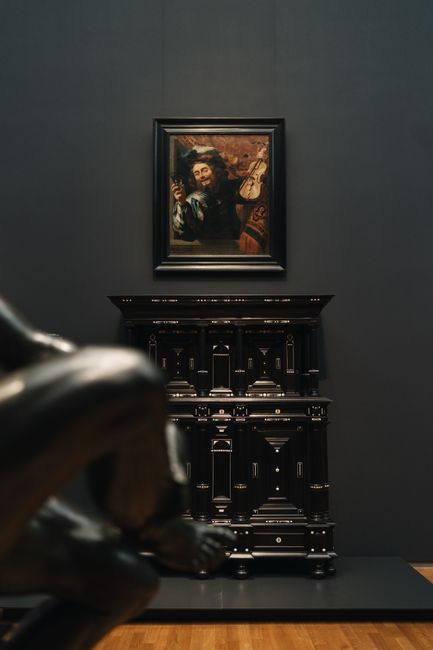
Rijksmuseum
The national museum of the Netherlands, home to Rembrandt's Night Watch and Vermeer's Milkmaid.

Markthal and Cube Houses
Rotterdam's horseshoe-shaped market hall with a giant painted ceiling, next to Piet Blom's tilted yellow cube houses.

Mauritshuis
A 17th-century mansion in The Hague displaying Vermeer's Girl with a Pearl Earring and Rembrandt's Anatomy Lesson.

Dom Tower
The tallest church tower in the Netherlands, about 112 m, with 465 steps and views over Utrecht's canals.

Kinderdijk Windmills
Nineteen 18th-century windmills along the polder canals, a UNESCO site, reached by water bus from Rotterdam.

Delft Market Square
The square between Delft's City Hall and New Church, in the town of Vermeer and Delft blue pottery.

Must-Visit Attractions in Netherlands
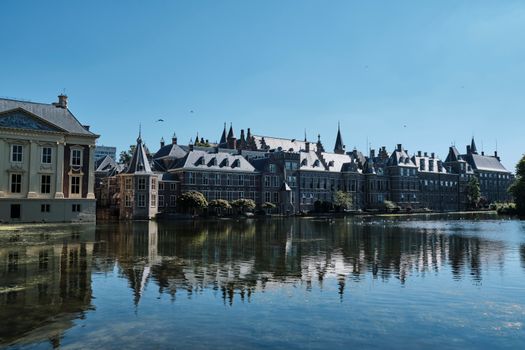
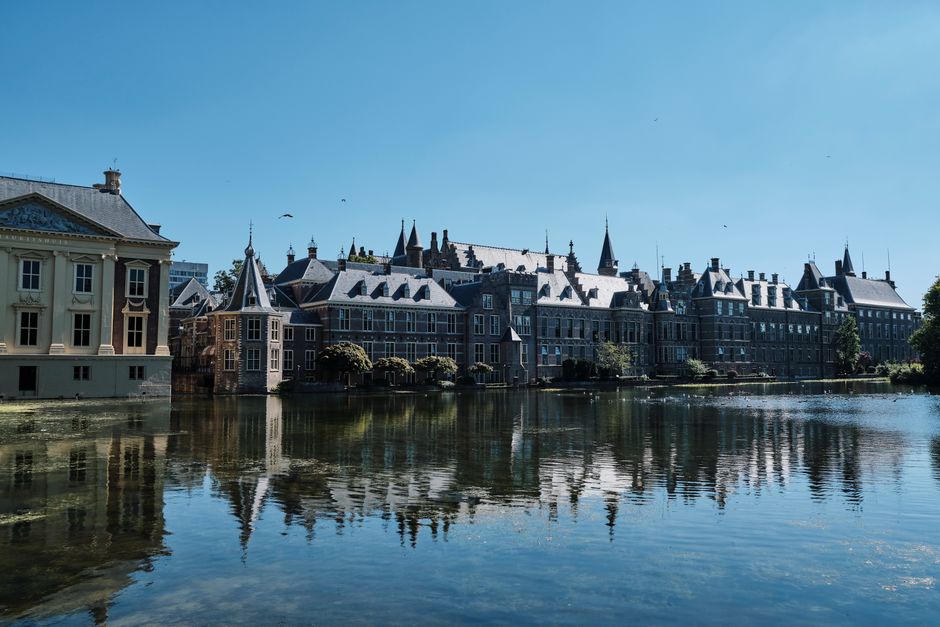
The Hague, Den Haag, the seat of the Dutch government, parliament and
Highlights include the Binnenhof, the parliament complex, with the Ridderzaal, the Mauritshuis, with Vermeer's Girl with a Pearl Earring and View of Delft, the Escher in the Palace museum, the Kunstmuseum, with the world's largest Mondrian collection, and Madurodam, a miniature park. The seaside district of Scheveningen has a long sandy beach, a pier and a Ferris wheel. Insider tip: visit the Mauritshuis early in the morning, and take tram 1 to Scheveningen for a sunset walk on the beach.

Haarlem, about 15 minutes by train west of Amsterdam, with about 165,0
Highlights include the Grote Markt, with the Great Church of St Bavo, whose Müller organ was played by Mozart at the age of 10, the Frans Hals Museum, with paintings by the Golden Age master, the Teylers Museum, the oldest museum in the Netherlands, opened in 1784, the Windmill De Adriaan and the Corrie ten Boom House, where a family hid Jews during the war. The beach of Zandvoort and the tulip fields are close by. Insider tip: explore the hidden hofjes courtyards, and visit the Saturday market on the Grote Markt.

Giethoorn, in the province of Overijssel, about 1
5–2 hours from Amsterdam, is a village with about 2,600 residents, famous for its canals, thatched-roof farmhouses and about 180 wooden bridges, where the old part of the village has no roads, so people travel by boat, bike or on foot, earning it the nickname the Venice of the North. It lies in the Weerribben-Wieden National Park, a large wetland of lakes, reed beds and forests, ideal for boating, canoeing and cycling. Visitors can rent whisper boats, electric boats, take canal tours and visit the Museum Giethoorn 't Olde Maat Uus. In winter, the canals may freeze for skating. Insider tip: visit early in the morning or in the evening, when tour groups have left, and rent a whisper boat to explore the national park.

Groningen, the main city of the north, with about 240,000 people, abou
Highlights include the Martini Tower, about 97 m tall, the symbol of the city, the Grote Markt, the Groninger Museum, a colourful postmodern building on the canal with contemporary art, the Prinsenhof garden, the Noorderplantsoen park and the Forum, a modern cultural centre with a rooftop terrace. Groningen is one of the most bike-friendly cities in the world, with a traffic plan from 1977 that divided the centre into zones accessible to cars only from the ring road. Nearby, the Wadden Sea, a UNESCO site, offers mudflat walking. Insider tip: climb the Martini Tower, and try the local mustard soup.
Unique Experiences in Netherlands
See the Tulip Fields and Keukenhof
Cycle or walk through the striped bulb fields of the Bollenstreek, between Haarlem and Leiden, and visit Keukenhof, one of the world's largest flower gardens, with about 7 million bulbs.
Cycle Like a Local
Rent a bike and explore cities, polders, dunes and dikes on the world's best cycling network, from Amsterdam's canals to the Hoge Veluwe National Park.
Canal Cruise in Amsterdam
Glide along the UNESCO-listed canals of Amsterdam on a boat, passing gabled houses, houseboats and bridges, especially beautiful at night when the bridges are lit.
Windmills of Kinderdijk
Walk or cycle among the 19 windmills of Kinderdijk, built around 1740, a UNESCO site, and climb inside a working mill to see how Dutch people kept their land dry.
King's Day Celebrations
Join millions of people dressed in orange on King's Day, 27 April, celebrating the king's birthday with street parties, music, boat parades and the country's largest flea market.
Travel Tips for Netherlands
Visit in spring for tulips
The best time to visit is from April to June, when the tulip fields and the Keukenhof gardens bloom, King's Day is celeb…
Use trains and OV-chipkaart
The Dutch railway network, run mainly by NS, is fast, frequent and covers the whole country, with trains between Amsterd…
Respect cycle lanes
Bicycles have priority in many places, and cycle lanes, often red, are not for walking. Look both ways before crossing, …
Book museums in advance
Popular museums, such as the Rijksmuseum, the Van Gogh Museum and the Anne Frank House, require timed tickets booked onl…
Go beyond Amsterdam
Amsterdam is very popular and crowded, but the Netherlands has many other cities within an hour by train: Rotterdam, for…
Bring layers and a rain jacket
The Dutch weather is changeable, with rain, wind and sun often on the same day, in any season. Bring a waterproof jacket…
Must-Try Local Dishes

Stroopwafel
A stroopwafel is two thin waffles joined by a layer of caramel syrup, originally from Gouda, where it was invented in the late 18th or early 19th century. Fresh stroopwafels, made at market stalls, are warm and soft. Place one on top of a hot cup of coffee or tea to soften the caramel. A fresh stroopwafel costs about €2–4 at markets, and packs from supermarkets are cheaper.

Dutch Cheese
The Netherlands is famous for cheeses, such as Gouda, Edam, Leerdammer and Maasdam, made from cow's milk, aged from young, jong, to old, oud, with a stronger flavour. Cheese markets in Alkmaar, Gouda and Edam, held in summer, show traditional trading with carriers and scales. A piece of aged Gouda costs about €5–15. Try it with mustard or on bread.

Haring
Hollandse Nieuwe, raw herring, lightly salted and soaked in brine, is a Dutch tradition, especially from June, when the new season's herring arrives. It is eaten raw, often held by the tail and lowered into the mouth, with chopped onions and pickles, or in a bread roll, broodje haring. Street stalls, haringhandel, sell it. A herring costs about €3–5.
Bitterballen
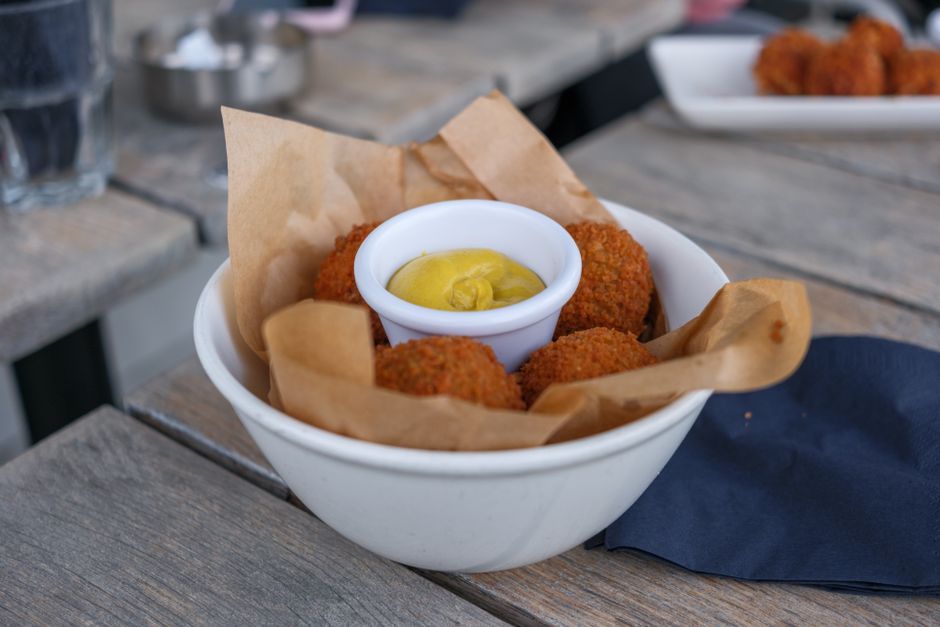
Bitterballen are small, round, deep-fried balls with a crispy breadcrumb crust and a creamy filling of beef ragout, served with mustard, a classic bar snack in Dutch pubs, cafés, called brown cafés, with beer. Their name comes from bitters, a herbal liquor they were served with. A portion of about six to eight costs about €6–9. Let them cool a little, as the filling is very hot.
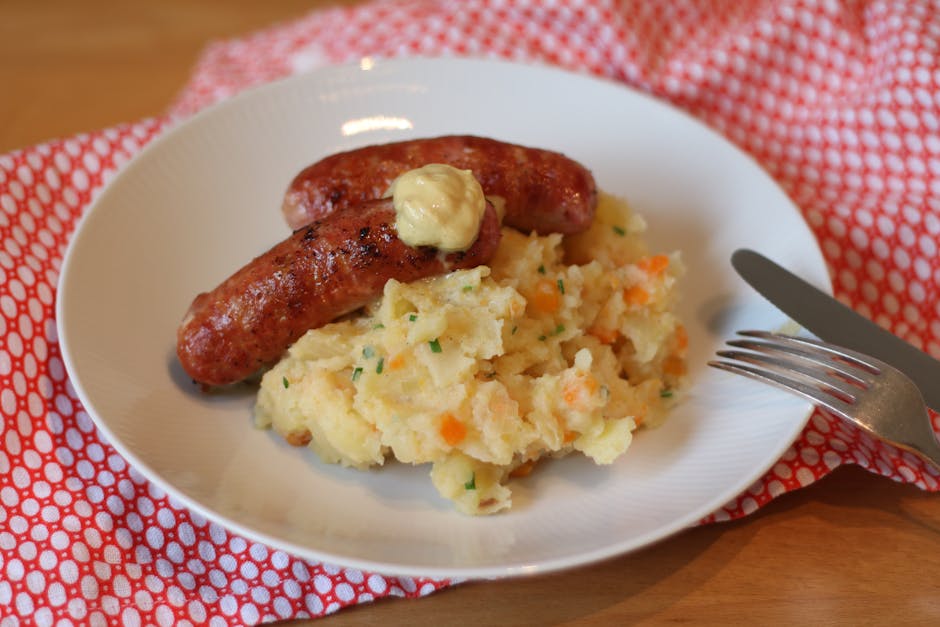
Stamppot
Stamppot is a traditional winter dish of mashed potatoes mixed with vegetables, such as kale, boerenkool, sauerkraut, zuurkool, or carrots and onions, hutspot, served with a smoked sausage, rookworst, and gravy. It is a hearty, simple dish, eaten in homes and traditional restaurants in the cold months. A portion costs about €12–18 in restaurants.
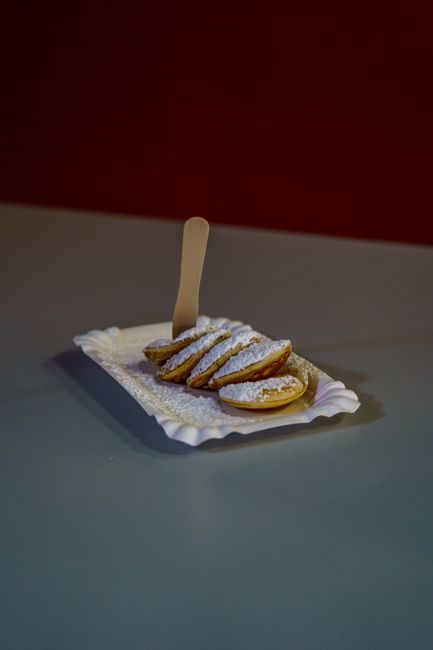
Poffertjes
Poffertjes are small, fluffy pancakes made with yeast and buckwheat flour, cooked in a special pan with round holes, and served with butter and powdered sugar. They are sold at markets, fairs and pancake houses, especially in winter. A portion of about 10–15 costs about €4–7. Dutch pancakes, pannenkoeken, large and thin, with sweet or savoury toppings, are also popular.

Indonesian Rijsttafel
The rijsttafel, rice table, is a Dutch-Indonesian feast of many small dishes, such as rendang, satay, sambal, vegetables, eggs and pickles, served with rice, created during the colonial period. Indonesian restaurants in Amsterdam and The Hague serve it. A rijsttafel costs about €30–50 per person. It is a good way to taste the influence of Indonesia on Dutch food.

Dutch Fries
Patat or friet, thick-cut fries, double-fried until crispy, are served in paper cones with sauces, such as mayonnaise, peanut sauce or patatje oorlog, war fries, with mayonnaise, peanut sauce and onions. Fries shops, such as Vleminckx in Amsterdam, are popular. A cone costs about €4–6. Kroketten, croquettes, from automats such as FEBO, are also popular snacks.
History
Romans, Frisians and the Low Countries
The low, marshy land at the mouths of the Rhine, Meuse and Scheldt rivers has been inhabited since prehistoric times, and in the north, people built terps, artificial mounds, from about 500 BC, to live above the floods. The dolmens of Drenthe, called hunebedden, built about 5,000 years ago, are the oldest monuments in the country. The Romans conquered the south in the 1st century BC, and the Rhine formed the border of the empire, with forts such as Traiectum, today's Utrecht, and Noviomagus, today's Nijmegen, the oldest city in the Netherlands.
Medieval towns
After the Romans, the Frisians and Franks ruled the region, and Christianity spread from the 7th century, with Utrecht becoming a bishopric. From the 11th century, people began to build dikes and drain land, creating polders, and towns such as Dordrecht, Haarlem, Leiden and Amsterdam grew with trade, fishing and cloth. In the 15th century, the region came under the Dukes of Burgundy, and in the 16th century it passed to the Habsburgs, ruled by Charles V, who was born in Ghent and united the Seventeen Provinces of the Low Countries.
Climate & Best Time to Visit
Spring
3–18°C
March to May brings mild, changeable weather, with days of about 10–18°C, sunshine and showers, and the famous tulip sea…
Summer
12–24°C
June to August is mild to warm, with days of about 20–24°C, sometimes above 30°C during heatwaves, long daylight until a…
Autumn
5–18°C
September to November brings cooler days of about 10–18°C, more rain and strong winds, especially in October and Novembe…
Winter
0–7°C
December to February is cool and damp, with days of about 5–7°C, nights around 0–2°C, grey skies and short days, and occ…
Fascinating Fun Facts
More bicycles than people
The Netherlands has about 23 million bicycles for about 18 million people, more bikes than inhabitants, and about a quar…
A country below sea level
About a quarter of the Netherlands lies below sea level, and about 60% of the country is at risk of flooding from the se…
The world's second largest food exporter
Despite its small size, the Netherlands is the world's second largest exporter of agricultural products by value, after …
The tallest people in the world
The Dutch are among the tallest people in the world, with an average height of about 1.84 m for men and about 1.70 m for…
Tulips that crashed an economy
Tulips, originally from Central Asia and the Ottoman Empire, arrived in the Netherlands in the late 16th century, and du…
Windmills that drained the land
The Netherlands once had about 10,000 windmills, used to pump water from polders, grind grain and saw wood. About 1,200 …
Traveler Reviews (0 reviews)
Sign in to leave a review and share your experience.
Sign InNo reviews yet. Be the first to share your experience!