Mexico
Updated October 19, 2026
Mexico is a vast and varied country stretching from the deserts of the north to the rainforests and Caribbean beaches of the Yucatán Peninsula, with volcanoes, canyons and colonial cities in between. It welcomed about 45 million international visitors in 2024, making it one of the most visited count…
Popular Cities in Mexico


Must-See Places in Mexico
Chichén Itzá
Chichén Itzá, in the Yucatán Peninsula, was one of the greatest Maya cities, with El Castillo, a pyramid built so that a serpent of light appears on its stairs at the spring and autumn equinoxes. It is a UNESCO site and one of the New Seven Wonders of the World. Arrive at opening to avoid heat and crowds. Ideal for history lovers.
Teotihuacan
Teotihuacan, about 50 km north-east of Mexico City, was one of the largest cities of the ancient world, with the Pyramid of the Sun, the Pyramid of the Moon and the Avenue of the Dead. It is a UNESCO site, and hot air balloon flights at sunrise offer spectacular views. Ideal for history lovers and photographers.
Palenque
Palenque, in the jungle of Chiapas, is one of the most beautiful Maya sites, with temples and palaces surrounded by rainforest, waterfalls and howler monkeys. The Temple of the Inscriptions holds the tomb of King Pakal, who died in 683. It is a UNESCO site. Combine with the waterfalls of Agua Azul. Ideal for nature and history lovers.
Copper Canyon
Copper Canyon, in the Sierra Madre of Chihuahua, is a system of canyons larger and in places deeper than the Grand Canyon. The Chepe train, one of the most scenic railways in the world, crosses it, and the Rarámuri people live in its villages. Creel is a base for hiking and cable car rides. Ideal for adventure travellers.
Bacalar
Bacalar, in southern Quintana Roo, is known for its Lagoon of Seven Colours, a freshwater lagoon with shades of blue from turquoise to deep navy. Visitors kayak, paddleboard and swim in cenotes such as Cenote Azul. It is calmer than the Riviera Maya. Ideal for relaxing and water sports.
Isla Holbox
Isla Holbox, off the north coast of the Yucatán Peninsula, is a car-free island with sandy streets, colourful murals and quiet beaches. From June to September, visitors can swim with whale sharks, and bioluminescence lights the water at night. Ferries leave from Chiquilá. Ideal for nature lovers and slow travel.
Cabo San Lucas
Cabo San Lucas, at the tip of the Baja California peninsula, is famous for El Arco, a natural rock arch where the Pacific meets the Sea of Cortez. Visitors watch humpback whales from December to March, snorkel, fish and enjoy lively nightlife. Ideal for beach lovers and whale watching.
Taxco
Taxco, in the mountains of Guerrero, is a colonial silver-mining town of white houses with red roofs, steep cobbled streets and the Baroque Santa Prisca church, built in the 18th century. It is famous for silver jewellery workshops and markets. It is about 2.5 hours from Mexico City. Ideal for shopping and architecture lovers.
Must-Visit Attractions in Mexico
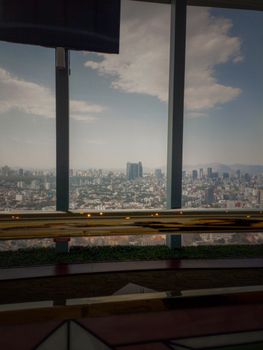
Mexico City, one of the largest cities in the Western Hemisphere, was
Its historic centre, a UNESCO site since 1987, is anchored by the Zócalo, one of the world's largest squares, the Metropolitan Cathedral, the Templo Mayor ruins and the National Palace with Diego Rivera's murals. The National Museum of Anthropology, in Chapultepec Park, holds the Aztec Sun Stone and is one of the best museums in the world, with tickets of about 100 pesos. Frida Kahlo's Blue House in Coyoacán and the canals of Xochimilco, with colourful trajinera boats, are favourites. The city is also a culinary capital, from street tacos to world-ranked restaurants. Insider tip: book the Frida Kahlo Museum online weeks ahead, as tickets sell out.
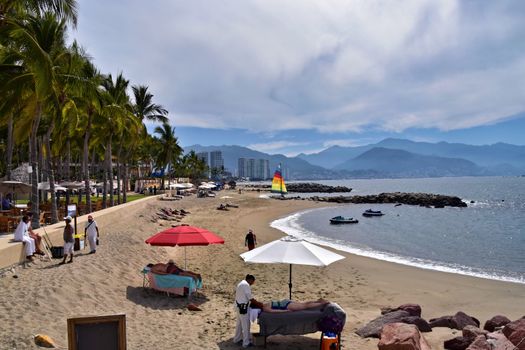
Puerto Vallarta, on the Pacific coast in Jalisco, is a resort town bet
Its seafront promenade, the Malecón, is lined with sculptures, restaurants and bars, and leads to the cobbled streets of the old town and the Church of Our Lady of Guadalupe. The town became famous after the 1964 film The Night of the Iguana. Humpback whales visit the bay from December to March. Boat trips reach secluded beaches like Yelapa and the Marietas Islands with the Hidden Beach. Puerto Vallarta is known as one of Mexico's most LGBTQ-friendly destinations. Insider tip: watch the sunset over the bay from the Malecón, and book Marietas Islands tours early, as daily visitor numbers are limited.
Unique Experiences in Mexico
Celebrate the Day of the Dead
Join families in decorating altars and cemeteries with marigolds, candles and photographs to welcome back the souls of loved ones on 1 and 2 November.
Swim in a Cenote
Dive into the clear freshwater sinkholes of the Yucatán Peninsula, sacred to the Maya, with stalactites, tree roots and beams of sunlight falling into turquoise water.
Fly in a Hot Air Balloon over Teotihuacan
Float at sunrise above the Pyramids of the Sun and Moon and the Avenue of the Dead, one of the largest ancient cities of the Americas.
Swim with Whale Sharks
Snorkel alongside the world's largest fish, which can grow over 12 m long, as they feed near the surface off Isla Holbox and Isla Mujeres.
Ride the Chepe Train through Copper Canyon
Travel on one of the most scenic railways in the world, crossing bridges and tunnels through the deep canyons of the Sierra Madre Occidental.
Travel Tips for Mexico
Eat Street Food with Confidence
Street food is a highlight of Mexico and usually safe if you choose busy stalls with high turnover, where locals queue. …
Check Safety Advice by Region
Safety varies widely across Mexico. Popular tourist areas such as Mexico City's central neighbourhoods, Oaxaca, Mérida a…
Plan for the Seasons
Visit beaches and ruins from November to April, the dry season, for sunny weather, though it is the busiest and most exp…
Use Domestic Flights and First-Class Buses
Mexico is large, so domestic flights with Aeroméxico, Volaris and Viva Aerobus save time between regions, often at low p…
Carry Cash and Pay in Pesos
Cards are accepted in cities, hotels and restaurants, but carry pesos for markets, street food, small shops, taxis and t…
Respect Ancient Sites and Nature
Climbing is now forbidden at many pyramids, including El Castillo at Chichén Itzá, to protect them. Follow rules at arch…
Must-Try Local Dishes

Tacos al Pastor
Mexico City's most famous street food is thin slices of pork marinated in chilli, spices and achiote, cooked on a vertical spit called a trompo and served on small corn tortillas with pineapple, onion, coriander and salsa. The dish was inspired by Lebanese immigrants' shawarma in the 20th century. Taquerías such as El Huequito are famous. A taco costs about 15–30 pesos.

Mole Poblano
A rich, dark sauce made from up to 20 or more ingredients, including dried chillies, chocolate, nuts, seeds, spices and bread, slowly cooked for hours and served over chicken or turkey. It comes from Puebla, where legend says nuns invented it in a convent. Oaxaca is known as the land of seven moles. A plate costs about 150–300 pesos in local restaurants.
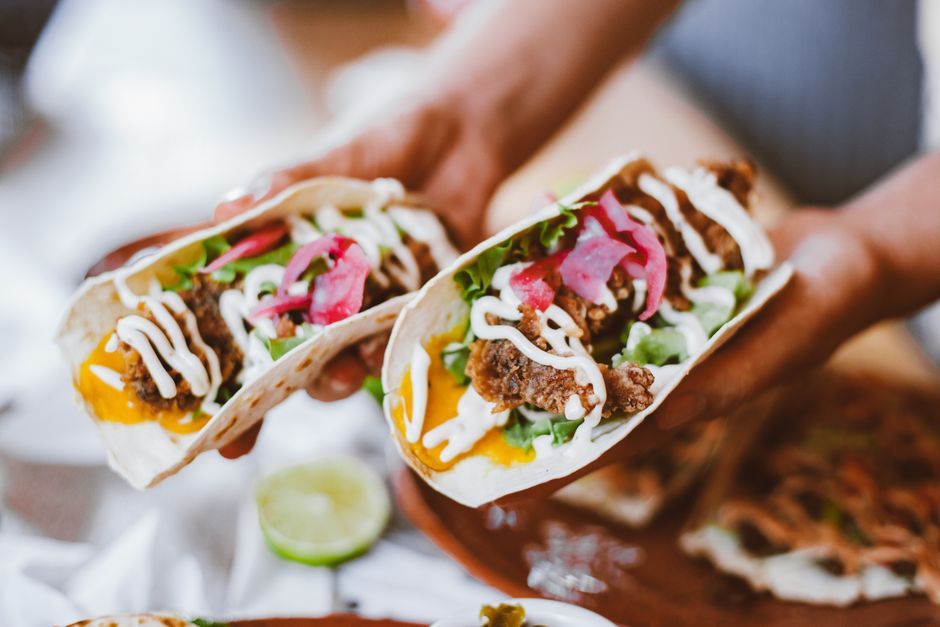
Cochinita Pibil
A Yucatán speciality of pork marinated in bitter orange juice and achiote, a red seed paste, wrapped in banana leaves and slow-cooked in an underground pit oven called a pib. The tender, tangy meat is served in tacos or tortas with pickled red onions and habanero salsa. It is a popular breakfast in Mérida. A plate costs about 80–200 pesos.
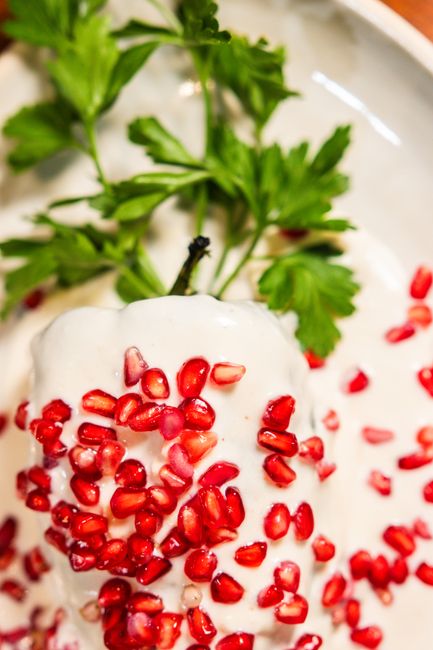
Chiles en Nogada
A poblano chilli stuffed with minced meat and fruit, covered in a creamy walnut sauce and decorated with pomegranate seeds and parsley, showing the green, white and red of the Mexican flag. Created in Puebla, it is traditionally eaten from August to September, around Independence Day, when pomegranates and walnuts are in season. A plate costs about 250–450 pesos.

Ceviche and Aguachile
Fresh raw fish or shrimp cured in lime juice with onion, tomato, coriander and chilli, served with tostadas. Aguachile, from Sinaloa, is a spicier version with shrimp in lime and chilli water. Coastal towns from Puerto Vallarta to Cancún serve them in beach restaurants. A plate costs about 150–300 pesos and goes well with a cold beer.

Tamales
Corn dough filled with meat, cheese, chilli or sweet fillings, wrapped in corn husks or banana leaves and steamed. Tamales date back to ancient Mesoamerica and are eaten for breakfast, often with atole, a warm corn drink. Every region has its own style. Street vendors sell them in the morning. A tamal costs about 20–40 pesos.
Tequila and Mezcal
Tequila is made from blue agave in Jalisco, especially around the town of Tequila, a UNESCO site, while mezcal is made from many agave varieties, mostly in Oaxaca, with a smoky flavour from roasting agave in pit ovens. Both are sipped slowly, often with orange slices and sal de gusano. Distillery tours cost about 300–800 pesos.
Churros and Hot Chocolate
Fried dough sticks rolled in cinnamon sugar, served with thick hot chocolate for dipping. El Moro, a churrería in Mexico City open since 1935, is famous for them. Mexican hot chocolate is often flavoured with cinnamon. It is a popular breakfast or late-night treat. An order of churros costs about 50–100 pesos.
History
Olmecs, Maya and the Great Ancient Cultures
Mesoamerica, the cultural region covering much of today's Mexico, was one of the few places in the world where civilisation developed independently. Farmers domesticated maize, beans, squash and chilli peppers thousands of years ago, creating the foundation of Mexican cuisine.
The mother culture
The Olmecs, who flourished on the Gulf Coast from about 1200 to 400 BC, are known for colossal stone heads, some about 3 m tall. They developed early forms of writing and the Mesoamerican ballgame.
Cities of the Classic period
Between about AD 250 and 900, great cities rose across the region.
- Teotihuacan, near Mexico City, had perhaps 100,000 people and the huge Pyramid of the Sun.
- The Maya built cities such as Palenque, Calakmul and later Chichén Itzá, with advanced astronomy, mathematics including the concept of zero and a complex writing system.
- Monte Albán in Oaxaca was the capital of the Zapotec people for over 1,000 years.
Visit Teotihuacan at sunrise, ideally from a hot air balloon, to understand the scale of this ancient metropolis.
Climate & Best Time to Visit
Spring
12–32°C
March to May is warm and dry in most of the country, with 25–32°C on the coasts and 20–28°C in Mexico City. It is a good…
Summer
15–34°C
June to September is the rainy season in central and southern Mexico, with short, heavy afternoon storms and green lands…
Autumn
10–30°C
October and November bring the end of the rainy season, green landscapes and pleasant temperatures. The Day of the Dead,…
Winter
6–30°C
December to February is the dry high season, with warm 27–30°C days on the beaches and cool 18–24°C days in the highland…
Fascinating Fun Facts
Chocolate, maize and chillies came from Mexico
Mexico gave the world many foods now eaten everywhere. Maize was domesticated in southern Mexico about 9,000 years ago, …
Mexico City is sinking
Mexico City is built on the bed of the former Lake Texcoco, and the extraction of groundwater has caused parts of the ci…
The world's largest pyramid by volume
The Great Pyramid of Cholula, in the state of Puebla, is the largest pyramid in the world by volume, larger than the Gre…
Mexican cuisine is UNESCO heritage
In 2010, traditional Mexican cuisine was added to UNESCO's list of Intangible Cultural Heritage, the first national cuis…
Mexico has the largest Spanish-speaking population
With about 130 million people, Mexico has the largest population of Spanish speakers in the world, ahead of the United S…
Monarch butterflies fly 4,000 km to Mexico
Every autumn, millions of monarch butterflies migrate up to about 4,000 km from Canada and the United States to spend th…
Traveler Reviews (0 reviews)
Sign in to leave a review and share your experience.
Sign InNo reviews yet. Be the first to share your experience!