Japan
Updated October 19, 2026
Japan is an island nation in East Asia, stretching about 3,000 km from the snowy north of Hokkaido to the subtropical islands of Okinawa, with about 124 million people. It combines ancient traditions, such as Shinto shrines, Buddhist temples, tea ceremonies and geisha districts, with futuristic citi…
Popular Cities in Japan

Must-See Places in Japan

Senso-ji Temple
Senso-ji, in Tokyo's Asakusa district, founded in 645, is Tokyo's oldest temple, approached through the Kaminarimon gate with its giant red lantern and the Nakamise shopping street, selling snacks and souvenirs. It is free to visit and open around the clock. Visit early in the morning or at night, when it is lit and quieter, and draw an omikuji fortune.
Fushimi Inari Taisha
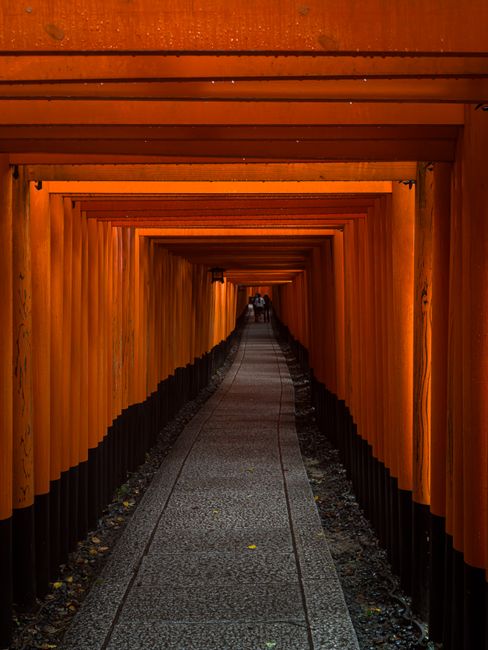
Fushimi Inari Taisha, in southern Kyoto, is the head shrine of Inari, the god of rice and prosperity, famous for about 10,000 orange torii gates forming tunnels up Mount Inari. The full hike takes about 2–3 hours. It is free and open around the clock. Visit early in the morning or late in the evening to avoid crowds, and hike beyond the first section.
Hiroshima Peace Memorial Park
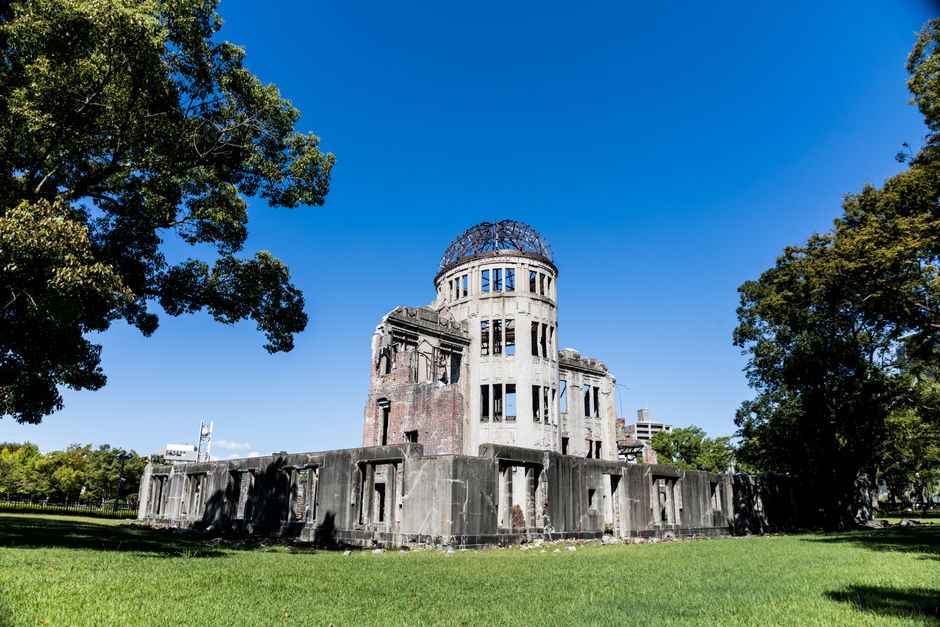
Hiroshima Peace Memorial Park commemorates the victims of the atomic bombing of 6 August 1945, with the Atomic Bomb Dome, a UNESCO site, the Peace Memorial Museum and the Children's Peace Monument. The museum costs about ¥200. Allow at least half a day, and take the ferry to Miyajima's floating torii gate afterwards.

Dotonbori
Dotonbori, along a canal in Osaka's Namba district, is the city's entertainment heart, famous for neon signs, including the Glico Running Man, giant mechanical crab and street food, such as takoyaki and okonomiyaki. It is free to explore and liveliest at night. Take a canal cruise for about ¥1,500, and eat your way along the street.

Todai-ji and Nara Park
Todai-ji, in Nara Park, houses a bronze Great Buddha about 15 m tall in one of the world's largest wooden buildings. More than 1,000 sacred deer roam the park freely and bow to visitors offering deer crackers. Entry to the Great Buddha Hall costs about ¥800. Visit early, and buy crackers from official vendors for about ¥200.

Lake Ashi and Mount Fuji Views
Lake Ashi, in Hakone, offers views of Mount Fuji on clear days, especially from pirate-style sightseeing boats and the red torii gate of Hakone Shrine standing in the water. The Hakone Free Pass covers trains, cable cars and boats, for about ¥6,000 from Shinjuku. Visit in the morning, when Fuji is more often visible, and stay overnight in an onsen ryokan.

Kenroku-en Garden
Kenroku-en, in Kanazawa, is one of Japan's three great gardens, developed from the 17th century by the Maeda clan, with ponds, streams, teahouses, stone lanterns and trees supported by ropes in winter, called yukitsuri. Entry costs about ¥320. Visit early in the morning, and combine it with Kanazawa Castle and the Higashi Chaya geisha district.

Toshogu Shrine
Nikko Toshogu, a UNESCO site, is the lavish mausoleum of Tokugawa Ieyasu, founder of the Tokugawa shogunate, decorated with colourful carvings, gold leaf and the famous three wise monkeys, see no evil, hear no evil, speak no evil. Entry costs about ¥1,600. Visit early, and combine it with the Shinkyo Bridge and Lake Chuzenji.
Must-Visit Attractions in Japan

Kyoto, Japan's imperial capital from 794 to 1868, is the country's cul
Highlights include Fushimi Inari Taisha, with thousands of orange torii gates, Kinkaku-ji, the Golden Pavilion, Kiyomizu-dera, a wooden temple on a hillside, the Arashiyama bamboo grove and the Philosopher's Path. Kyoto is the centre of traditional arts, such as the tea ceremony, kaiseki cuisine and kimono making. The Gion Matsuri in July is one of Japan's most famous festivals. Nishiki Market sells local specialities. Arashiyama's monkey park and river boats make a pleasant half day. Insider tip: visit popular sites at opening time, use buses and trains and avoid photographing geisha without permission.
Unique Experiences in Japan
Watch the Cherry Blossoms
Join the Japanese tradition of hanami, picnicking under blossoming cherry trees in parks, along rivers and around castles, as pink petals cover the country in spring.
Stay in a Ryokan with an Onsen
Spend a night in a traditional Japanese inn, sleeping on futons on tatami floors, wearing a yukata robe, bathing in hot springs and enjoying a kaiseki dinner.
Ride the Shinkansen
Travel on the bullet train at up to 320 km/h, crossing the country from Tokyo to Kyoto in about 2 hours 15 minutes, with views of Mount Fuji on clear days.
Climb Mount Fuji
Climb Japan's highest mountain, at 3,776 m, overnight to see the sunrise, goraiko, from the summit, a pilgrimage for many Japanese people.
Explore Kyoto's Geisha District
Walk through the wooden streets of Gion in Kyoto, where geiko and maiko, apprentice geisha, still entertain in teahouses, and attend a performance of traditional arts.
Travel Tips for Japan
Get an IC Card and Plan Rail Travel
Buy a rechargeable IC card, such as Suica or Pasmo, or add one to your smartphone, to pay for trains, buses, subways and…
Learn Basic Etiquette
Remove shoes when entering homes, temples, ryokan and some restaurants, and use the slippers provided. Do not eat while …
Carry Cash and Rubbish
Japan is increasingly cashless, but many small restaurants, shrines, temples, rural shops and markets accept only cash, …
Book Popular Experiences Early
Book accommodation months in advance for cherry blossom season, Golden Week, the autumn leaves in Kyoto and New Year. Po…
Explore Beyond the Golden Route
Most first-time visitors follow the Golden Route of Tokyo, Hakone, Kyoto, Nara and Osaka, but Japan offers much more. Vi…
Prepare for Earthquakes and Weather
Japan experiences frequent earthquakes and, from June to October, typhoons and heavy rain. Download the Safety Tips app …
Must-Try Local Dishes
Sushi
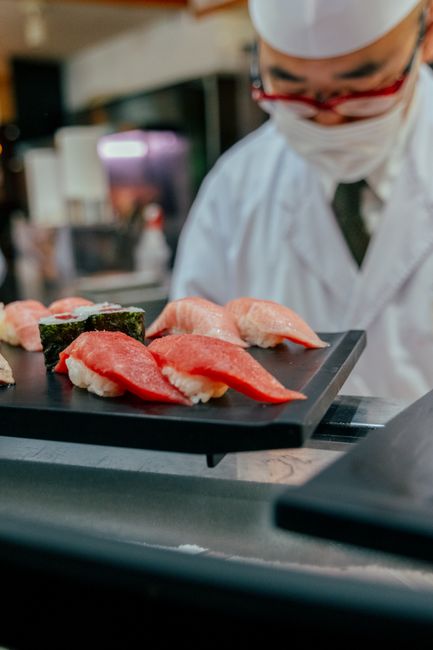
Vinegared rice topped or rolled with raw fish, seafood, egg or vegetables, Japan's most famous dish. Nigiri, hand-pressed rice with a slice of fish, originated in Edo in the 19th century as street food. Conveyor-belt sushi restaurants, kaiten-zushi, offer plates from about ¥100–500, while top sushi counters in Tokyo serve omakase menus for ¥20,000–50,000. Visit Toyosu Market or the Tsukiji outer market for fresh sushi.

Ramen
Wheat noodles served in a rich broth, with regional styles such as tonkotsu, pork bone broth, from Fukuoka, miso ramen from Sapporo and shoyu, soy sauce, ramen from Tokyo, topped with sliced pork, egg, spring onions and seaweed. Ramen shops often use ticket vending machines for ordering. Slurping is considered polite. A bowl costs about ¥800–1,500.

Tempura
Seafood and vegetables, such as prawns, fish, sweet potato and shiitake mushrooms, coated in a light batter and deep-fried until crisp, served with a dipping sauce and grated radish or salt. Tempura was introduced by Portuguese missionaries in the 16th century and refined in Edo. Specialist restaurants fry each piece in front of diners. A tempura set costs about ¥1,500–6,000.
Kaiseki
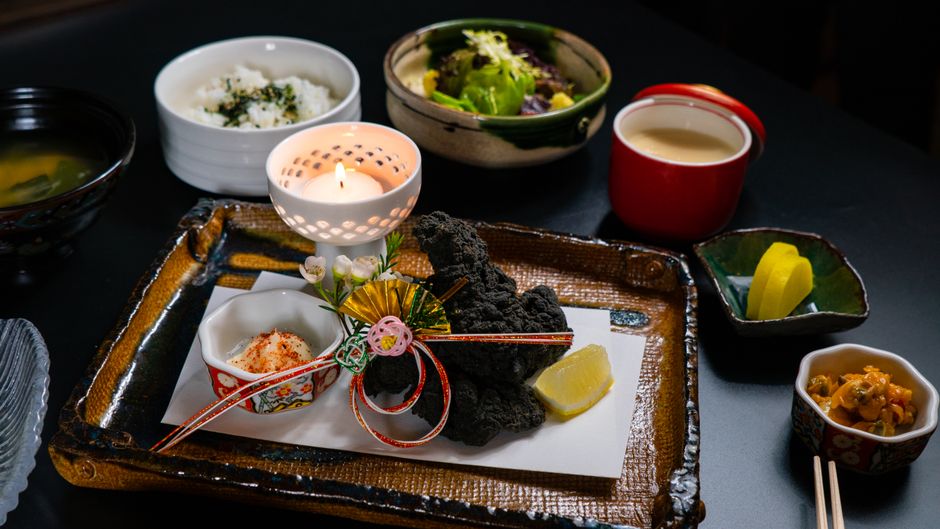
A traditional multi-course meal that developed from tea ceremony cuisine, with many small, beautifully presented dishes using seasonal ingredients, such as sashimi, grilled fish, simmered vegetables and rice. It is served in ryokan, traditional inns, and high-end restaurants, especially in Kyoto. A kaiseki dinner costs about ¥8,000–30,000 or more. Book in advance, and inform restaurants about allergies.

Okonomiyaki
A savoury pancake made with flour, eggs, shredded cabbage and toppings, such as pork, seafood or cheese, cooked on a hot griddle and topped with sauce, mayonnaise, bonito flakes and seaweed. The Osaka style mixes everything together, while the Hiroshima style layers ingredients with noodles. Diners often cook it themselves at the table. A portion costs about ¥900–1,800.

Wagyu Beef
Japanese beef from specific cattle breeds, famous for its marbling of fat, which makes it tender and rich. Brands such as Kobe, Matsusaka and Omi beef are highly prized. It is served as steak, grilled at yakiniku restaurants, in sukiyaki or shabu-shabu hot pots. A wagyu meal costs about ¥5,000–30,000. Try A5-grade wagyu in small portions, as it is very rich.

Matcha and Wagashi
Matcha, powdered green tea whisked with hot water, is served in the tea ceremony with wagashi, traditional sweets made from rice flour, red bean paste and seasonal ingredients, shaped like flowers or leaves. Uji, near Kyoto, is famous for matcha. Matcha also flavours ice cream, cakes and lattes. A tea ceremony experience costs about ¥2,000–6,000.
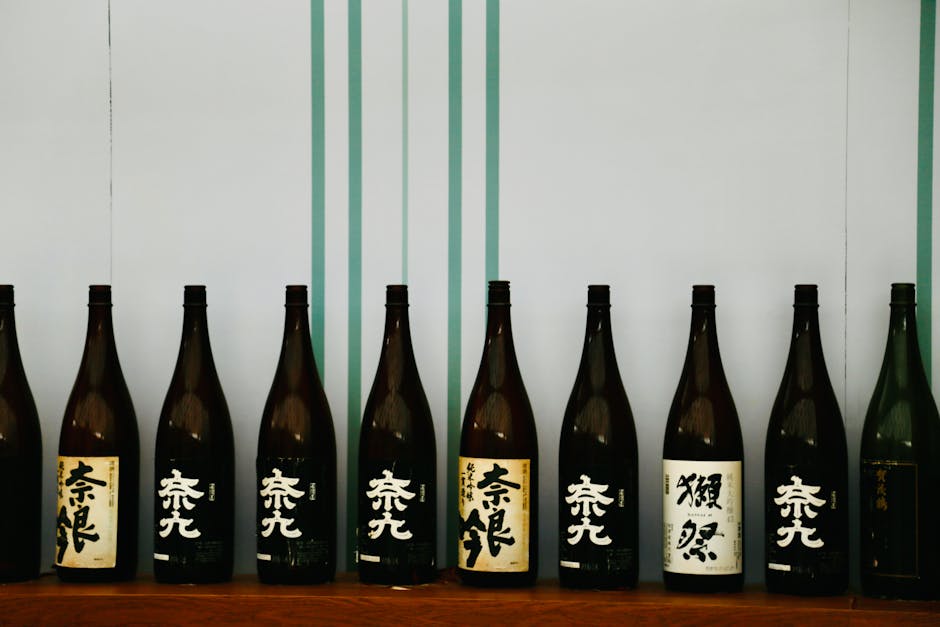
Sake and Japanese Whisky
Sake, a rice wine brewed for more than 1,000 years, is served chilled or warm in small cups, with regional breweries across the country, especially in Niigata, Hyogo and Kyoto. Japanese whisky, from distilleries such as Yamazaki and Yoichi, has won international awards. Brewery tours and tastings are popular. A glass of sake costs about ¥500–1,500.
History
Ancient Japan and the Rise of the Imperial Court
People have lived in Japan for tens of thousands of years. The Jomon culture, from about 14,000 BC, produced some of the world's oldest pottery, decorated with cord patterns. From about 300 BC, the Yayoi people brought rice farming and metalworking from the Asian mainland.
The imperial line
According to legend, Emperor Jimmu founded the imperial dynasty in 660 BC, making it the oldest continuous hereditary monarchy in the world. Huge keyhole-shaped burial mounds, such as the Daisen Kofun near Osaka, date from the 3rd to 7th centuries.
Shinto, the native belief in kami, spirits found in nature, ancestors and places, shaped early Japanese society and remains central to festivals today.
Buddhism and Nara
- Buddhism arrived from Korea in the 6th century and was promoted by Prince Shotoku.
- In 710 the capital moved to Nara, modelled on the Chinese capital Chang'an.
- The Great Buddha of Todai-ji, about 15 m tall, was completed in 752.
Visit Nara Park, where Todai-ji's Great Buddha Hall stands among more than 1,000 freely roaming deer.
Climate & Best Time to Visit
Spring
5–22°C
March to May brings mild 12–22°C days and the famous cherry blossom season, sakura, from late March in Tokyo and Kyoto t…
Summer
20–35°C
June to August starts with the rainy season, tsuyu, in June and July, followed by hot, humid weather, with 28–35°C days …
Autumn
8–25°C
September to November brings typhoons in September, then cooler, clear 15–25°C days and spectacular autumn leaves, koyo,…
Winter
-5–12°C
December to February is cold and dry in Tokyo, with 8–12°C days and clear views of Mount Fuji, while Hokkaido and the Ja…
Fascinating Fun Facts
Trains that are late by seconds
Japan's Shinkansen bullet trains are famous for punctuality, with an average delay on the Tokaido Shinkansen of less tha…
More than 100,000 shrines and temples
Japan has about 80,000 Shinto shrines and about 75,000 Buddhist temples, and many Japanese people follow both religions,…
Vending machines everywhere
Japan has about four million vending machines, roughly one for every 30 people, one of the highest densities in the worl…
The world's oldest companies
Japan has more companies over 100 years old than any other country, with tens of thousands of businesses founded before …
A country of hot springs
Japan has about 27,000 hot springs and more than 3,000 onsen resorts, thanks to its volcanic activity. Bathing in an ons…
Mount Fuji is a sacred volcano
Mount Fuji, at 3,776 m, is Japan's highest mountain and an active volcano that last erupted in 1707. It has been a sacre…
Traveler Reviews (0 reviews)
Sign in to leave a review and share your experience.
Sign InNo reviews yet. Be the first to share your experience!