Italy
Updated October 19, 2026
Italy packs more world-famous art, architecture and food into a narrow peninsula than almost anywhere else on Earth. Stretching about 1,200 km from the Alps to Sicily, it holds 61 UNESCO World Heritage Sites, the most of any country, from the Colosseum and Pompeii to the canals of Venice and the vin…
Must-See Places in Italy
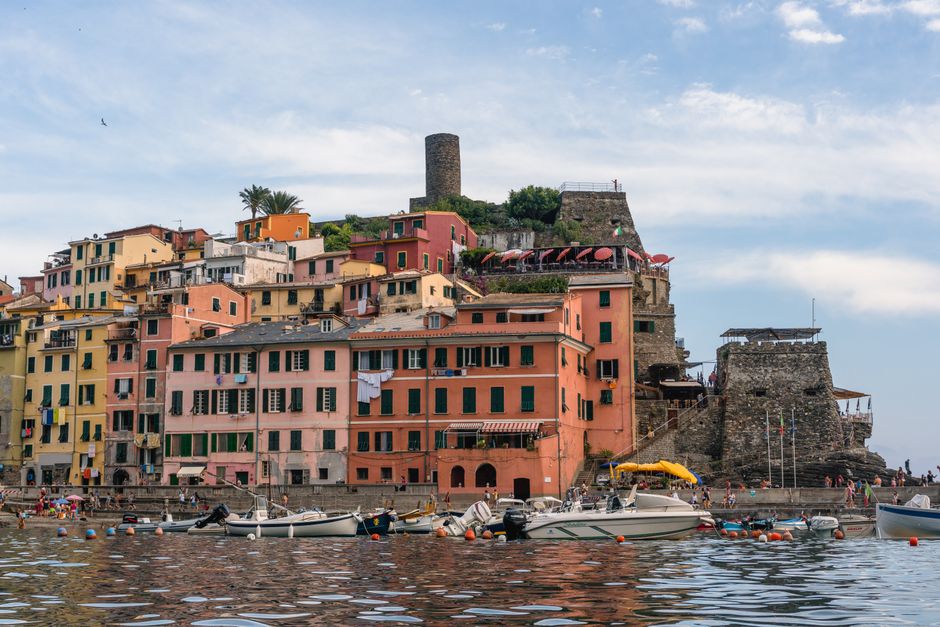
Cinque Terre
The Cinque Terre are five colourful fishing villages clinging to cliffs on the Ligurian coast, linked by hiking trails, a coastal train and boats. They have been a UNESCO World Heritage Site since 1997 and a national park since 1999. Walk the Sentiero Azzurro between villages, and buy a Cinque Terre Card for trails and trains. Ideal for hikers and photographers.
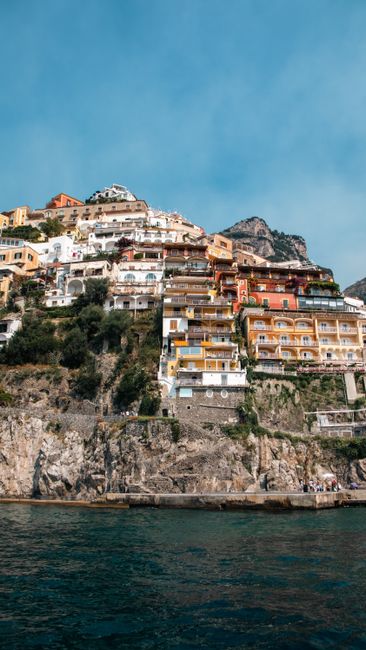
Amalfi Coast
The Amalfi Coast stretches about 50 km along the Sorrento Peninsula south of Naples, with pastel towns such as Positano, Amalfi and Ravello stacked above the sea. It has been a UNESCO site since 1997. Travel by ferry to avoid traffic on the narrow coastal road, and hike the Path of the Gods above Positano. Ideal for couples and food lovers.

Pompeii
Pompeii, near Naples, was buried by the eruption of Vesuvius in AD 79 and has been excavated since 1748, revealing streets, houses, frescoes and casts of victims. It is a UNESCO site and one of the most visited archaeological sites in the world. Book tickets online, allow at least four hours and combine it with nearby Herculaneum. Ideal for history lovers.
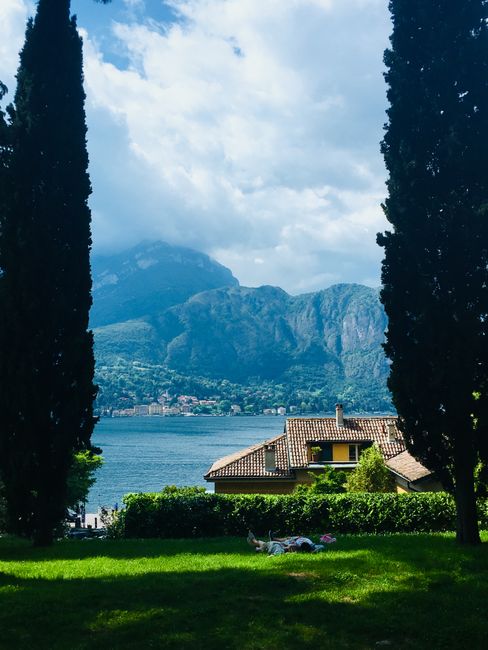
Lake Como
Lake Como, about an hour north of Milan, is a long, Y-shaped Alpine lake lined with grand villas, gardens and villages such as Bellagio, Varenna and Menaggio. Ferries connect the towns, and Villa del Balbianello and Villa Carlotta are famous for their gardens. Visit from April to October. Ideal for romantic breaks and relaxing scenery.
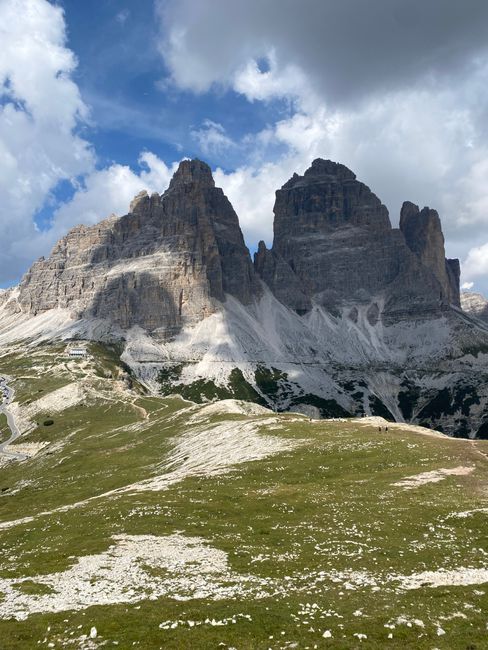
The Dolomites
The Dolomites, in north-eastern Italy, are jagged pale limestone peaks rising above green meadows, listed by UNESCO in 2009. Cortina d'Ampezzo, host of the 2026 Winter Olympics with Milan, is a base for hiking via ferrata routes in summer and skiing in winter. The Tre Cime di Lavaredo hike is a classic. Ideal for hikers, climbers and skiers.

Matera
Matera, in Basilicata, is famous for the Sassi, ancient cave dwellings carved into a ravine and inhabited for thousands of years. Once a symbol of poverty, the city was transformed and became European Capital of Culture in 2019, and the Sassi are a UNESCO site since 1993. Stay in a cave hotel. Ideal for history lovers and photographers.

Pisa
Pisa, in Tuscany, is home to the Leaning Tower, which began to lean during construction in the 12th century and now tilts about 4 degrees after stabilisation work completed in 2001. The tower, cathedral and baptistery stand together on the Piazza dei Miracoli, a UNESCO site. Book tower tickets online. Ideal as a day trip from Florence.
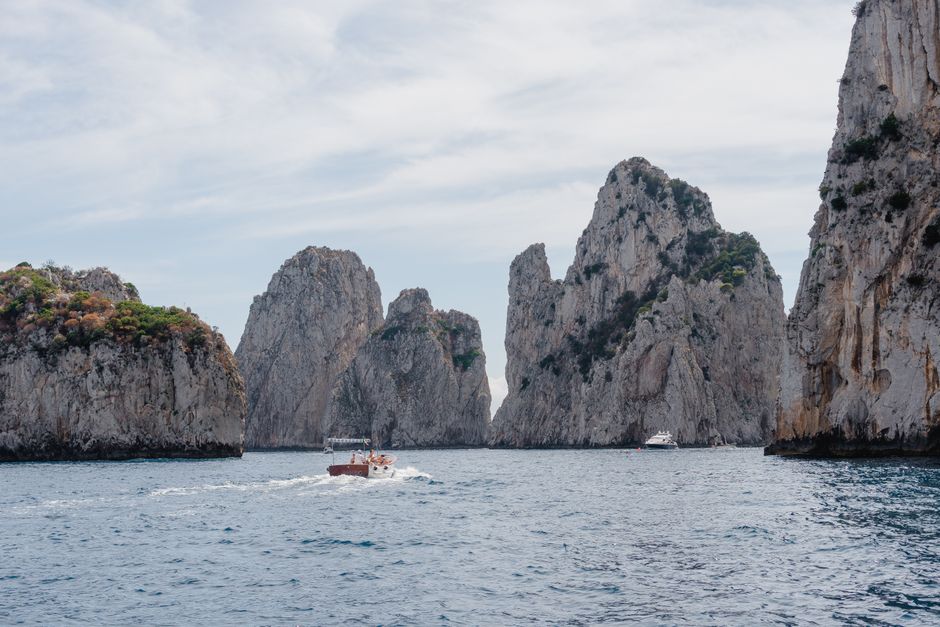
Capri
Capri, an island in the Bay of Naples, is famous for its dramatic cliffs, the Faraglioni rock stacks and the Blue Grotto, a sea cave lit by glowing blue light. Ferries from Naples and Sorrento take about 20–50 minutes. Take the chairlift to Monte Solaro for views, and stay overnight to enjoy the island after day-trippers leave. Ideal for luxury travellers and couples.
Unique Experiences in Italy
Walk the Path of the Gods on the Amalfi Coast
Hike the Sentiero degli Dei high above the sea from Bomerano to Nocelle, with views over Positano, terraced lemon groves and the island of Capri.
Take a Cooking Class in Bologna
Learn to roll fresh pasta by hand with a sfoglina, a traditional pasta maker, and cook tagliatelle, tortellini and ragù in Italy's food capital.
See the Sistine Chapel at Opening Time
Enter the Vatican Museums at the earliest slot to walk through the Raphael Rooms and stand beneath Michelangelo's Sistine Chapel ceiling before the crowds arrive.
Watch an Opera at the Arena di Verona
See Aida or Carmen under the stars in a Roman amphitheatre built in the 1st century AD, with about 13,000 spectators holding candles at dusk.
Ride a Gondola in Venice
Glide through the quiet back canals of Venice in a gondola, passing under small bridges and past palaces, with a gondolier steering the 11 m boat.
Travel Tips for Italy
Book Major Museums in Advance
The Vatican Museums, the Colosseum, the Uffizi, the Accademia with Michelangelo's David and The Last Supper in Milan all…
Travel by High-Speed Train
Frecciarossa and Italo trains link Milan, Bologna, Florence, Rome and Naples quickly and comfortably, with Rome to Flore…
Eat Like an Italian
Lunch is usually from 12:30 to 14:30 and dinner from 19:30 or later, and many restaurants close in between. Drink espres…
Dress Modestly in Churches
Many churches, including St Peter's Basilica, the Vatican Museums and Florence Cathedral, require covered shoulders and …
Avoid the Peak of Summer
July and August bring heat, crowds and higher prices, especially at beaches, islands and in Venice, Florence and Rome. I…
Protect Yourself from Pickpockets
Pickpocketing is common in crowded tourist areas such as Rome's metro and buses, especially line 64 to the Vatican, arou…
Must-Try Local Dishes

Pizza Napoletana
Naples is the birthplace of pizza, and the art of Neapolitan pizza making was added to UNESCO's Intangible Heritage list in 2017. A true pizza napoletana has a soft, airy crust with charred spots, baked for 60–90 seconds in a wood-fired oven at about 485°C. The classic Margherita uses tomato, mozzarella and basil, the colours of the Italian flag. A pizza in Naples costs about €5–10.
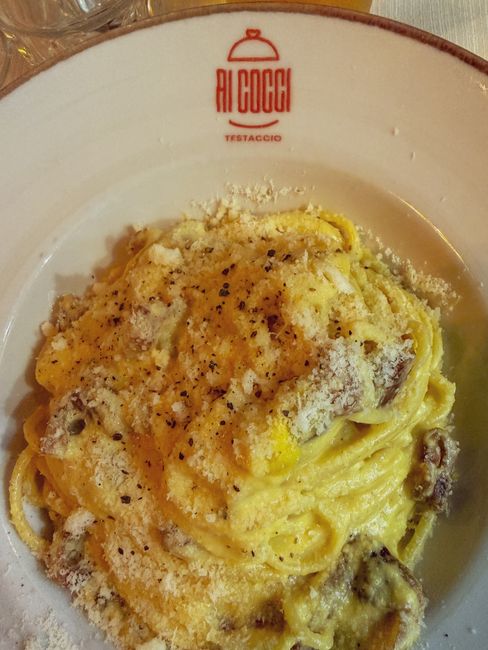
Spaghetti alla Carbonara
Rome's famous pasta is made with guanciale, cured pork cheek, eggs, Pecorino Romano cheese and black pepper, with no cream. The heat of the pasta cooks the eggs into a silky sauce. Its origins are debated, but it became popular in Rome after the Second World War. Order it in a Roman trattoria in Testaccio or Trastevere for about €12–16.

Tagliatelle al Ragù
Bologna's slow-cooked meat sauce of beef, pork, soffritto vegetables, wine and a little tomato is traditionally served with fresh egg tagliatelle, not spaghetti. The recipe was officially registered with the Bologna Chamber of Commerce in 1982. It simmers for at least three hours. A plate costs about €12–16 in Bologna's osterie, best followed by a glass of Lambrusco.

Risotto alla Milanese
Milan's golden risotto is made with Carnaroli rice, beef marrow, butter, Parmigiano and saffron, which gives it its bright yellow colour. Legend says it was created in 1574 by a glassmaker working on Milan Cathedral's windows, who added saffron to rice at a wedding. It is often served with ossobuco, braised veal shank. A plate costs about €14–22.
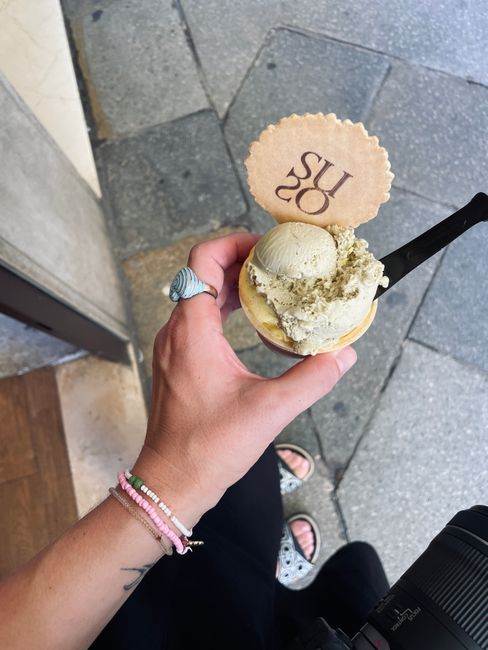
Gelato
Italian gelato is denser and creamier than ice cream, with less air and fat and more intense flavour, served slightly warmer. Look for gelaterie that make their own gelato, with natural colours and flavours stored in covered metal tubs, rather than bright mounds. Classic flavours include pistachio, stracciatella and nocciola. A cup with two flavours costs about €3–4.
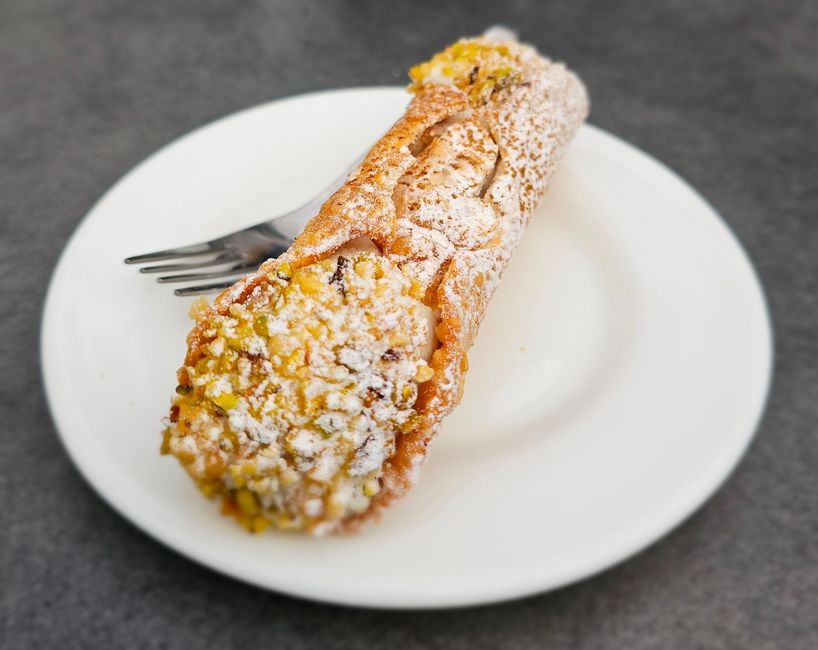
Cannoli Siciliani
Crisp fried pastry tubes filled with sweet sheep's milk ricotta, often with candied orange peel, chocolate chips or chopped pistachios from Bronte. They originated in Sicily, probably around Palermo, and were traditionally made for Carnival. Good pastry shops fill them to order so the shell stays crunchy. One costs about €2.50–4 in Sicilian pasticcerie.
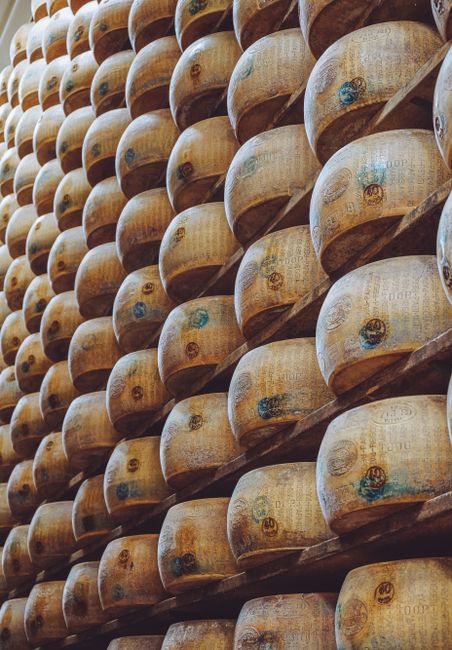
Parmigiano Reggiano
The king of cheeses is made only in the provinces of Parma, Reggio Emilia, Modena, Bologna and Mantua, from raw cow's milk, and aged for at least 12 months, often 24 to 36. Each wheel weighs about 40 kg and is stamped with its origin. Visit a dairy near Parma or Modena early in the morning to watch it being made. A tasting tour costs about €20–40.
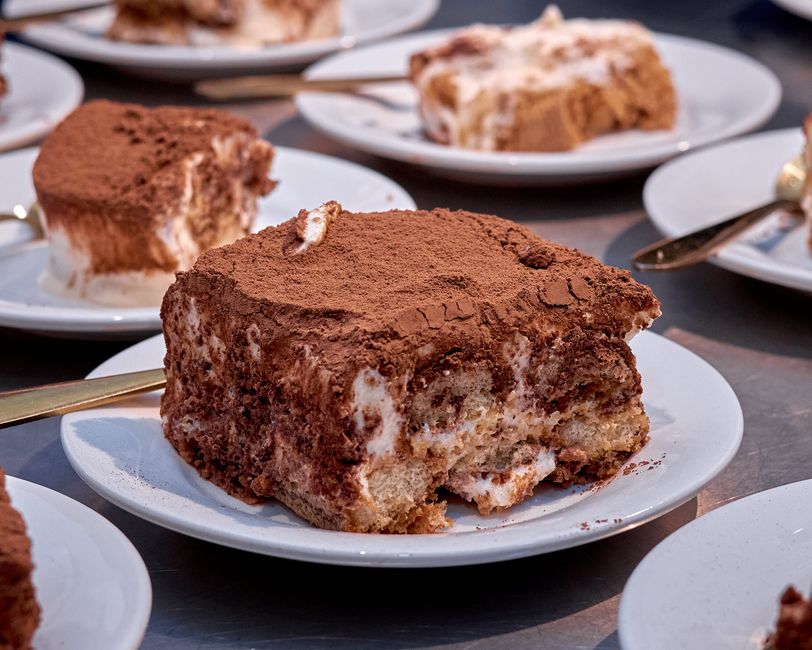
Tiramisu
A layered dessert of coffee-soaked savoiardi biscuits and a cream of mascarpone, eggs and sugar, dusted with cocoa. It was developed in the Veneto region, with Treviso commonly credited, in the 1960s or 1970s, and the name means pick me up. Every family has its own recipe. A portion costs about €5–8 in restaurants across Italy.
History
Etruscans, Greeks and the Rise of Rome
Before Rome dominated the Mediterranean, the Italian peninsula was home to many peoples. The Etruscans built rich cities in today's Tuscany and Lazio from the 9th century BC, leaving painted tombs at Tarquinia and Cerveteri that are now UNESCO sites. Greek colonists founded cities in the south and Sicily, such as Syracuse and Paestum, whose Doric temples still stand.
From city to republic
According to tradition, Rome was founded in 753 BC by Romulus. The Romans expelled their last king in 509 BC and created a republic governed by elected magistrates and the Senate. Over the next centuries Rome conquered the Italian peninsula, then defeated Carthage in the Punic Wars, gaining control of the western Mediterranean.
Roads and law
Rome built a network of paved roads, aqueducts and towns across Italy.
- The Via Appia, begun in 312 BC, still has original paving stones south of Rome.
- Roman law became the basis of many modern legal systems.
- Latin, the language of Rome, gave rise to Italian, Spanish, French, Portuguese and Romanian.
Walk the Via Appia Antica on a Sunday, when it is closed to traffic, to see tombs and catacombs along the ancient road.
Climate & Best Time to Visit
Spring
8–26°C
April to June is one of the best times to visit, with 18–26°C days in Rome and Florence, blooming wisteria and long even…
Summer
18–34°C
July and August are hot, with 30–35°C in Rome, Florence and the south, and heatwaves above 40°C have become more frequen…
Autumn
9–27°C
September and October are excellent, with warm seas, 20–27°C days and the grape and truffle harvests. Tuscany, Piedmont …
Winter
2–14°C
December to February is mild in the south, with 10–15°C in Rome and Sicily, but cold in the north and Alps, where skiing…
Fascinating Fun Facts
The country with the most UNESCO sites
Italy has 61 UNESCO World Heritage Sites, more than any other country in the world. They range from entire historic cent…
Two independent countries inside Italy
Italy completely surrounds two independent states. Vatican City, the smallest country in the world at about 0.44 square …
Europe's most active volcanoes
Italy has the only active volcanoes on mainland Europe and its islands. Mount Etna in Sicily, about 3,300 m high, is the…
Espresso is a quick stand-up ritual
In Italy, coffee is usually drunk quickly at the bar counter rather than at a table. An espresso, simply called un caffè…
Hundreds of pasta shapes
Italy has more than 300 recognised pasta shapes, each traditionally matched to particular sauces. Long pasta like spaghe…
The world's oldest university
The University of Bologna, founded in 1088, is widely considered the oldest university in continuous operation in the wo…
Traveler Reviews (0 reviews)
Sign in to leave a review and share your experience.
Sign InNo reviews yet. Be the first to share your experience!