Ireland
Updated October 19, 2026
Ireland, officially the Republic of Ireland, occupies about five-sixths of the island of Ireland, in the Atlantic Ocean west of Great Britain, with about 5.3 million people. It shares the island with Northern Ireland, part of the United Kingdom. Dublin, its capital, is known for Georgian architectur…
Must-See Places in Ireland

Trinity College and the Book of Kells
Ireland's oldest university, with the 9th-century illuminated Book of Kells and the Long Room library.
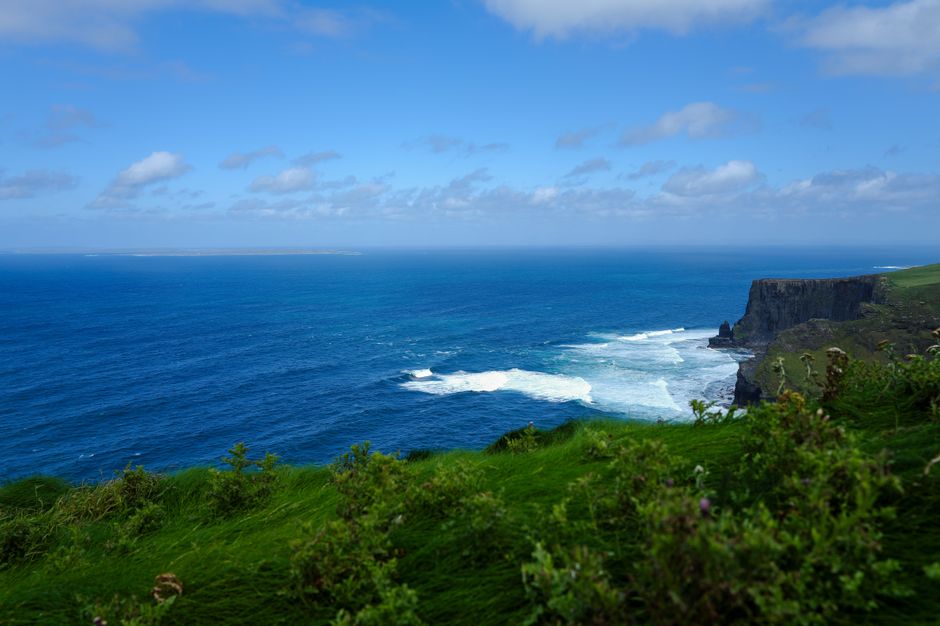
Cliffs of Moher
Sea cliffs rising about 214 m above the Atlantic, on the Clare coast, a day trip from Galway.
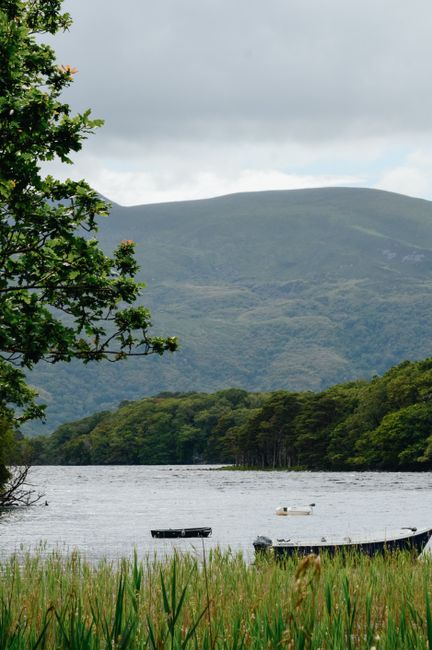
Killarney National Park
Lakes, mountains, waterfalls and Muckross House, at the start of the Ring of Kerry.

Slea Head Drive
A coastal loop around the Dingle Peninsula, with beaches, beehive huts and views of the Blasket Islands.
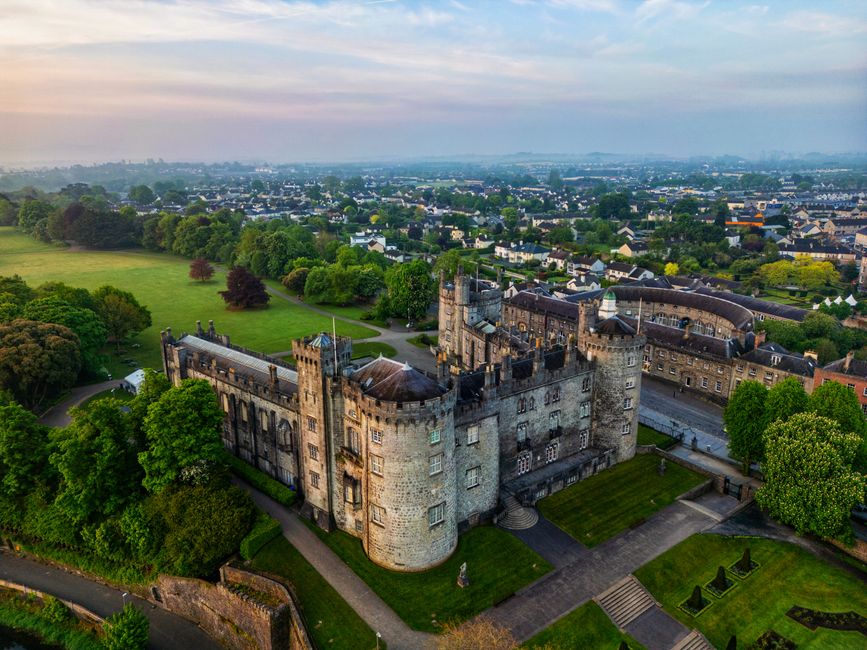
Kilkenny Castle
A Norman castle from the 12th century in Ireland's medieval capital.
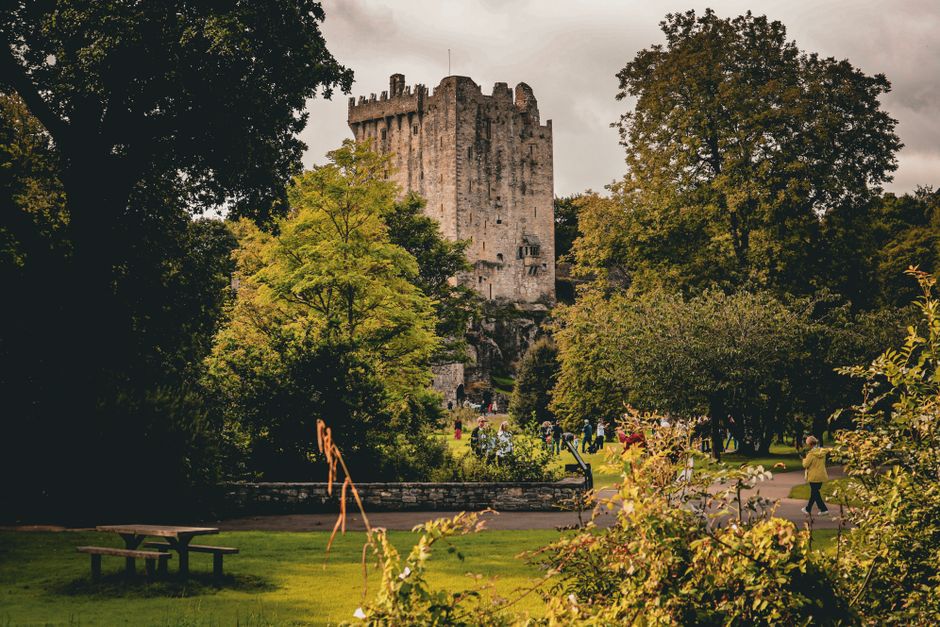
Blarney Castle
A medieval castle near Cork, home of the Blarney Stone, said to give the gift of eloquence.
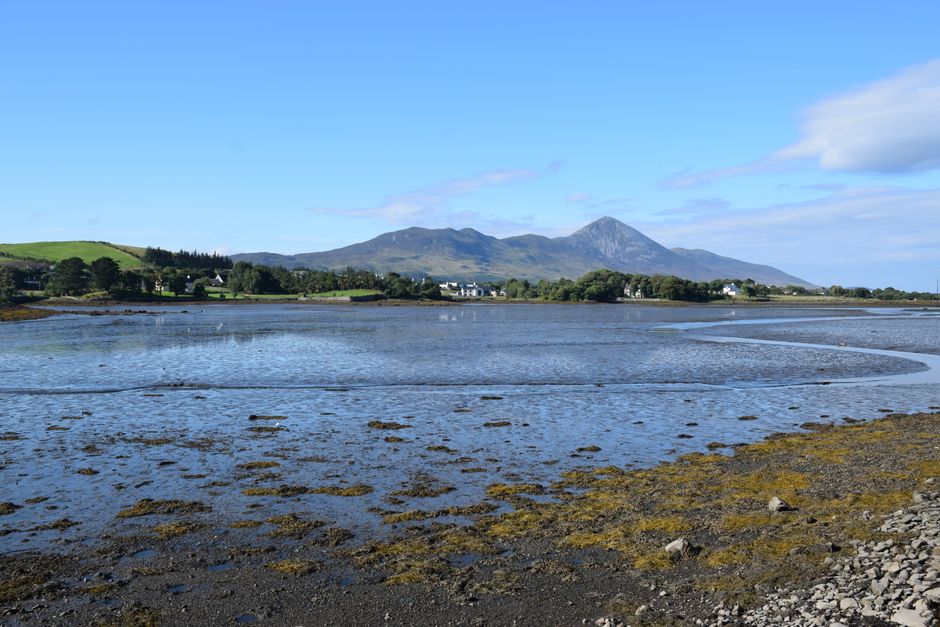
Croagh Patrick
Ireland's holy mountain, climbed by pilgrims, above Clew Bay near Westport.

Benbulben
A flat-topped mountain above Yeats Country, near Sligo.
Unique Experiences in Ireland
Drive the Wild Atlantic Way
Drive the Wild Atlantic Way, one of the longest coastal routes in the world, about 2,500 km from Donegal to Cork, past the Cliffs of Moher, the Burren, Connemara, the Dingle Peninsula and the Ring of Kerry.
Enjoy a Traditional Music Session
Join a traditional Irish music session, seisiún, in a pub, where musicians play fiddles, flutes, tin whistles, bodhráns and uilleann pipes, and locals sing and dance.
Visit Skellig Michael
Take a boat to Skellig Michael, a rocky island off the coast of Kerry, a UNESCO site, where monks lived from the 6th century in stone beehive huts, about 180 m above the sea, reached by about 600 steep steps.
Explore Ancient Sites
Visit Ireland's ancient sites, such as Newgrange, older than the pyramids, the Hill of Tara, the Rock of Cashel, Glendalough and Clonmacnoise, with round towers, high crosses and medieval ruins.
Watch Gaelic Games
Watch a hurling or Gaelic football match, Ireland's national sports, organised by the Gaelic Athletic Association, at Croke Park in Dublin or local grounds across the country.
Travel Tips for Ireland
Be Ready for Rain
Ireland's weather is mild but changeable, with rain possible on any day, even in summer, and several seasons in one day.…
Rent a Car to Explore the Countryside
Public transport connects the main cities, but a car is the best way to explore the Wild Atlantic Way, the Ring of Kerry…
Book Accommodation Early
Accommodation in Dublin, Galway, Killarney and Dingle is expensive and fills up quickly in summer and during festivals. …
Learn Pub Etiquette
Pubs are the centre of Irish social life. Order drinks at the bar, as table service is rare in traditional pubs, and pay…
Check Northern Ireland Rules
Northern Ireland, part of the United Kingdom, uses the pound sterling, and visitors from some countries need a UK Electr…
Use the Heritage Card and Leap Card
Buy an OPW Heritage Card, about €40, for free entry to many historic sites, such as Kilkenny Castle, the Rock of Cashel …
Must-Try Local Dishes

Irish Stew
Irish stew, the national dish, is a hearty stew of lamb or mutton, potatoes, onions and carrots, slowly cooked with herbs, such as thyme and parsley, a traditional farmhouse dish. Some versions add stout. A bowl costs about €15–22 in pubs. Try it in a traditional pub with a pint of Guinness on a cold day.
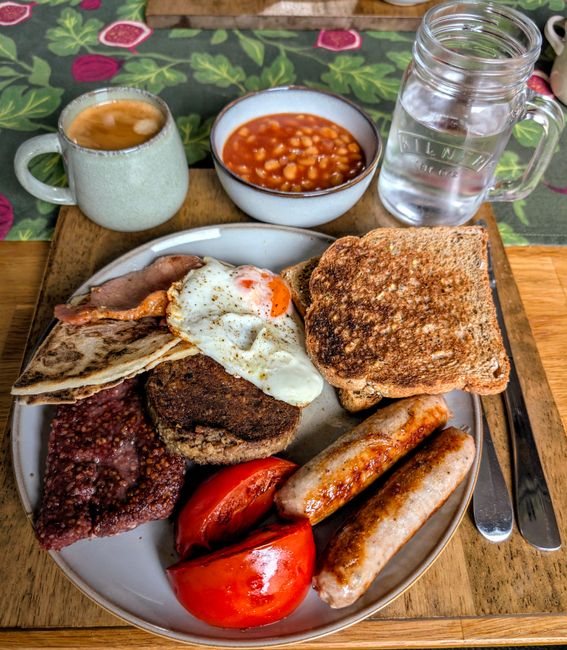
Full Irish Breakfast
The full Irish breakfast includes bacon rashers, sausages, black and white pudding, fried eggs, grilled tomatoes, mushrooms, baked beans and toast or soda bread, with tea. It is served in hotels, B&Bs and cafés. A full breakfast costs about €12–18. Try it at a B&B, where it is usually included in the price.
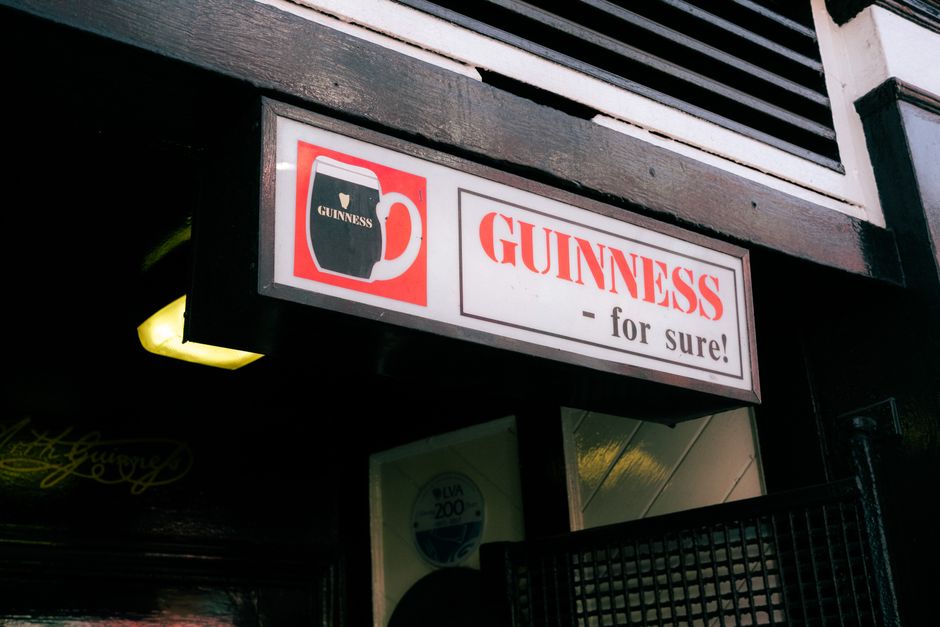
Guinness
Guinness, a dark stout brewed in Dublin at the St James's Gate brewery since 1759, is Ireland's most famous drink, poured slowly in two stages, taking about 119.5 seconds for the perfect pint. A pint costs about €5.50–8. Try it at the Guinness Storehouse in Dublin or in a traditional pub, where locals say it tastes best.

Seafood Chowder
Seafood chowder, a creamy soup of fish, mussels, prawns, potatoes and vegetables, served with brown soda bread and butter, is a staple of pubs and restaurants along the coast, especially on the Wild Atlantic Way. A bowl costs about €10–16. Try it in Dingle, Galway or Kinsale with fresh local seafood.

Soda Bread
Irish soda bread, made with flour, buttermilk, salt and baking soda instead of yeast, became popular in the 19th century, when bicarbonate of soda arrived. Brown soda bread, with wholemeal flour, is served with butter, soups and smoked salmon. A loaf costs about €3–5 in bakeries. Try it warm with Irish butter.
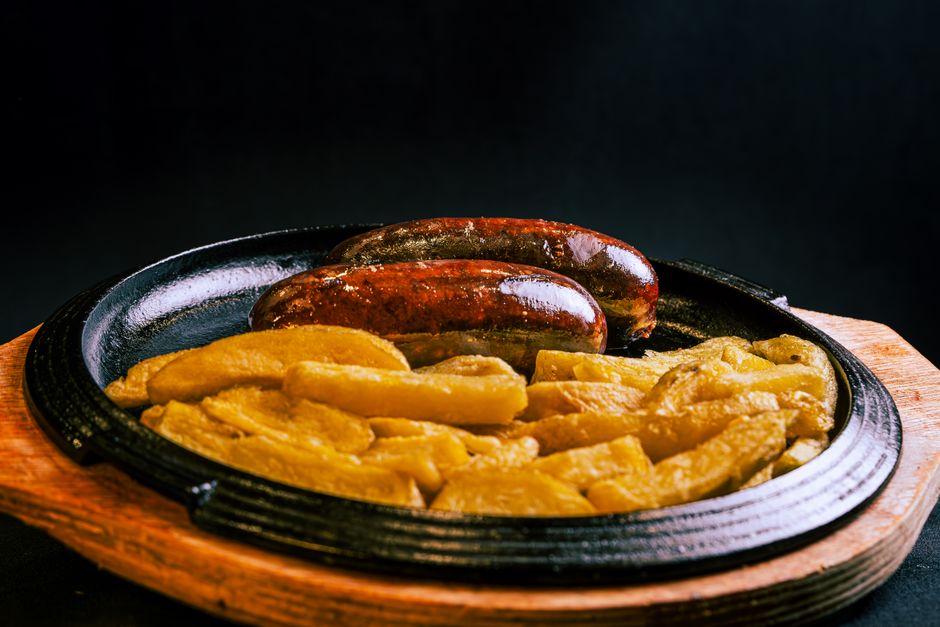
Coddle
Dublin coddle, a traditional dish of the capital, is a stew of sausages, bacon, potatoes and onions, slowly cooked in a pot, a simple, comforting meal from working-class Dublin. A portion costs about €14–20. Try it at a traditional pub in Dublin, such as The Brazen Head. It is served with soda bread.
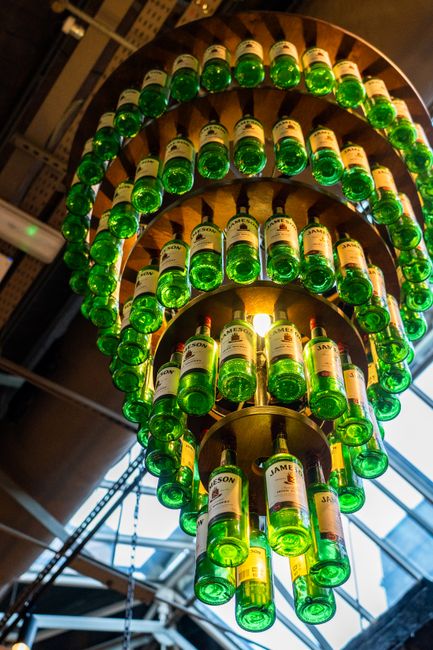
Irish Whiskey
Irish whiskey, usually triple-distilled and smooth, is made by distilleries such as Jameson, Bushmills, Teeling, Redbreast and Powers, and Ireland has about 40 distilleries today. The word whiskey comes from the Irish uisce beatha, water of life. A glass costs about €6–15. Take a distillery tour in Dublin or Midleton.

Boxty and Colcannon
Boxty, a potato pancake made with grated raw and mashed potatoes, and colcannon, mashed potatoes with cabbage or kale and butter, are traditional potato dishes, popular in the west and at Halloween. A portion costs about €10–18. Try boxty at Gallagher's Boxty House in Dublin's Temple Bar. Colcannon often hides a coin at Halloween.
History
Prehistoric Ireland and the Celts
The first people arrived in Ireland after the last Ice Age, about 10,000 years ago, as hunter-gatherers, and from about 4000 BC, Neolithic farmers cleared forests, built field systems, such as the Céide Fields in Mayo, and constructed great passage tombs, such as Newgrange, Knowth and Dowth in the Boyne Valley, built around 3200 BC. At Newgrange, the rising sun at the winter solstice shines through a roof box into the inner chamber for about 17 minutes. In the Bronze Age, from about 2500 BC, Ireland produced gold ornaments, such as torcs and lunulae, displayed in the National Museum.
Celtic Ireland
From about 500 BC, Celtic culture, language and art spread across Ireland, and the island was divided into many small kingdoms, ruled by kings, with druids, poets and judges, the brehons, who applied the Brehon laws. The Hill of Tara, in County Meath, was the seat of the High Kings of Ireland. The Romans never conquered Ireland, which they called Hibernia, so Celtic traditions survived longer than in Britain. Ogham, the earliest form of writing in Ireland, carved on standing stones, dates from about the 4th century. The great Irish legends, such as the Táin Bó Cúailnge and the stories of Fionn mac Cumhaill, come from this period.
Climate & Best Time to Visit
Spring
3–15°C
March to May is mild and changeable, with temperatures rising from about 10°C in March to 15–16°C in May, showers, sunny…
Summer
10–20°C
June to August is mild, with days of about 18–20°C, occasionally reaching 25°C, long daylight until about 22:00 and freq…
Autumn
5–17°C
September to November brings mild days of about 17°C in September, falling to about 10°C in November, colourful forests,…
Winter
2–9°C
December to February is cool, damp and windy, with days of about 8–9°C, short daylight, about eight hours in December, a…
Fascinating Fun Facts
Older than the pyramids
Newgrange, a passage tomb in the Boyne Valley, built around 3200 BC, is older than Stonehenge and the Great Pyramid of G…
The harp as a national symbol
Ireland is the only country with a musical instrument, the harp, as its national emblem, appearing on coins, passports a…
A country of writers
Ireland has produced four Nobel Prize winners in Literature, W. B. Yeats, George Bernard Shaw, Samuel Beckett and Seamus…
Halloween began in Ireland
Halloween originated from Samhain, an ancient Celtic festival marking the end of the harvest and the beginning of winter…
No snakes in Ireland
According to legend, Saint Patrick drove all the snakes out of Ireland, chasing them into the sea after they attacked hi…
A sport played with sticks and a small ball
Hurling, an ancient Gaelic sport, played for about 3,000 years, is one of the fastest field sports in the world, in whic…
Traveler Reviews (0 reviews)
Sign in to leave a review and share your experience.
Sign InNo reviews yet. Be the first to share your experience!