New Orleans
Updated October 19, 2026
Also known as: NOLA, The Big Easy, The Crescent City
Main Landmarks in New Orleans

City Park and New Orleans Museum of Art
City Park covers about 520 ha in the Mid-City area, one of the largest urban parks in the United States, and is home to one of the largest groves of mature live oaks in the world, some more than 600 years old. Inside, the New Orleans Museum of Art (NOMA) displays French, American and African art, and the free Sydney and Walda Besthoff Sculpture Garden has more than 90 works among lagoons and trees. Café du Monde has a branch in the park. In December, Celebration in the Oaks fills the park with light displays. The Canal Street streetcar reaches the park entrance.

French Quarter and Jackson Square
The French Quarter, or Vieux Carré, founded in 1718, is the oldest neighbourhood in New Orleans, with streets of Creole cottages, courtyards and iron-lace balconies. Jackson Square, a former parade ground, is surrounded by artists, street performers and fortune tellers. St. Louis Cathedral, rebuilt in 1850 and one of the oldest cathedrals in the United States, rises above the square, flanked by the Cabildo, where the Louisiana Purchase was signed, and the Presbytère, now museums. Royal Street has antique shops and galleries, while Bourbon Street is famous for nightlife. Walking tours cost about $25–40. Visit early in the morning for the quietest streets.
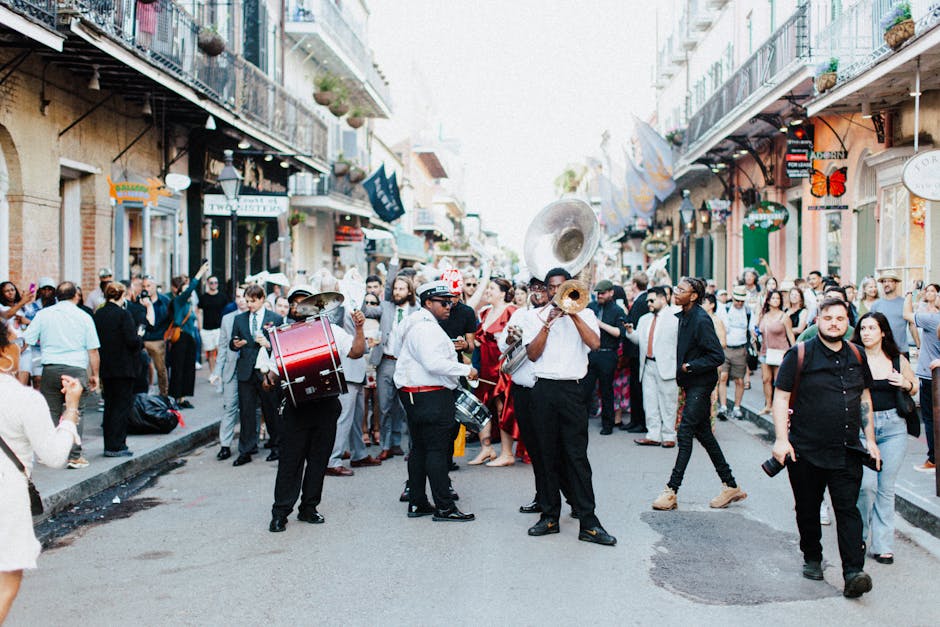
Frenchmen Street
Frenchmen Street, in the Marigny neighbourhood just east of the French Quarter, is where locals go to hear live music. Within three blocks, clubs such as The Spotted Cat, d.b.a., Snug Harbor and Blue Nile host jazz, brass bands, blues and funk every night. Many venues have no cover charge, but a one-drink minimum is common, and musicians appreciate tips. The Frenchmen Art Market opens in the evenings, Thursday to Sunday, with local crafts and prints. The street is calmer and more authentic than Bourbon Street. Go after 20:00, when bands start playing and the street fills with dancers.

The National WWII Museum
The National WWII Museum, opened in 2000 as the D-Day Museum and later designated by Congress as America's national museum of the war, tells the story of the conflict through personal accounts, aircraft, tanks and immersive exhibits. It is often ranked among the best museums in the United States. Highlights include the US Freedom Pavilion with bombers hanging from the ceiling and Beyond All Boundaries, a 4D film narrated by Tom Hanks. It is in New Orleans because the city built the Higgins boats used on D-Day. Admission costs about $35–40. Allow at least four hours, or buy a two-day ticket.

Garden District and St. Charles Avenue
The Garden District, developed in the 1830s by wealthy Americans who chose to live apart from the Creole French Quarter, is filled with grand Greek Revival and Italianate mansions, gardens and oak-lined streets. Notable houses include the Brevard–Rice house, once owned by novelist Anne Rice, and Commander's Palace, a restaurant open since 1893 and famous for its 25-cent martini lunch. Lafayette Cemetery No. 1, from 1833, has been closed for restoration. Ride the St. Charles streetcar for $1.25 to get there and continue to Audubon Park. Guided walking tours cost about $25–35. Respect residents' privacy, as the houses are homes.
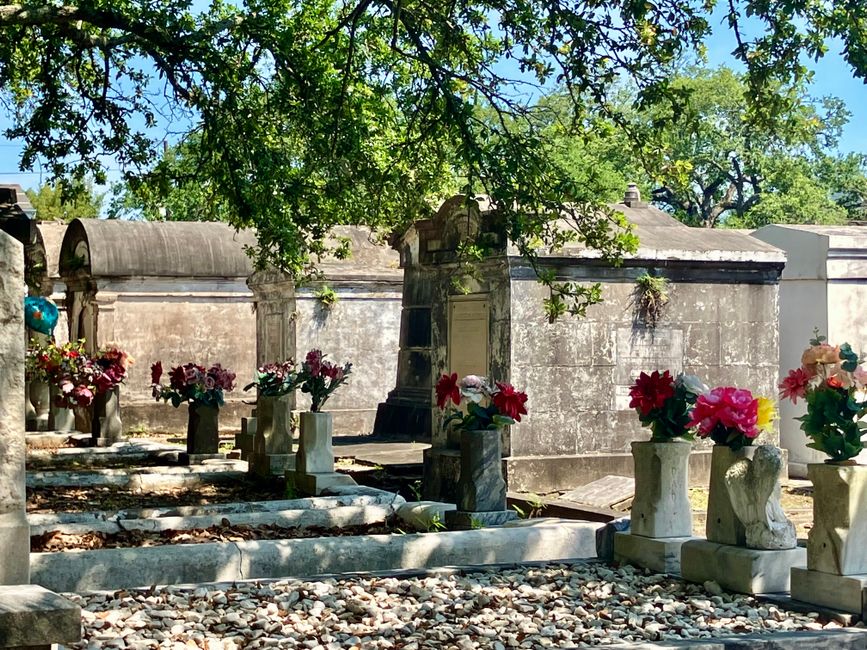
St. Louis Cemetery No. 1
St. Louis Cemetery No. 1, founded in 1789 just outside the French Quarter, is the oldest surviving cemetery in New Orleans and a classic example of the city's above-ground tombs. It holds the tomb of Voodoo priestess Marie Laveau, still visited by people who leave offerings, as well as the graves of Homer Plessy, of the Plessy v. Ferguson case, and early city leaders. To protect the tombs from vandalism, visitors may only enter with an authorised tour, which costs about $25 and lasts about an hour. Tours run daily except Sundays and some holidays. Book online in advance.
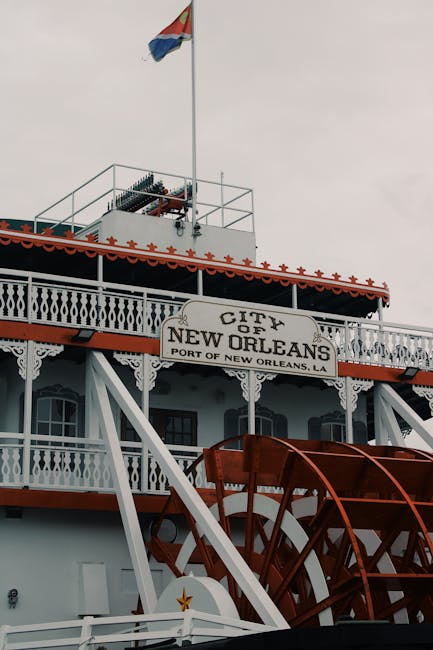
Mississippi Riverfront and Steamboat Natchez
The riverfront along the French Quarter offers views of the wide Mississippi River, ships and the Crescent City Connection bridges. The Moonwalk promenade and Woldenberg Park are popular places to watch the sunset. The Steamboat Natchez, a sternwheel paddle steamer built in 1975 in the style of 19th-century boats, offers two-hour harbour cruises with live jazz and a steam calliope for about $45–55, or dinner cruises for more. The Algiers ferry crosses the river for $2, offering skyline views and access to the quiet historic Algiers Point neighbourhood. The French Market, operating since 1791, is nearby.
Whitney Plantation
Whitney Plantation, about an hour west of New Orleans along the River Road, is the only plantation museum in Louisiana focused entirely on the lives of enslaved people. Opened as a museum in 2014, it uses memorials, original buildings, slave cabins and first-person testimonies collected in the 1930s to tell their story. The Wall of Honor lists the names of thousands of people enslaved in Louisiana. Guided tours cost about $28–30 and last about 90 minutes. Many travellers combine it with Oak Alley Plantation, known for its alley of 28 live oaks. Book a tour from New Orleans if you do not have a car.
History
French colonists led by Jean-Baptiste Le Moyne de Bienville founded New Orleans in 1718 on a bend of the Mississippi River, naming it after the Duke of Orléans. The site was chosen because a portage linked the river to Lake Pontchartrain, a route long used by the Chitimacha and other Native peoples. Spain took control in 1763, and two great fires in 1788 and 1794 destroyed much of the old town, so most buildings in today's French Quarter are actually Spanish colonial in style. France briefly regained the colony and sold it to the United States in the Louisiana Purchase of 1803. In January 1815 Andrew Jackson defeated the British at the Battle of New Orleans. The port grew rich on cotton and sugar, and the city held one of the largest slave markets in the country, while also having a large community of free people of colour. Jazz was born here in the early 20th century. In August 2005 Hurricane Katrina caused levee failures that flooded about 80% of the city and killed more than 1,300 people in Louisiana. Today about 360,000 people live in the city, which continues to rebuild and celebrate its culture.
Culture
New Orleans has a culture unlike any other American city, shaped by French, Spanish, African, Caribbean, Native American, Irish, German and Italian influences. Creole and Cajun traditions define its food, language and music. Jazz was born here from blues, ragtime, brass bands and spirituals, with Louis Armstrong as its most famous son, and live music still plays every night on Frenchmen Street. Mardi Gras, celebrated for weeks before Lent, fills the streets with parades, costumes and thrown beads, organised by social clubs called krewes. Mardi Gras Indians, Black communities who sew elaborate beaded suits, honour Native Americans who helped people escape slavery. Second line parades, led by brass bands, accompany weddings, funerals and Sunday social clubs. Catholic traditions remain strong, and the city has a famous connection to Voodoo through figures such as Marie Laveau. Locals greet strangers warmly, and the motto laissez les bons temps rouler, let the good times roll, sums up the relaxed attitude.
Climate
Spring
13–29°C
March to May is the best season, with warm 22–29°C days, blooming azaleas and low humidity early in the season. It is al…
Summer
23–34°C
June to August is hot and very humid, with 32–34°C days, heat indexes above 40°C and almost daily afternoon thunderstorm…
Autumn
12–28°C
September is still hot and at the peak of hurricane season, but October and November bring pleasant 20–28°C days and low…
Winter
7–18°C
December to February is mild, with 15–18°C days, cool nights near 7°C and occasional cold snaps close to freezing. Decem…
Fun Facts
The French Quarter is mostly Spanish in style
Despite its name, most buildings in the French Quarter were built under Spanish rule or later. Great fires in 1788 and 1…
Most of the city lies below sea level
About half of New Orleans lies below sea level, in some places by more than 2 m, surrounded by the Mississippi River, La…
The dead are buried above ground
Because of the high water table, New Orleans cemeteries use above-ground tombs, earning them the name cities of the dead…
Mardi Gras beads can fill sewers
Parade riders throw millions of plastic bead necklaces each Carnival season, and many end up in drains. In 2018 city wor…
The cocktail capital of America
New Orleans claims several classic cocktails, including the Sazerac, made with rye whiskey, Peychaud's bitters and absin…
The streetcar line is one of the oldest in the world
The St. Charles Avenue streetcar line began operating in 1835 as a steam railway and is often described as the oldest co…
Local Cuisine in New Orleans
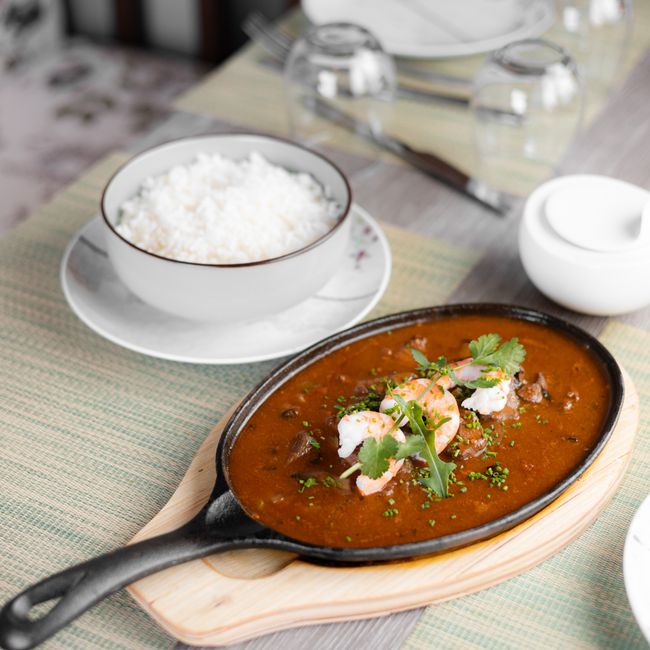
Jambalaya
A one-pot rice dish cooked with chicken, andouille sausage and sometimes shrimp, seasoned with the holy trinity, garlic and Cajun or Creole spices. Creole jambalaya, typical of the city, is red with tomatoes, while Cajun jambalaya from the countryside is brown. It is related to Spanish paella. A plate costs about $14–20 in restaurants.
Gumbo
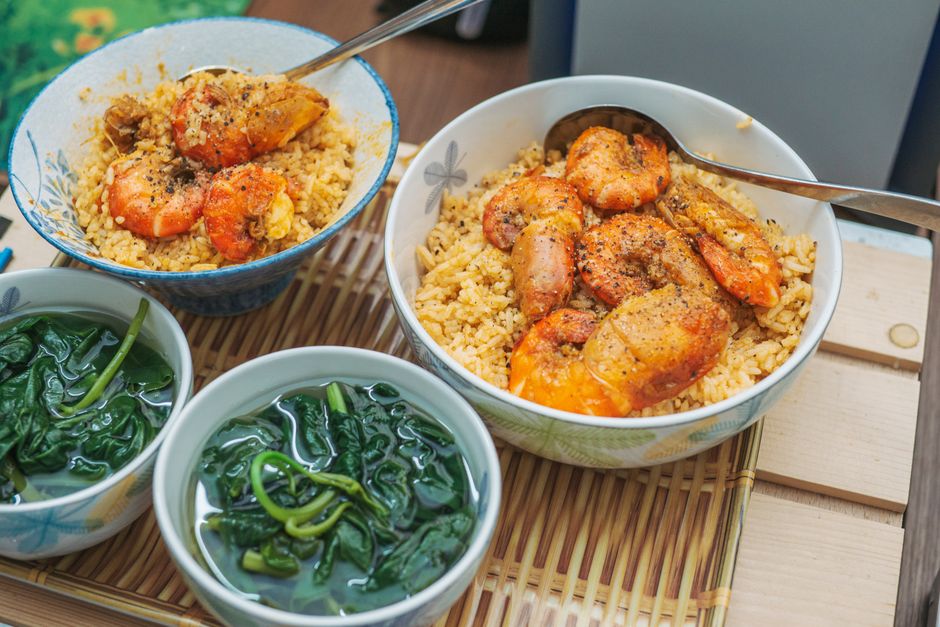
A thick stew built on a dark roux of flour and fat, with the holy trinity of onion, celery and bell pepper, plus chicken and andouille sausage or seafood such as shrimp, crab and oysters. It is thickened with okra or filé powder made from sassafras leaves and served over rice. Gumbo reflects French, African and Native roots. A bowl costs about $10–18.
Beignets
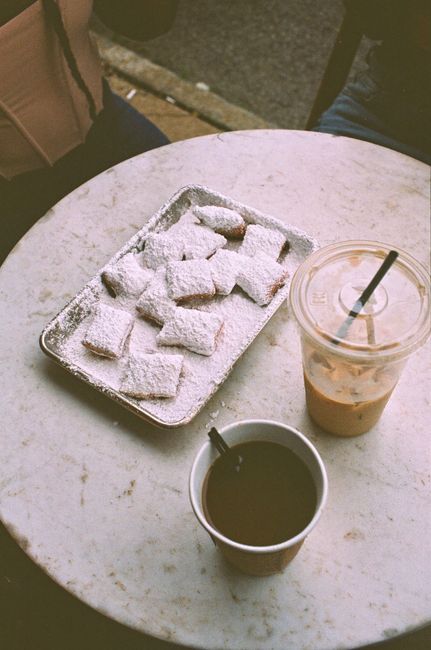
Square pillows of fried dough buried under powdered sugar, served hot in threes with café au lait made with chicory coffee. Café du Monde, open 24 hours a day for much of its history in the French Market since 1862, is the most famous place to try them. An order of three costs about $4–5. Wear dark clothes at your own risk, as the sugar goes everywhere.
Po' boy
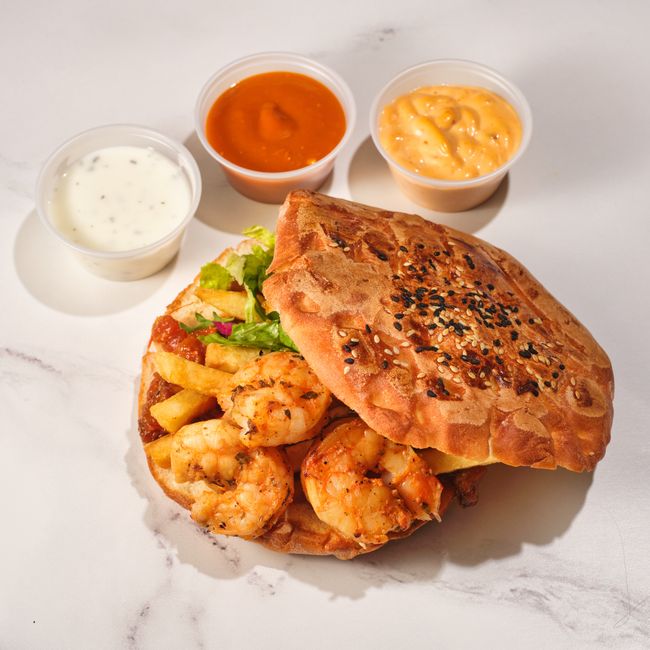
A sandwich on light, crispy New Orleans French bread, filled with fried shrimp, oysters or catfish, or roast beef with gravy, dressed with lettuce, tomato, pickles and mayonnaise. The name comes from 1929, when the Martin brothers fed striking streetcar workers for free. Parkway Bakery and Domilise's are classic spots. A po' boy costs about $12–20.
Muffuletta
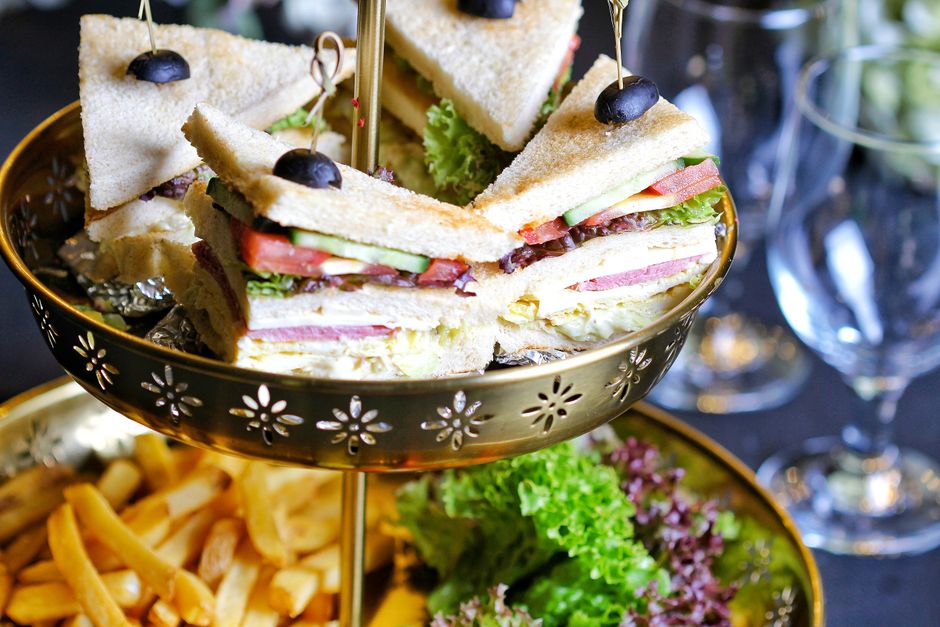
A large round sesame bread sandwich filled with layers of salami, ham, mortadella, provolone and Swiss cheese, topped with a chopped olive salad. It was created by Sicilian immigrants at Central Grocery in the French Quarter in 1906. A whole muffuletta, about 25 cm across, feeds two to four people and costs about $25–30, while a half costs about $15.

Crawfish boil
Live crawfish boiled in large pots with spicy seasoning, corn, potatoes, garlic and sausage, then poured onto tables covered in newspaper and eaten with the hands. Peel the tail, eat the meat and suck the head for the spicy juices. The season runs from about January to June, peaking in spring. A kilogram costs about $15–25 depending on the season.
Practical Travel Information
Transport & Accessibility
International Transport
Louis Armstrong New Orleans International Airport (MSY), about 25 km west of the French Quarter, has a modern terminal opened in 2019 and direct flights to most major US cities, plus some flights to Canada, Mexico, the Caribbean and Europe. Amtrak trains from New Orleans Union Passenger Terminal connect to Chicago on the City of New Orleans, to New York via Atlanta on the Crescent, and to Los Angeles on the Sunset Limited. Cruise ships depart from the Port of New Orleans to the Caribbean and Mexico. Long-distance buses link the city to Houston, Baton Rouge and Atlanta.
Local Transport
The New Orleans Regional Transit Authority runs streetcars and buses for $1.25 per ride, with Jazzy Passes for unlimited travel costing about $3 for one day or $8 for three days, available through the Le Pass app. The St. Charles line goes through the Garden District, the Canal Street line reaches City Park, and the Riverfront line runs along the river. The French Quarter is best explored on foot. Blue Bikes bike-share stations are found across the centre. Taxis and ride-hailing are easy to find. Parking in the French Quarter costs about $20–50 per day.
Safety & Health
Personal Safety
New Orleans has a high crime rate compared with many US cities, but most incidents occur away from tourist areas. In the French Quarter, Garden District and Marigny, stay on busy, well-lit streets at night and avoid empty side streets and dark areas, especially when walking alone. Watch your belongings on crowded Bourbon Street and during Mardi Gras, when pickpocketing is common. Be wary of street hustlers who bet that they know where you got your shoes. Do not leave valuables in cars. Drink responsibly and use taxis or ride-hailing late at night. In an emergency, call 911.
Medical Services
New Orleans has good hospitals, including University Medical Center New Orleans, a Level I trauma centre, Tulane Medical Center and Ochsner Medical Center, all with 24-hour emergency departments. Healthcare is very expensive without insurance, so travel insurance with medical cover is essential. Urgent care clinics treat minor issues for about $150–250. Pharmacies such as Walgreens and CVS are easy to find. Tap water is safe to drink. In summer, heat and humidity can cause heat exhaustion, so drink water often, rest in the shade and avoid long walks in the afternoon.
Budget & Costs
Travel Costs
New Orleans is moderately priced compared with other major US cities, except during Mardi Gras and Jazz Fest. A hostel bed costs $30–60, a mid-range hotel $150–280 and a luxury hotel from $350, plus taxes of about 16% and nightly fees. Beignets cost $4–5, a po' boy $12–20, a bowl of gumbo $10–18 and dinner at a mid-range Creole restaurant $40–70 per person. A cocktail costs $10–16, a streetcar ride $1.25, the WWII Museum about $35–40 and a swamp tour $40–90. A mid-range traveller should budget $200–320 per day.
Budget Tips
Visit in summer or early December for the lowest hotel prices, and avoid Mardi Gras, Jazz Fest and major conventions. Use the streetcars and buses with a Jazzy Pass instead of taxis. Eat po' boys, red beans and rice on Mondays and other classics at neighbourhood spots. Look for happy hours, oyster specials and Commander's Palace's 25-cent martini lunch. Enjoy free live music on the street, Jackson Square performers, the riverfront and the Besthoff Sculpture Garden. Many festivals, including French Quarter Festival, are free to attend.
Culture & Traditions
Social Norms
New Orleanians are friendly and talkative, often greeting strangers on the street and calling people baby or darlin'. Ask locals where they went to school, meaning high school, a common conversation starter. Tipping street musicians and parade bands is appreciated, and 18–22% is expected in restaurants. During Mardi Gras parades, families with children line St. Charles Avenue, so behaviour there is family-friendly, unlike parts of Bourbon Street. Respect second line parades and join in from the side. Dress is casual, but some old Creole restaurants, such as Galatoire's and Antoine's, require jackets for men.
Cultural Activities
Listen to live jazz at Preservation Hall, a small room in the French Quarter dedicated to traditional New Orleans jazz since 1961, and on Frenchmen Street. Join a Sunday second line parade, catch beads at Mardi Gras parades and see Mardi Gras Indians on St. Joseph's Night in March. Visit the Backstreet Cultural Museum in Tremé and the New Orleans Jazz Museum in the Old U.S. Mint. Take a Creole cooking class, try a ghost tour of the French Quarter and attend Jazz Fest or the free French Quarter Festival in spring.
Unique Experiences in New Orleans
Experience Mardi Gras by watching parades along St. Charles Avenue, catching beads and decorated throws, and seeing marching bands and masked riders on huge floats. Parades run for about two weeks before Fat Tuesday. Bring a ladder seat or stand along the route early to find a good spot.
Join a second line, a street parade led by a brass band and a social aid and pleasure club, held on most Sundays from autumn to spring. Anyone can dance along behind the band. Check the WWOZ radio website for the weekly schedule, and wear comfortable shoes, as routes can cover several kilometres.
Take a swamp tour in the bayous outside the city by flat boat or airboat to see alligators, herons, turtles and cypress trees draped with Spanish moss. Tours cost about $40–90 with transport from the city and last two to four hours. Go between April and October, when alligators are most active.
Take a Creole and Cajun cooking class at the New Orleans School of Cooking or similar venues, where chefs teach how to make roux, gumbo, jambalaya and pralines while telling the history of the dishes. Classes cost about $50–180 and include a meal. Book ahead for hands-on classes.
Listen to an acoustic set at Preservation Hall, an intimate hall in the French Quarter where traditional jazz has been played since 1961. Shows last about 45 minutes and cost about $25–50, with priority seats more expensive. Book tickets online in advance, as the small room sells out every night.
Travel Recommendations for New Orleans
Ride the St. Charles streetcar from Canal Street to the Garden District and Audubon Park. A ride costs $1.25, and the ro…
Eat like a local. Try gumbo, po' boys, jambalaya and red beans and rice on Mondays, beignets at Café du Monde or Café Be…
Plan your trip around festivals or avoid them depending on your budget. Mardi Gras and Jazz Fest are the highlights of t…
Stay safe at night by keeping to busy, well-lit streets and taking taxis or ride-hailing back to your hotel. Do not leav…
Go beyond Bourbon Street. Frenchmen Street has better live music, the Garden District has historic mansions, Tremé is th…